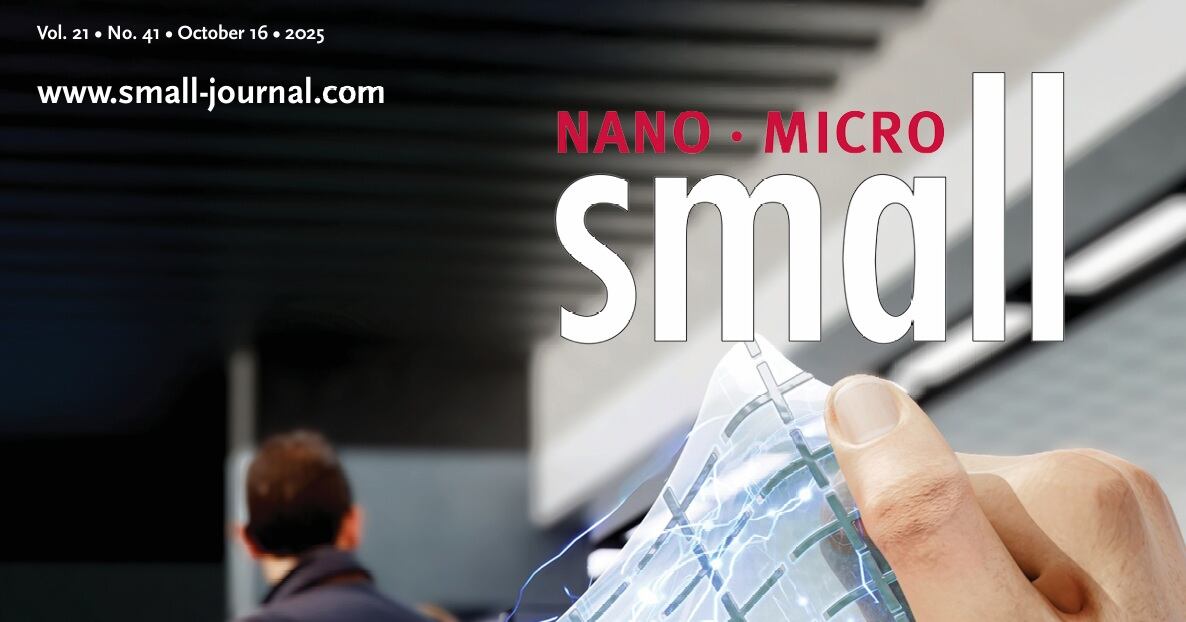
KAIST researchers have developed a stretchable liquid-metal ink that can be used to create flexible electromagnetic cloaks, improving conformability for wearable or deformable shielding and stealth applications. The advance has potential downstream implications for defense, telecommunications and advanced materials products and IP commercialization, but it appears to be an early-stage technical development with limited immediate commercial or market impact.
Market structure: KAIST's stretchable liquid-metal ink creates upstream winners in specialty materials (indium/gallium suppliers, Materion MTRN; chemical firms like DuPont DD) and downstream winners in defense primes and printed-electronics OEMs (Nano Dimension NNDM, specialty contractors). Initial revenue will be licensing/R&D rather than volume sales — expect modest pricing power and margin expansion concentrated in niche suppliers for 12–36 months, not broad consumer electronics disruption.
Risk assessment: Tail risks include failure to scale (manufacturing, durability), export controls or military bans, and raw‑material shocks (indium/gallium). Immediate market impact is negligible (days); watch for partnership/contract announcements in 3–12 months; commercial defense adoption and supply-chain scale likely 12–48 months. Hidden dependency: indium/gallium supply concentration — a >10% spot-price move would materially change economics and supplier margins.
Trade implications: Favor 6–24 month tactical exposure to defense primes and specialty‑materials names while keeping size small and event-driven. Use asymmetric option structures for upside capture (LEAPs/call spreads) on speculative printed-electronics plays and buy shares with tight stops for materials suppliers; avoid large cap consumer hardware reallocations until pilot deployments are announced. Cross-asset: a sustained defense tech cycle would modestly lift USD and raise long-term yields if it signals higher defense spend; watch 10y yield +20–30bp on significant contract flow.
Contrarian angles: The market may overprice near-term commercialization — academic novelty rarely converts to mass deployment quickly; conversely, IP/friction could create small, highly profitable oligopolies (licensing) that benefit specialists more than primes. If export controls tighten, domestic suppliers (US-listed MTRN, DD) could outperform global conglomerates; monitor patent grants and government procurement RFPs as binary catalysts in 3–12 months.
AI-powered research, real-time alerts, and portfolio analytics for institutional investors.
Request DemoOverall Sentiment
neutral
Sentiment Score
0.10
