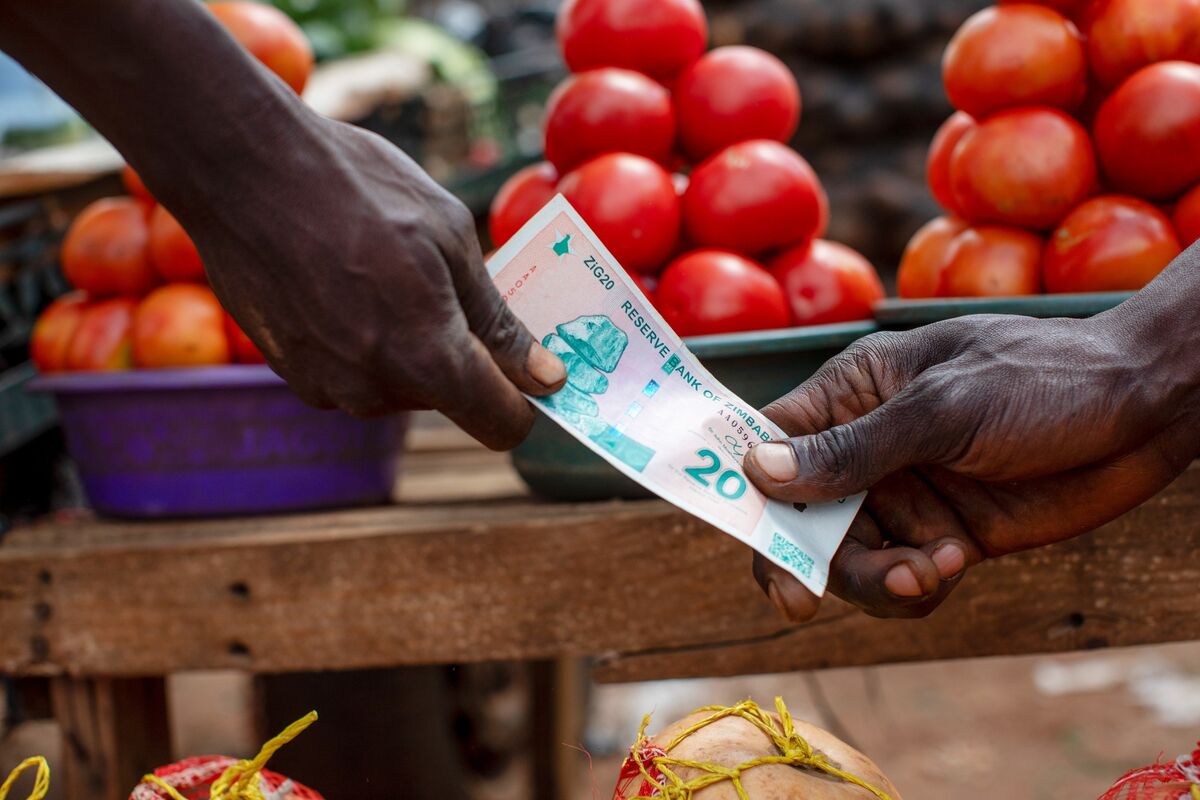
Zimbabwe's central bank has outlined plans to establish the gold-backed ZiG as the nation's sole currency by 2030, aiming to abandon the use of US dollars in transactions. This initiative marks the country's sixth attempt at a mono-currency system, following five previous failures, underscoring the significant historical challenges in achieving currency stability within the southern African nation.
Zimbabwe's central bank has established a long-term strategic objective to make its new gold-backed currency, the ZiG, the nation's sole legal tender by 2030. This ambitious plan, which involves the complete phasing out of the US dollar for domestic transactions, represents the country's sixth attempt to institute a stable mono-currency system. The ZiG was launched in April 2024, and its success is contingent on overcoming substantial historical precedent, as five previous currency reforms have failed. The extended timeline to 2030 underscores the authorities' awareness of the significant challenges ahead, while the history of policy failure injects a high degree of execution risk and uncertainty into the outlook for the nation's monetary stability.
AI-powered research, real-time alerts, and portfolio analytics for institutional investors.
Request DemoOverall Sentiment
mixed
Sentiment Score
-0.10
