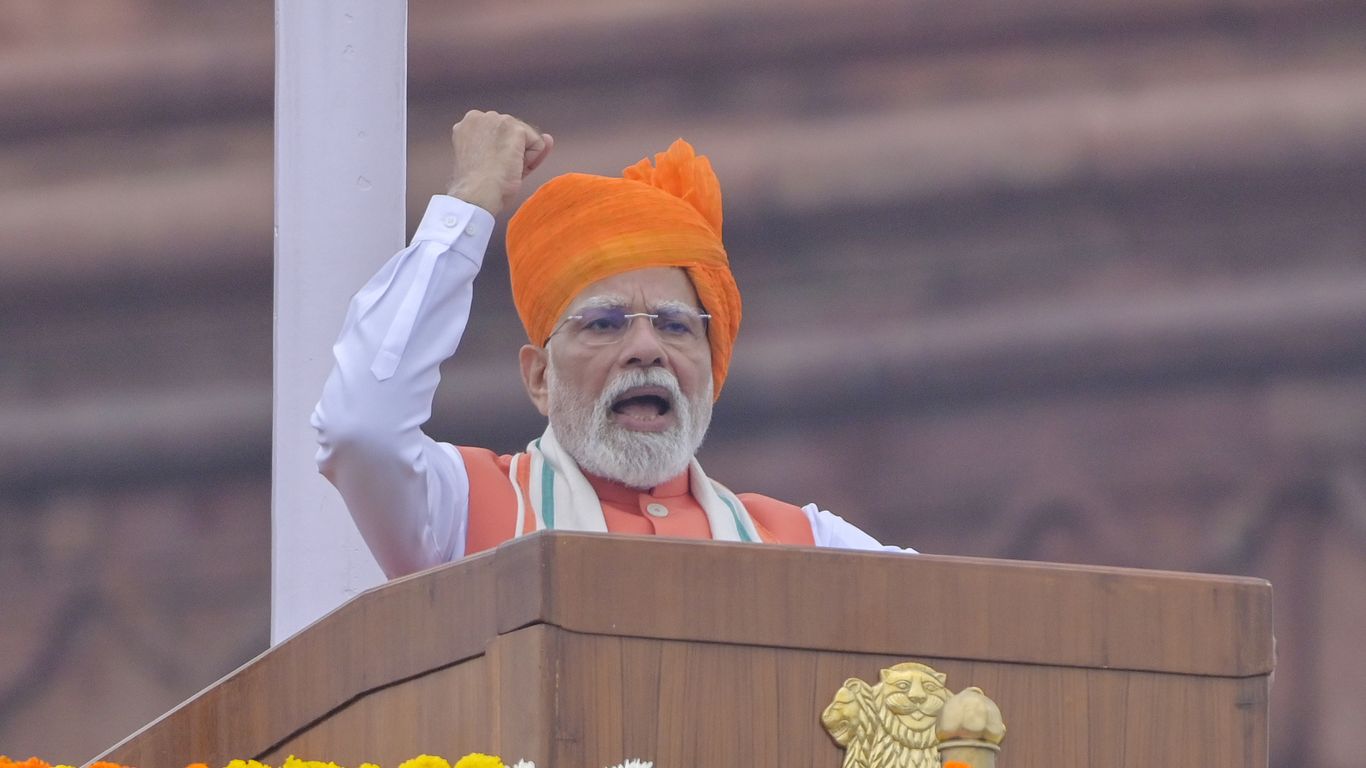
The U.S. imposed 50% tariffs on India, effective Wednesday, citing India's Russian oil purchases. These tariffs, doubling from 25% and now among the highest globally and in Asia, took effect despite India being a long-standing U.S. ally and following the cancellation of scheduled trade talks. In response, Indian Prime Minister Modi urged citizens to prioritize domestically made products, promoting self-reliance. This development signals escalating trade tensions and potential implications for global energy markets and supply chain diversification.
The imposition of a 50% U.S. tariff on India, a substantial increase from the previous 25%, marks a significant escalation in trade tensions driven by India's procurement of Russian oil. This measure places India under one of the highest tariff regimes imposed by the Trump administration, notably the highest in Asia, signaling a serious strain in the relationship with a long-standing ally. The concurrent cancellation of scheduled trade talks between U.S. and Indian officials suggests a diplomatic impasse, reducing the likelihood of a near-term resolution. In response, Indian Prime Minister Modi's call for citizens to embrace a 'made in India' mantra represents a strategic pivot towards economic nationalism and self-reliance. This defensive posture aims to bolster domestic industry against external pressures but also indicates a hardening of India's position, potentially leading to a prolonged period of trade friction and forcing a re-evaluation of supply chain dependencies for businesses operating in the U.S.-India corridor.
AI-powered research, real-time alerts, and portfolio analytics for institutional investors.
Request DemoOverall Sentiment
strongly negative
Sentiment Score
-0.60
