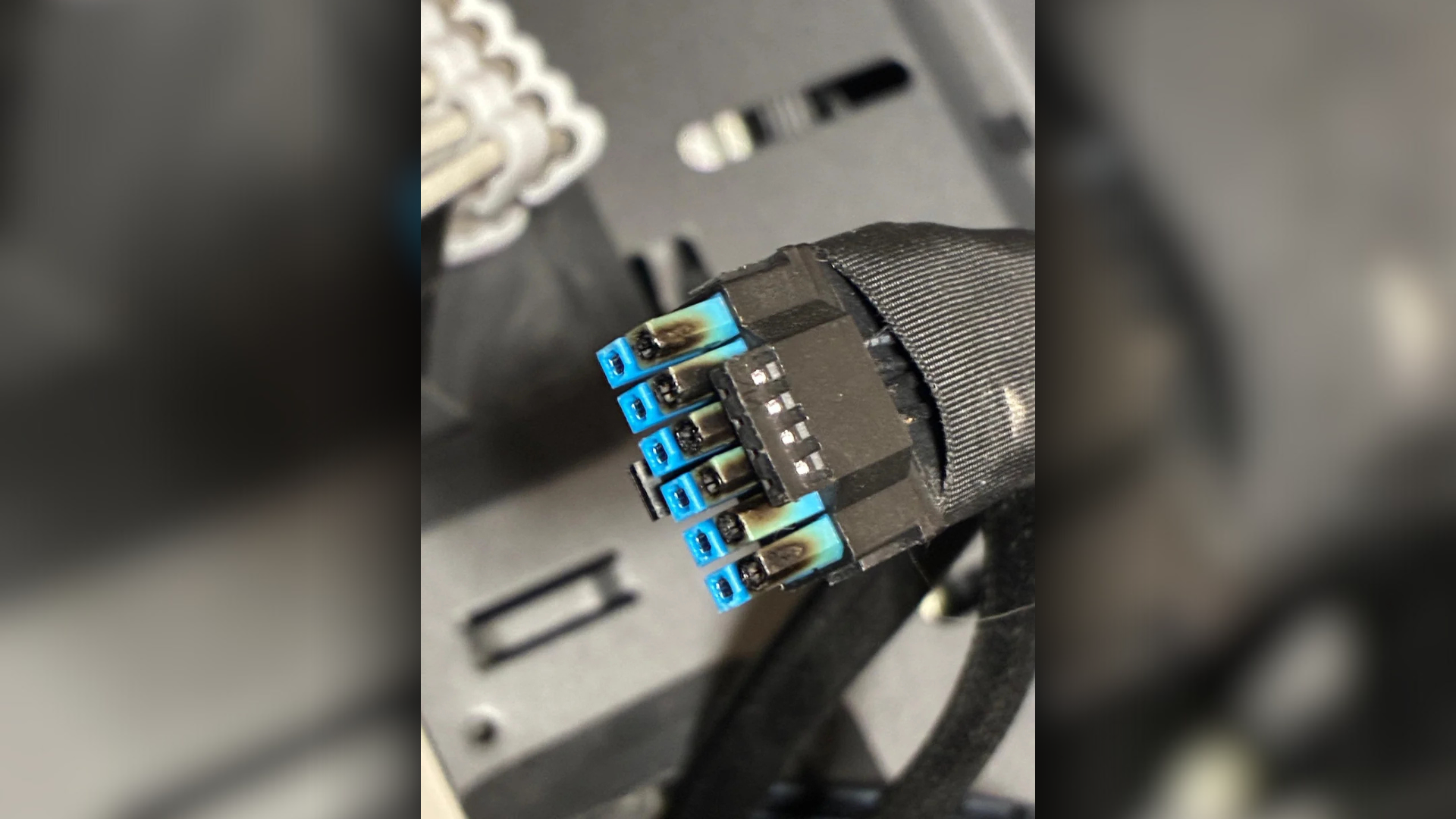
Multiple independent incidents have emerged of 16-pin 12V-2x6 (HPWR) GPU power connectors scorching on AMD Radeon RX 9070 XT cards (notably Sapphire Nitro+), with the top row of pins repeatedly burning despite the connector being rated up to 600W; the RX 9070 XT has a stated 304W TGP. This is the fifth reported RX 9070 XT-related connector failure and follows prior similar failures on other vendors' cards, raising concerns about connector design, manufacturing quality, cable/adapter use and global shipping-related corrosion. For investors, the story signals potential warranty/RMA costs, reputational risk for board partners and AMD/Nvidia ecosystem suppliers, and a product-safety issue that could prompt recalls, design revisions or increased scrutiny of supply-chain and connector suppliers.
Market structure: Immediate losers are AIB SKUs that adopted the 16-pin 12V-2x6 (Sapphire, ASRock) — expect localized share loss to rivals using triple 8-pin layouts (Gigabyte/MSI) and higher warranty/return rates for affected SKUs over the next 1–3 quarters. Connector and PSU ecosystem winners include reputable connector makers and test/QA vendors (Amphenol/TE-like exposure) as OEMs revise specs; net demand for GPUs is unlikely to collapse but product mix and AIB margin per card can shift by ~0.5–2% of revenue in the near term.
Risk assessment: Tail risks include a coordinated recall or class-action that could force OEM warranty provisions of $200–700M industry-wide (low probability, high impact) and regulatory scrutiny of ATX 3.1/PCIe power standards over 3–12 months. Immediate (days) risk: headline-driven 3–8% intraday swings in AMD/NVDA; short-term (weeks/months): elevated implied volatility and discrete warranty hits; long-term (quarters) risk: BOM cost lift of $1–5 per card if connectors are redesigned, favoring high-volume suppliers.
Trade implications: Tactical short bias on AMD (small size) via cost-limited put spreads for 1–3 months to capture likely RMA/warranty noise; opportunistic long 6–12 month small positions in connector/test-equipment names (Amphenol/TE Connectivity) to play design re-spec cycle; buy short-dated NVDA volatility (30–90 days) sized small to monetize further bad reports, while avoiding large directional bets given secular AI demand.
Contrarian view: The market may be overstating systemic risk — past hardware-specific recalls (e.g., Samsung batteries) hurt near-term sentiment but left long-term demand intact; absent a large recall the aggregate revenue hit to AMD/NVDA should be <2–3% of quarterly revenue. If industry issues rapid spec clarifications and AIBs replace adapters, expect mean reversion in affected tickers within 2–6 weeks; conversely, a formal recall would be the catalyst to materially widen positions.
AI-powered research, real-time alerts, and portfolio analytics for institutional investors.
Request DemoOverall Sentiment
strongly negative
Sentiment Score
-0.55
Ticker Sentiment
