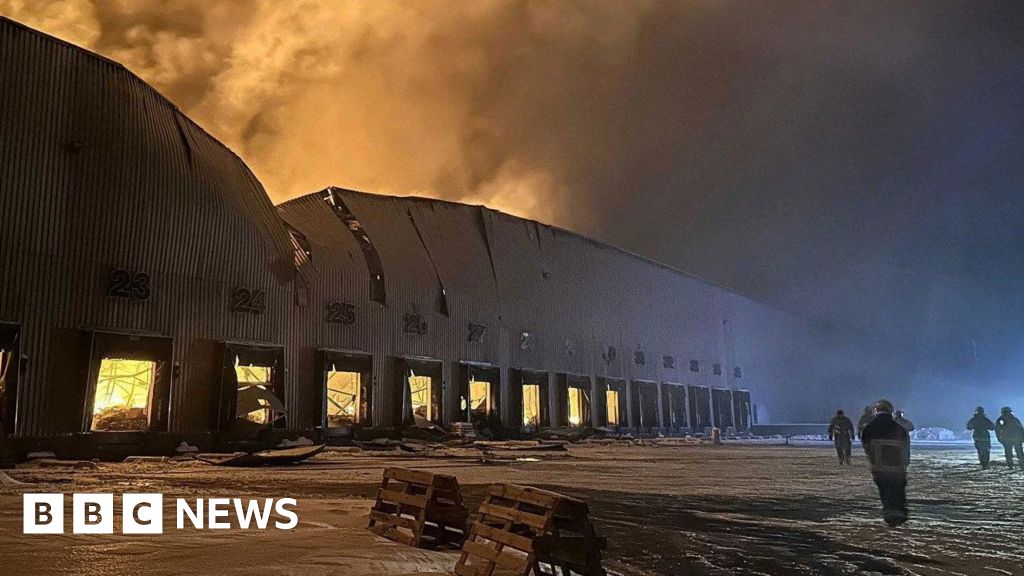
Ukrainian President Volodymyr Zelensky said the US has proposed hosting talks in the United States (likely Miami) next week and that American mediators aim to secure an agreement by June, with leader-level trilateral meetings discussed as a possibility. Concurrently Russia has stepped up strikes on Ukraine's energy infrastructure—Zelensky reported an attack involving more than 400 drones and 40 missiles—Ukrenergo warned of a significant power deficit, DTEK said its thermal plants have been repeatedly targeted (over 220 attacks since the invasion), and Ukraine requested emergency power from Poland, heightening near-term risks to power supply, energy prices, and regional stability.
Market structure: Immediate winners are defense primes (LMT, RTX, NOC, GD) and grid/critical‑infrastructure suppliers (ABB, SIEGY, PRY.MI) as demand for air‑defense, munitions and grid hardening rises; losers include European power retailers and commodity‑heavy cyclical travel names (JETS, IAG) facing margin squeezes. Disruption to Ukraine’s grid and repeated strikes tighten European power and gas markets—expect TTF/TTF‑linked spreads to reprice +15–40% seasonally if outages persist through spring—supporting oil (WTI/Brent) and LNG (Cheniere LNG) cash flows. Risk‑off flows favor USTs (yields down) and USD strength versus EUR; credit spreads in CE/EM Europe should widen 25–75bp on escalation headlines.
Risk assessment: Tail risks include rapid escalation to NATO‑adjacent targets or sanctions that choke LNG/VLNG shipping (low‑probability, high‑impact) and a June diplomatic ceasefire (binary) that could collapse defense rallies. Immediate window (days): power outages, gas storages draw; short term (weeks–months): higher power/gas volatility and defense order visibility; long term (quarters–years): reconstruction capex raising EM metals/steel demand. Hidden dependencies: US political timeline (June goal) creates a cliff risk—prices may revert >30% quickly if talks succeed. Catalysts: Miami talks week, next big missile/drone salvo, EU emergency gas allocations.
Trade implications: Favor 6–12 month longs in LMT/RTX/NOC (2–4% portfolio each) with 8–12% stop; buy Cheniere (LNG) 2% for structural LNG demand and consider short JETS 1–2% to capture fuel/operational risk. Use options: buy 6‑month LMT 1:1 call spreads (pay <=$5 premium, target 25–40% upside) and buy 3‑month LNG calls ahead of spring seasonal tightness. Rotate out of European consumer cyclicals and increase defensive cash/UST allocation to 8–12%.
Contrarian angle: Markets may have overbaked permanent defense order growth—if a June deal occurs, expect a 15–30% pullback in defense names; hedge with cheap June/Sept put spreads (e.g., LMT). Conversely, gas/electricity forward curves likely underprice winter‑to‑summer volatility—buy short‑dated gas call skew or structured notes tied to TTF spikes. Historical parallel: 2014 sanctions produced multi‑year European energy premium and defense capex; outcome depends on whether June is ceasefire (fast mean reversion) or only a pause (prolonged commodity/dealer rally).
AI-powered research, real-time alerts, and portfolio analytics for institutional investors.
Request DemoOverall Sentiment
strongly negative
Sentiment Score
-0.65
