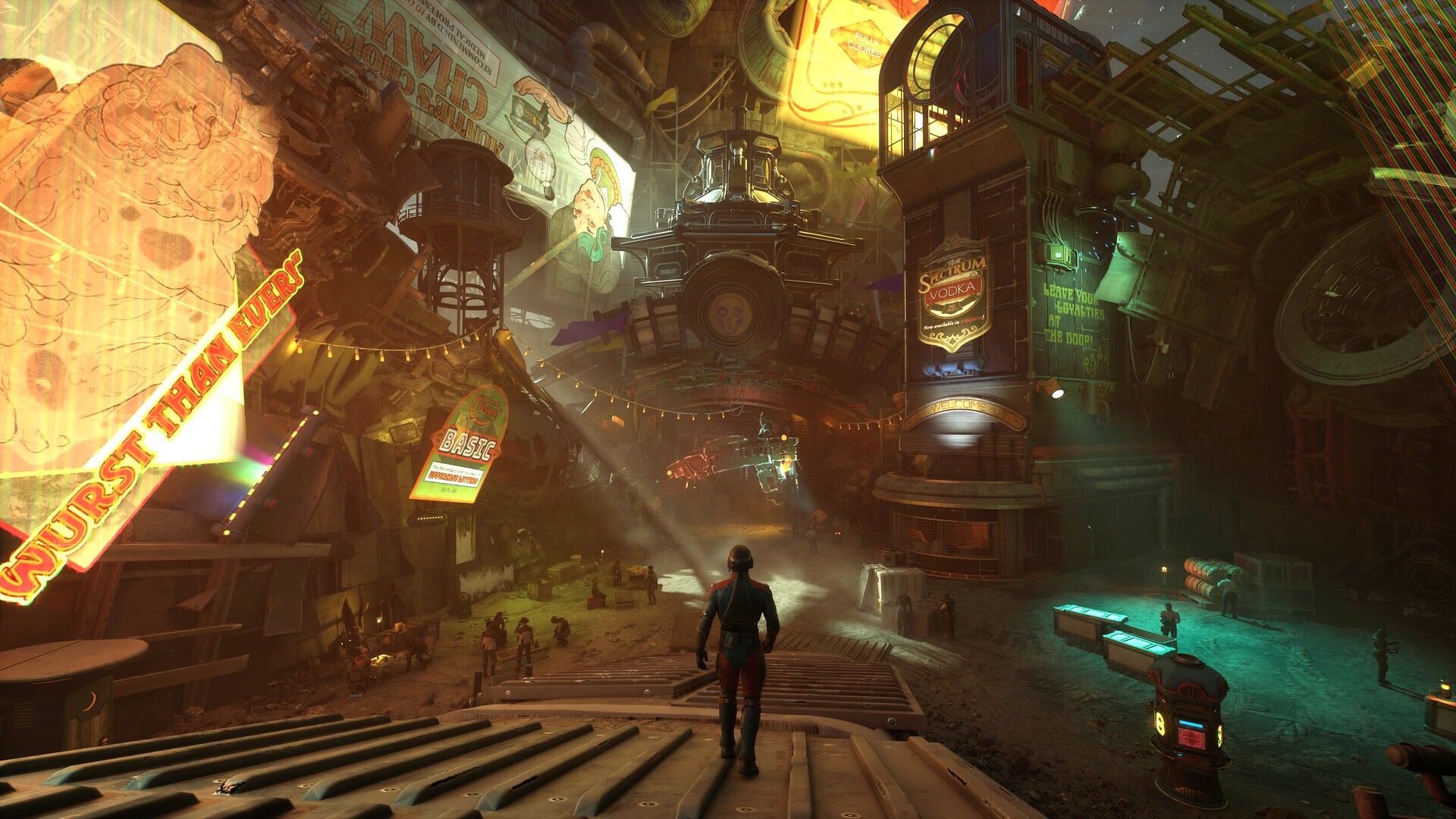
Obsidian Entertainment reported that while Grounded 2 was commercially successful, Avowed and The Outer Worlds 2 underperformed against Microsoft’s performance expectations, prompting a strategic shift to shorten development cycles to three-to-four years, increase outsourcing, and reuse prior technology to reduce costs and time-to-market. The studio is avoiding clustered release schedules, has no current plans for The Outer Worlds 3, and plans further Pillars of Eternity and Avowed titles; these operational changes aim to improve project economics and resource management within Microsoft’s gaming division.
Market structure: Obsidian’s shift to shorter 3–4 year dev cycles (vs ~6 years) and increased outsourcing benefits middleware and external QA/outsourcing vendors while pressuring in-house studio utilization. Winners: outsourcing vendors and middleware/tools; Losers: large internal studio cost bases and publishers that rely on multi-title same-year releases. For MSFT (MSFT) this is a modest near-term negative to Xbox content cadence but not existential given diversified cloud and enterprise cash flows.
Risk assessment: Tail risks include a larger-than-expected Game Pass subscriber hit or a major write-down from continued AAA misses, both low-probability but >$1–3bn impact to gaming segment over 12–24 months. Immediate (days) impact should be muted; short-term (weeks–months) watch for guidance changes at MSFT earnings and Game Pass metrics; long-term (quarters–years) efficiency gains could improve ROI per title by ~33–50% if cycle times shorten. Hidden deps: talent attrition, marketing clustering risk, and outsourced quality control creating coordination/PR failures.
Trade implications: Favor selective exposure to outsourcing/middleware (Keywords Studios-type) and maintain tactical MSFT positions sized to absorb gaming volatility (2–3% portfolio). Use options to hedge event risk around MSFT earnings (90-day put spreads) rather than outright short. Rotate away from single-franchise, high-burn developers and reallocate to diversified publishers and service providers over 6–12 months.
Contrarian angles: Market may underweight operational improvements — if Obsidian succeeds, margin per title could rise materially and lower frequency of “Year of X” volatility, benefiting MSFT gaming margins 12–36 months out. Overreaction risk: a short-term selloff in pure-play gaming names could create entry points for outsourcers and select sequel-friendly studios; conversely, outsourcing increases counterparty concentration risk that’s easy to miss.
AI-powered research, real-time alerts, and portfolio analytics for institutional investors.
Request DemoOverall Sentiment
mildly negative
Sentiment Score
-0.25
Ticker Sentiment
