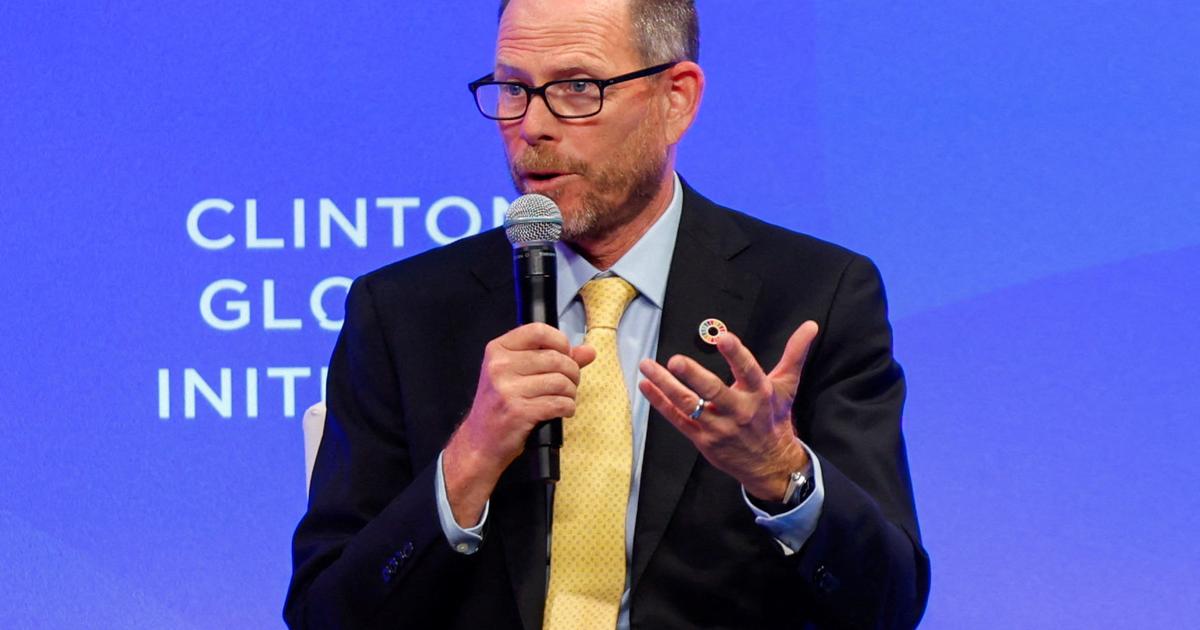
The Gates Foundation warns that cuts in development spending by the US and other wealthy countries — totaling “tens of billions” by the foundation's estimate — have coincided with a reversal in child mortality trends, after deaths from preventable diseases fell from 10.0m in 2000 to 4.6m in 2024 but rose by an estimated 200,000 in 2025. CEO Mark Suzman outlined a plan to deploy the final $200 billion of Bill Gates’ fortune before the foundation closes in 2045, concentrating on ending preventable maternal and child deaths, eradicating polio and malaria, and tackling TB, HIV and poverty, while warning of systemic risks if US and donor funding for institutions like the World Bank’s IDA is not restored.
Market structure: Cuts in Western foreign aid reshuffle demand from public donors to philanthropies and targeted procurement. Winners are suppliers of vaccines, diagnostics, cold‑chain and low‑cost therapeutics (scale manufacturers and contract manufacturers); losers include fragile EM sovereign borrowers, NGOs reliant on government grants, and broad-based EM consumption plays. Expect concentrated, contract‑driven revenue flows rather than broad market demand, favoring large-cap, execution‑capable suppliers over small biotech.
Risk assessment: Tail risks include a major epidemic in 12–36 months that forces emergency procurement (positive for vaccine/platform suppliers) or, conversely, permanent withdrawal of multilateral financing that triggers EM sovereign defaults and FX crises. Immediate headlines will move sentiment (days); funding cycles and procurement contracts shift outcomes over 3–12 months; structural human‑capital damage plays out over years. Hidden dependency: health outcomes feed back into labor productivity and commodity demand in EM, amplifying macro shocks.
Trade implications: Tactical trades should be asymmetric — long scalable vaccine/diagnostic suppliers and hedges against EM stress. Use options to cap downside while levering upside around anticipated procurement windows (budget cycles, Gates grant announcements). Reduce outright exposure to frontier sovereign credit and prefer equities of firms with direct grant/contract pipelines.
Contrarian angles: The market underestimates targeted philanthropic firepower — Gates’ $200bn roadmap can create idiosyncratic winners if contracts concentrate; prices in EM risk may be oversold relative to fundamentals if spreads overshoot by >150bps. Historical parallel: targeted donor surges (e.g., PEPFAR) created multi‑year durable revenue streams for a handful of manufacturers; similar dispersion of returns is likely here.
AI-powered research, real-time alerts, and portfolio analytics for institutional investors.
Request DemoOverall Sentiment
moderately negative
Sentiment Score
-0.45
Ticker Sentiment
