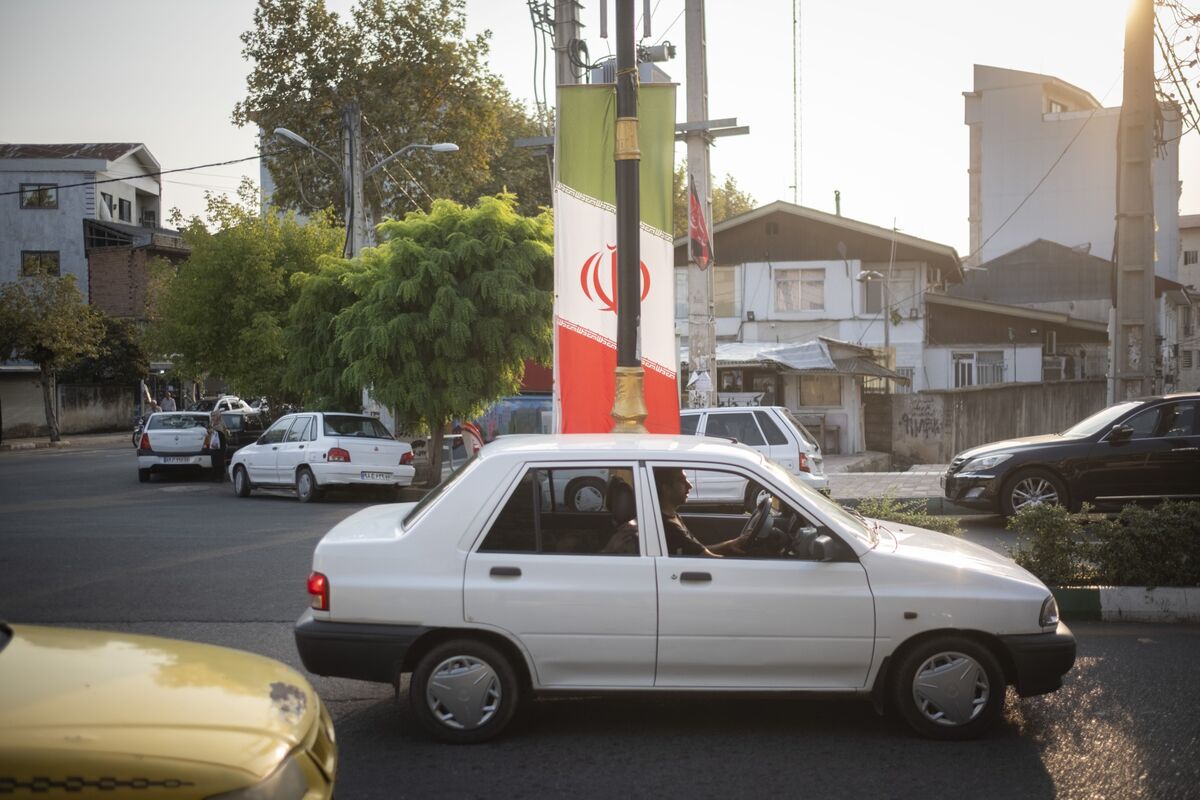
US and European powers are pushing for renewed diplomacy with Iran after UN sanctions, previously lifted under the 2015 nuclear accord, snapped back into effect early Sunday. US Secretary of State Marco Rubio emphasized that a deal remains the optimal outcome, otherwise countries should enforce sanctions immediately, indicating continued pressure on Tehran amid heightened geopolitical tensions and potential market implications.
The reimposition of United Nations sanctions on Iran, following a failed bid to extend a deadline under the 2015 accord, marks a significant escalation in geopolitical tension. Concurrently, US and European powers are publicly urging a return to diplomatic negotiations, creating a dual-track scenario of pressure and potential engagement. The statement from US Secretary of State Marco Rubio, which frames a deal as the optimal outcome but demands immediate sanctions implementation in its absence, underscores a hardline US posture. This development introduces a 'moderately negative' sentiment into the market, reflected by a sentiment score of -0.5 and a market impact score of 0.6, primarily by elevating risk in energy markets and global trade. The snapback of penalties heightens uncertainty for any entities with exposure to Iran and suggests a period of increased volatility for commodities, particularly crude oil, depending on the efficacy of sanctions enforcement and Iran's response.
AI-powered research, real-time alerts, and portfolio analytics for institutional investors.
Request DemoOverall Sentiment
moderately negative
Sentiment Score
-0.50
