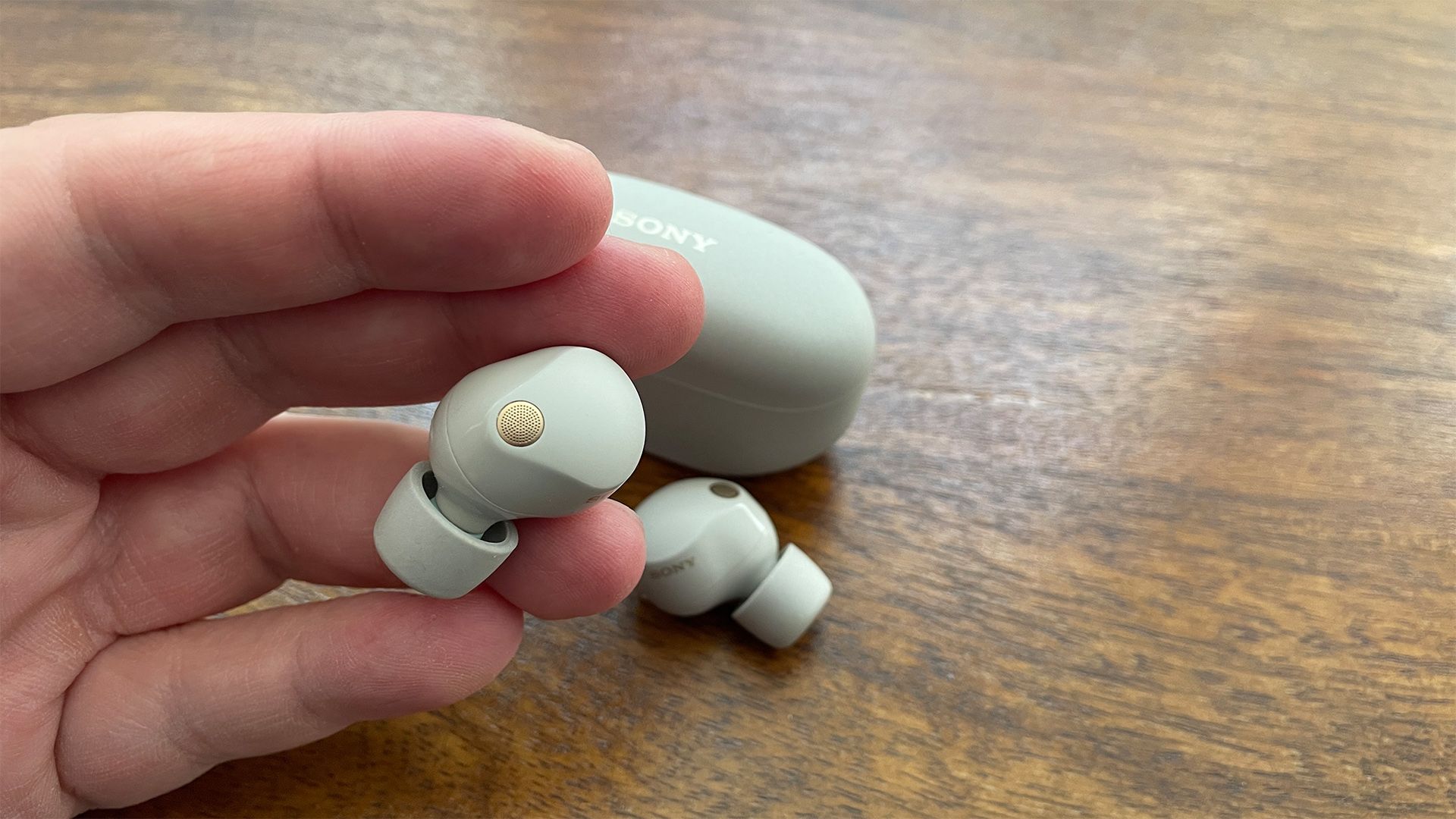
Sony posted a teaser video likely showing the next-generation WF-1000XM6 wireless earbuds with an official reveal scheduled for Feb. 12, 2026 at 8:00 AM PST. Leaks suggest IPX4 water resistance, noise-cancelling and ambient modes, a slightly larger ovular design versus the XM5, and higher pricing around $329/€299/£278 (roughly £20 above the XM5); confirmation at launch will determine whether the higher suggested ASP meaningfully impacts Sony's consumer audio revenue trajectory.
Market structure: A $329 leaked ASP for WF-1000XM6 (vs ~£20 premium to XM5) signals Sony (SONY) pushing premium headphone pricing and could expand gross margins for its Electronics Products & Solutions segment if volumes hold. Direct winners: SONY (brand/ASP lift), Qualcomm (QCOM) and Cirrus Logic (CRUS) as chip/codec suppliers, selective retailers; losers: lower‑end OEMs and independent TWS makers facing price compression. Expect modest short‑term share gains in premium TWS (1–3 pts over 6–12 months) but limited disruption to Apple (AAPL) given ecosystem lock‑in.
Risk assessment: Immediate tail risks include negative reviews or battery/fire recalls that could cost >$100m and knock sentiment; FX (JPY strength) could erode repatriated margins if sustained >3% move vs USD over next quarter. Time horizons: volatility spike around Feb 12 launch (days), initial sales traction over 4–12 weeks, durable margin impact visible in quarterly results (2–4 quarters). Hidden dependencies: component inventory (audio SoCs, batteries), retail channel promotions, and firmware ANC performance — all can flip outcomes quickly.
Trade implications: Tactical: establish a small 2–3% long position in SONY ADR (SONY) 1–2 days pre‑launch to capture upside from positive reviews, with a stop at -6% and take‑profit at +8% within 10 trading days. Add 0.5–1% exposure to QCOM or CRUS as supplier plays if independent teardowns confirm their components. Options: buy a short‑dated (2–4 week) call spread on SONY sized at 0.5% portfolio to limit premium exposure and capture launch upside while capping loss.
Contrarian angles: Consensus will likely overvalue the one‑time product bump and underweight execution risk — historical premium TWS refreshes often produce <10% sustainable share shifts. The market may underprice downside: a $329 ASP risks volume elasticity; if post‑launch 30‑day sell‑through <60% of retail stock, expect markdowns and margin erosion. Wait for third‑party reviews and initial sell‑through data (first 30 days) before increasing allocation above 3%.
AI-powered research, real-time alerts, and portfolio analytics for institutional investors.
Request DemoOverall Sentiment
neutral
Sentiment Score
0.05
Ticker Sentiment
