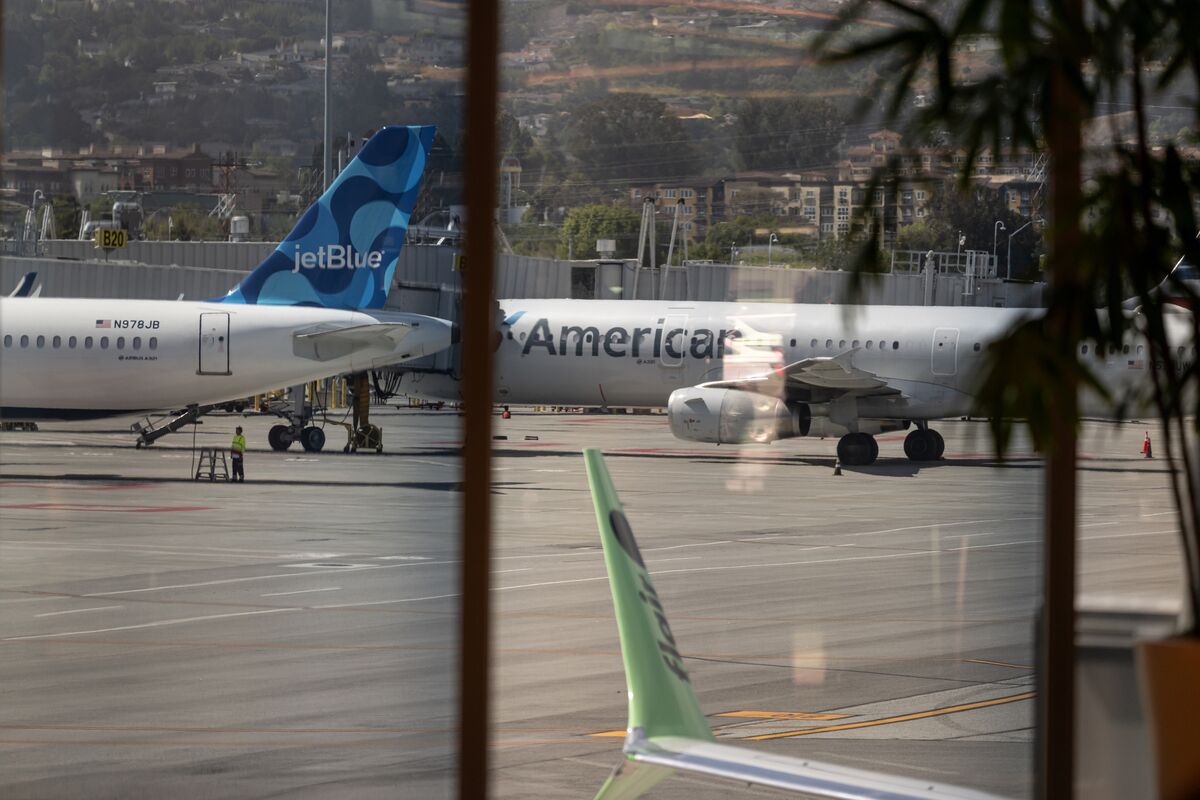
US airlines are grappling with a significant shift in booking patterns, as leisure and business travelers, influenced by economic uncertainty, are now making reservations less than two weeks prior to departure, a sharp deviation from the traditional one-month-plus lead time. This last-minute booking trend severely complicates carriers' ability to accurately forecast capacity needs for the holiday season. Consequently, airlines face heightened revenue and profit risk if they misjudge demand and fail to optimize operations effectively.
The U.S. airline industry is facing a significant operational challenge stemming from a structural shift in consumer booking behavior, driven by prevailing economic uncertainty. Travelers are now booking flights less than two weeks in advance, a stark deviation from the historical norm of one month or more. This compressed booking window severely complicates demand forecasting and capacity planning for carriers, a core function for optimizing profitability. The timing is particularly critical as it coincides with the approach of the high-stakes holiday travel season. Any miscalculation in aligning flight capacity with this unpredictable, last-minute demand could directly translate into either unsold inventory or missed revenue opportunities, placing significant pressure on both top-line revenue and bottom-line profit margins across the sector.
AI-powered research, real-time alerts, and portfolio analytics for institutional investors.
Request DemoOverall Sentiment
strongly negative
Sentiment Score
-0.60
