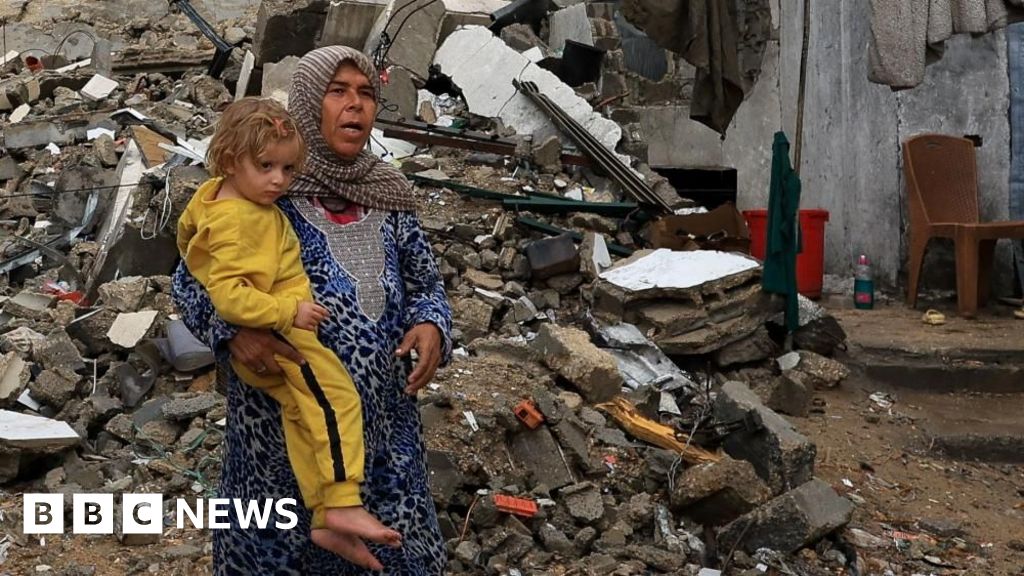
The UN Security Council is set to vote on a U.S.-authored resolution backing Donald Trump's Gaza peace plan that would authorize an International Stabilization Force (ISF), transitional governance overseen by a proposed Board of Peace, and creation of a retrained Palestinian police; the draft also raises the prospect of a future Palestinian state. The text, central to the ceasefire framework that paused the two-year Israel–Hamas war, tasks the ISF with protecting civilians and aid routes and with 'permanent decommissioning of weapons' from non-state groups including Hamas, though contributing nations and enforcement details remain unclear and Washington warned that opposition could risk a return to fighting. Hamas denounced the plan as an attempt to impose international authority and rejected disarmament and foreign troops, while Israeli Prime Minister Benjamin Netanyahu and coalition partners have strongly objected to any statehood language, underscoring high political risk and uncertain implementation.
The UN Security Council is set to vote on a U.S.-authored draft resolution that endorses key elements of Donald Trump's 20-point Gaza peace plan, including authorization for an International Stabilization Force (ISF), creation of a Board of Peace to oversee transitional governance and technocratic administration of Gaza, and training of a new Palestinian police force; the text explicitly tasks the ISF with protecting civilians and aid routes and with “permanent decommissioning of weapons” from non-state groups including Hamas, while Washington says multiple unnamed countries have offered contributions though enforcement and mandate details remain unclear.
The draft has generated immediate political pushback: Hamas labeled it “dangerous” and rejected any clause on disarmament or foreign military presence, and Israeli Prime Minister Benjamin Netanyahu strongly objected to language referencing a future Palestinian state, with coalition partners threatening to leave government. Washington has warned that a vote against the draft could precipitate a return to fighting after the Trump plan helped secure last month’s ceasefire that paused the two-year Israel–Hamas war which began with the 7 October 2023 attack (about 1,200 Israelis killed and 251 taken hostage) and has seen more than 69,483 Palestinian deaths reported by the Hamas-run health ministry.
For markets, the package raises sustained geopolitical and implementation risk: the uncertain composition and authorities of the ISF, Israeli domestic political backlash, and Hamas rejection create a credible path to renewed conflict that supports upside volatility in defense and infrastructure-related spending, pressure on regional risk assets and energy-linked markets, and ongoing humanitarian-access volatility that could affect logistics and aid corridors.
AI-powered research, real-time alerts, and portfolio analytics for institutional investors.
Request DemoOverall Sentiment
moderately negative
Sentiment Score
-0.40
