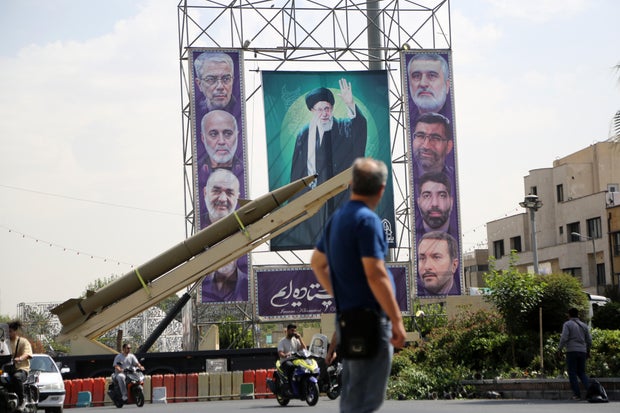
Iran executed Bahman Choobiasl, accused of spying for Israel, amidst a wave of executions that human rights groups project will exceed 1,000 in 2025, marking a significant escalation of internal repression. This action occurs as the UN and EU reimpose sanctions on Iran over its nuclear program, freezing assets and halting arms deals, further isolating the nation. The heightened geopolitical tensions and domestic instability are compounded by severe economic distress, with the Iranian rial at a record low, intensifying food price pressures and indicating increased operational risk.
The execution of an alleged spy in Iran is symptomatic of a significant escalation in both internal repression and external geopolitical pressure, creating a highly volatile environment. Domestically, the regime is responding to widespread protests and economic hardship with a severe crackdown, evidenced by a wave of executions projected by human rights groups to exceed 1,000 in 2025. This internal instability is compounded by crippling external factors, as the UN and EU have reimposed sanctions via the 'snapback' mechanism, freezing Iranian assets abroad and halting arms deals. The economic consequences are stark and immediate: the Iranian rial has depreciated to a record low against the dollar, directly fueling inflation and exacerbating the cost-of-living crisis. This convergence of severe economic distress, domestic political instability, and heightened geopolitical tensions, including recent conflict with Israel, significantly elevates sovereign risk and points toward increased unpredictability in regional security and energy markets.
AI-powered research, real-time alerts, and portfolio analytics for institutional investors.
Overall Sentiment
strongly negative
Sentiment Score
-0.80
