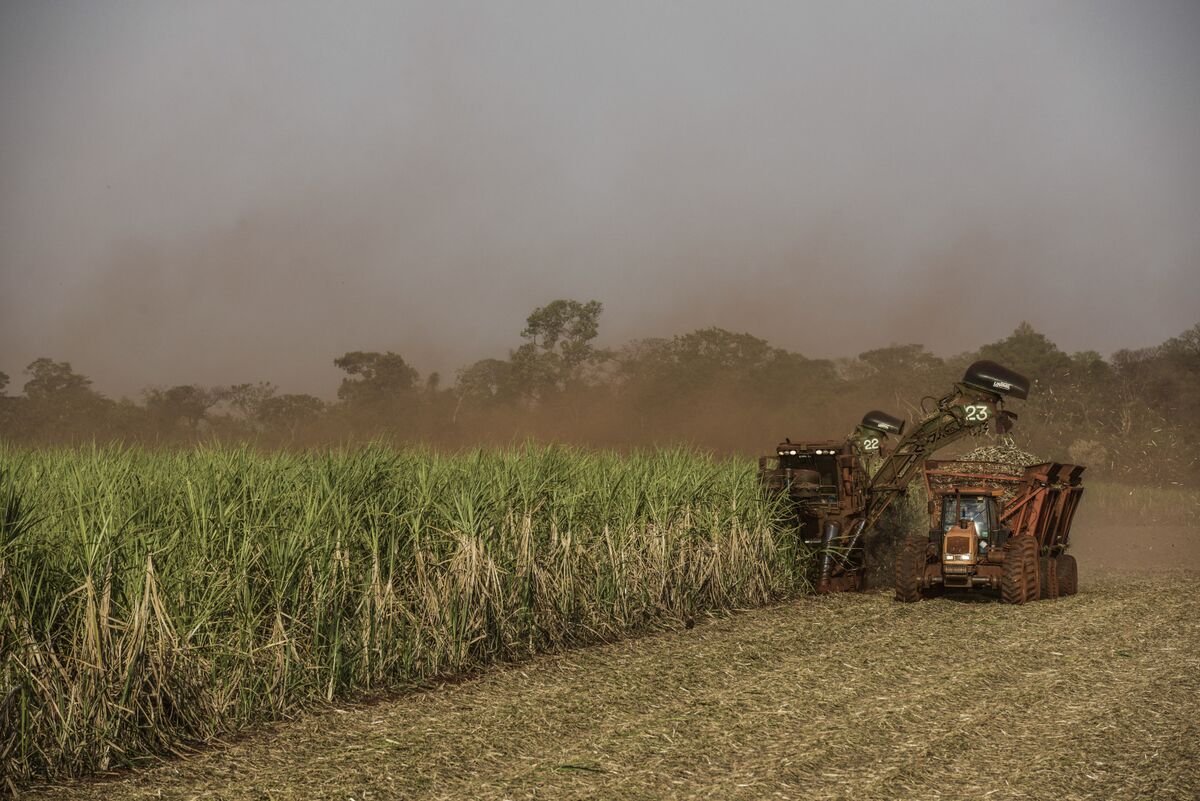
Raw sugar futures advanced on growing concerns over weaker cane yields in Brazil, the world's largest producer. Analysts indicate that persistently lower yields could lead to an earlier-than-expected conclusion of the Brazilian crushing season, potentially tightening global sugar supply and impacting Q4 availability.
Raw sugar futures have reversed a four-day decline, driven by significant supply-side concerns originating from Brazil, the world's largest producer. The primary catalyst is the growing market apprehension over weaker-than-expected cane yields. Despite currently high cane-crushing volumes, which are typical for the peak of the season, expert analysis from Covrig Analytics points to a potential 'sudden death' for the Brazilian crop in the fourth quarter. This scenario implies that mills could deplete their cane supply much earlier than anticipated, creating a supply bottleneck. The moderately negative sentiment and significant market impact score underscore the gravity of this potential disruption to global sugar availability, particularly heading into Q4.
AI-powered research, real-time alerts, and portfolio analytics for institutional investors.
Request DemoOverall Sentiment
moderately negative
Sentiment Score
-0.40
