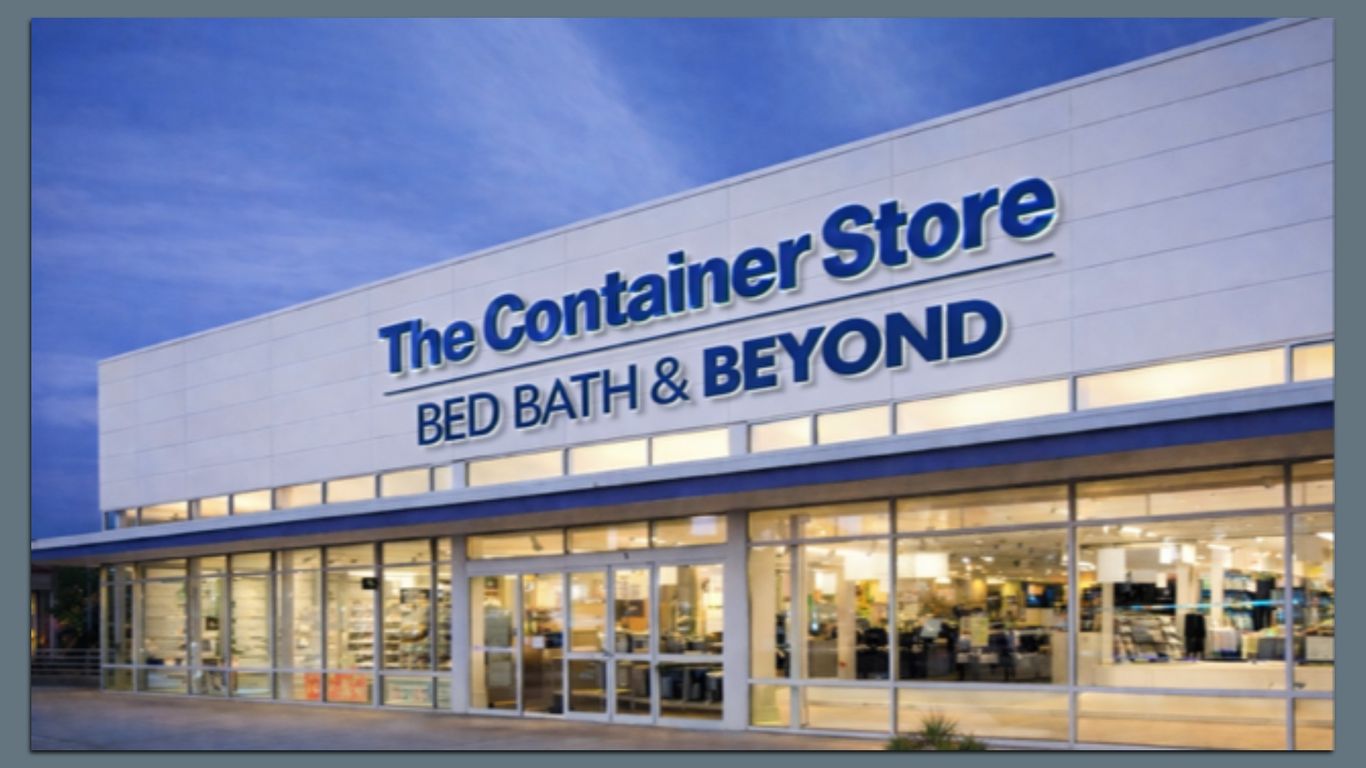
Bed Bath & Beyond is acquiring The Container Store in a deal valued at about $150 million (100+ Container Store locations) expected to close in July, while also completing Kirkland's and signing deals for Elfa and Closet Works. The company plans to dual-brand Container Store locations, revive its 20% coupon across brands, begin product rollouts in selected Container Store test locations within 90 days and target a broader rollout by back-to-college season. The strategy aims to build an "Everything Home" platform and restart physical retail exposure, but integration of multiple acquisitions and an unclear cohesive vision present material execution risk.
The move into installation and customization is value-accretive only if attach rates and pricing power are preserved; field services typically carry gross margins 2-4x higher than boxed home goods and create recurring touchpoints that can lift LTV by $200–$500 per engaged household over 12–24 months. That optionality is why a successful rollout could re-rate the equity from a liquidation/asset-reset multiple to a services-forward multiple, but it requires proving a stable customer acquisition funnel and >20% service attach within test stores to move the needle on consolidated margins.
Execution risk is front-loaded and measurable: converting footprints, integrating SKUs and stand-up of certified installers will consume cash and working capital. Expect capex and working-cap swings concentrated in the next 6–18 months — a rough benchmark is $0.5–2.0m per location of conversion cost plus 30–90 day inventory build — and coupon-driven demand stimulation can shave 300–600bps from reported gross margin if redemption rates exceed pilot expectations.
Competitive second-order effects cut both ways. Large DIY chains and national installers (scale players) can selectively replicate an integrated services+retail play, pressuring labor markets and compressing margins on installation; conversely, landlords and mall owners benefit from higher foot traffic and lower vacancy risk for co-branded formats. Suppliers of private-label and modular shelving/closet systems become strategic partners — expect consolidation talks and longer vendor payment terms as the company seeks SKU control to protect margin.
Key near-term catalysts to watch are: service attach rate and average ticket in the first 90-day test window, coupon redemption % across channels, inventory days on hand and any incremental capex guidance at next update. Reversals will be rapid if liquidity tightens or test-store comps miss by >10% vs plan — that’s the single biggest binary that can flip sentiment in 3–6 months.
AI-powered research, real-time alerts, and portfolio analytics for institutional investors.
Request DemoOverall Sentiment
mildly positive
Sentiment Score
0.30
Ticker Sentiment
