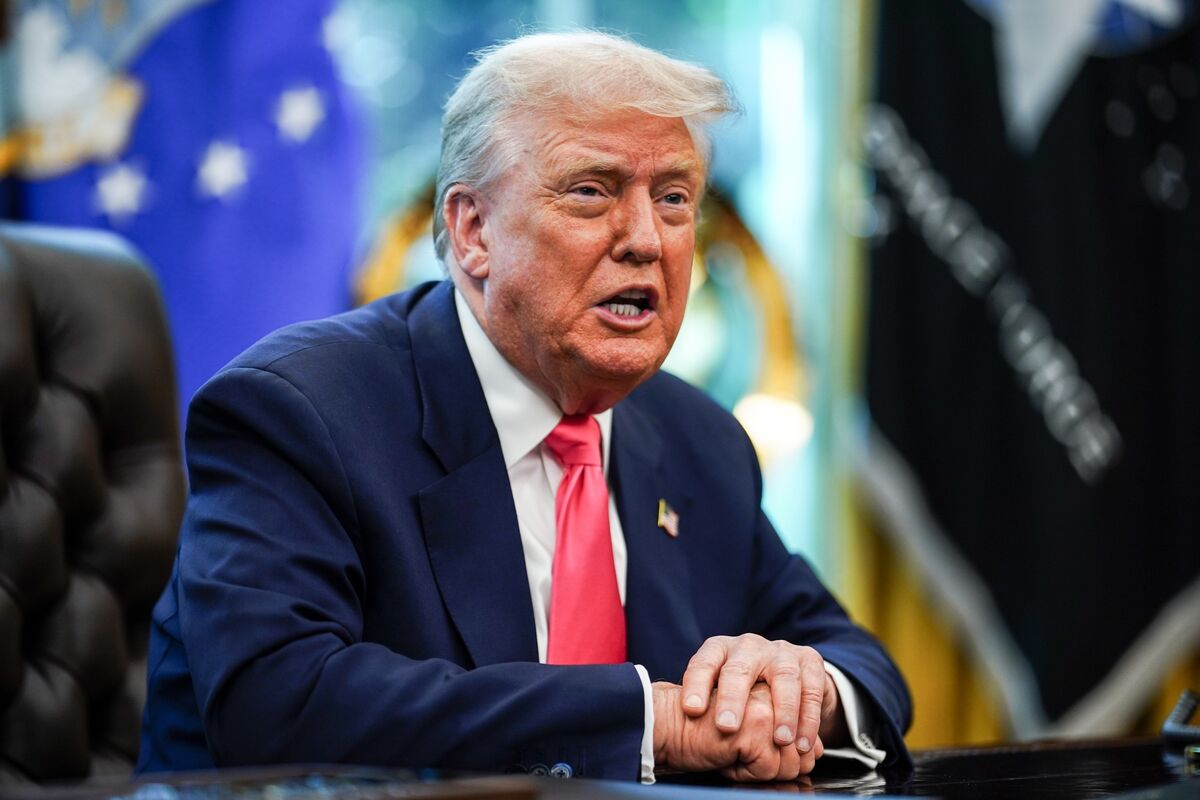
Aides to President Donald Trump compiled a scorecard ranking 553 companies as 'strong, moderate, or low' partners based on their support for his administration's signature tax cut law. This internal corporate loyalty assessment, tied to a significant fiscal policy, introduces a new dimension of political risk and potential governmental favorability for businesses, which could influence corporate strategy and investor perceptions of political alignment.
The creation of a corporate scorecard by President Trump's aides, ranking 553 companies based on their support for a signature tax law, introduces a significant and explicit new layer of political risk for U.S. corporations. This formalizes a system where perceived political alignment could directly influence a company's relationship with the executive branch, potentially impacting regulatory oversight, public perception, and even future policy benefits. The mildly negative sentiment score of -0.2 underscores the market's unease with this politicization of business, while the low market impact score of 0.3 reflects that the immediate financial consequences are not yet clear, as the specific companies on the list have not been disclosed. This development forces a re-evaluation of how corporations engage with political issues, moving beyond traditional lobbying to a more overt calculus of support that could have tangible, albeit currently unquantified, financial repercussions.
AI-powered research, real-time alerts, and portfolio analytics for institutional investors.
Request DemoOverall Sentiment
mildly negative
Sentiment Score
-0.20
