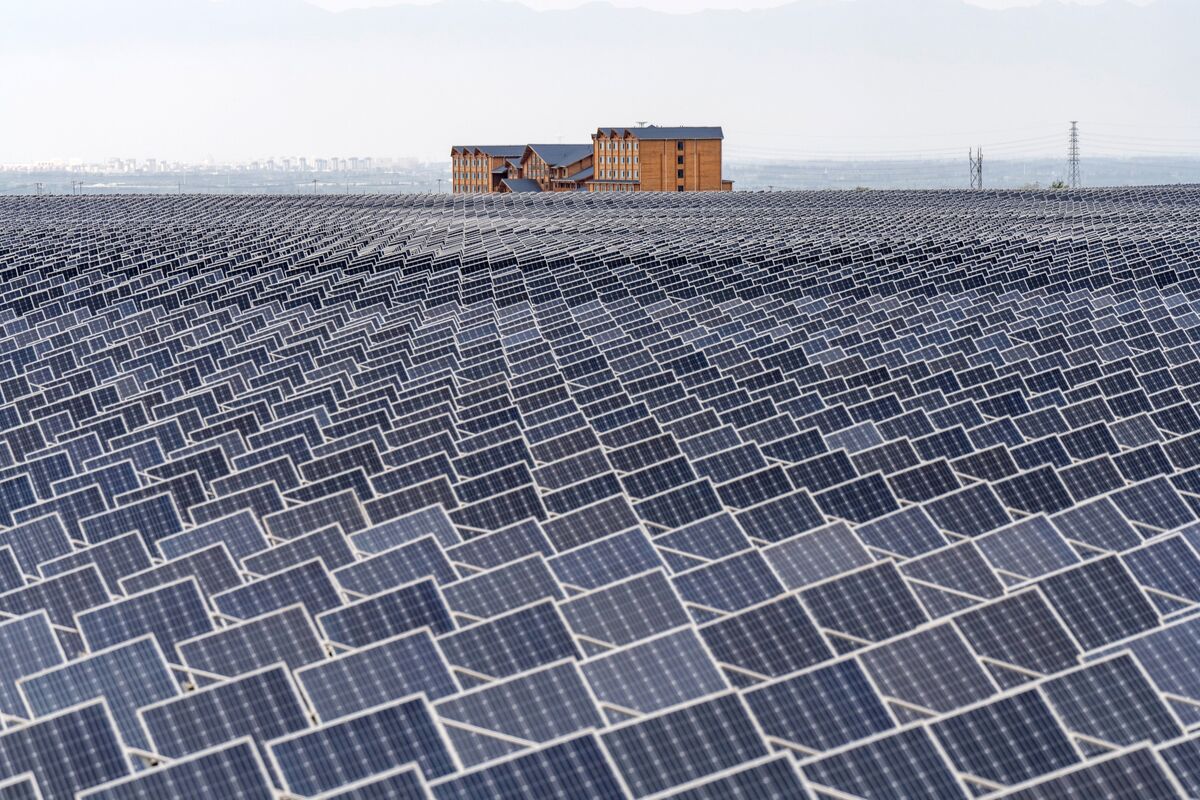
China is entering a new, uncertain phase of its large-scale shift to cleaner power as Beijing tests novel policy and technical solutions to prevent the clean-power rollout from stalling. The process is described as potentially “messy,” signalling elevated execution and regulatory risk for power, commodity and equipment markets, while also offering possible policy and deployment templates that other emerging markets may study.
Market structure: Beijing’s experimentation shifts pricing power from incumbent thermal generators to materials and systems suppliers that solve variability (batteries, transmission, power-electronics). Direct beneficiaries: lithium, copper, large-scale battery OEMs and grid-equipment vendors; losers: merchant thermal plants, cramped provincial grids, and thin-margin module manufacturers that face policy whipsaw. Expect 6–18 month volatility spikes in polysilicon/lithium/copper spot markets (order-of-magnitude moves of ±10–30%) as procurement windows and subsidy signals jitter demand timing.
Risk assessment: Tail risks include abrupt subsidy reversals, provincial curtailment policies that strand capacity, or export controls on critical inputs — each could wipe 20–40% off specific equities in weeks. Immediate (days): policy headlines drive >3–6% swings in related ETFs; short-term (weeks–months): project financing and orderbook re-pricing; long-term (2–5 years): structural lift for storage and transmission capital spending. Hidden dependencies: grid reform sequencing (national vs provincial) and interconnector build timelines; catalyst set: NDRC/NEA statements, provincial procurement auctions, and Five-Year Plan clarifications in next 30–90 days.
Trade implications: Tilt portfolio toward materials and storage exposure while hedging policy timing risk. Favor 3–12 month exposure to copper (miners/ETFs) and lithium/battery-themed funds, use call-spreads to cap premium, and implement pair trades shorting coal/thermal-tilted names or solar OEMs vulnerable to subsidy churn. Rotate out of long-duration utility equity exposure; increase volatility hedges (options) into major policy windows.
Contrarian angles: Consensus underestimates sustained storage CAPEX — curtailment pain will accelerate battery demand, not collapse renewables, producing multi-year commodity tightness. Reaction may be overdone in upstream module prices (short-term) while underpricing battery raw-material equities (medium term). Historical parallels: earlier rapid renewable rollouts produced boom-bust commodity cycles (2009–2012); watch for unintended export controls or provincial protectionism that create regional shortages and outsized profits for unconstrained suppliers.
AI-powered research, real-time alerts, and portfolio analytics for institutional investors.
Request DemoOverall Sentiment
neutral
Sentiment Score
-0.10
