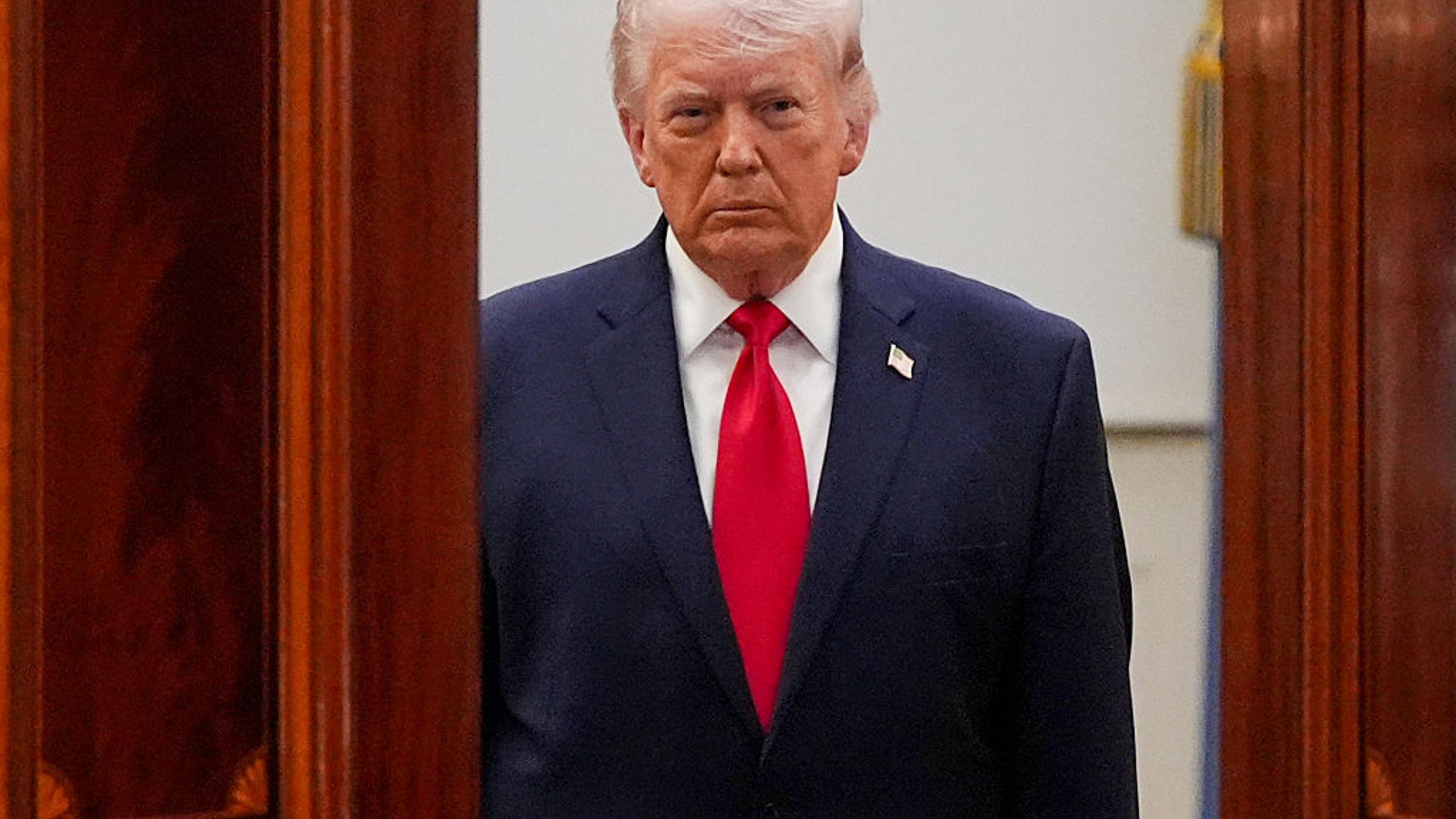
President Trump publicly threatened to bomb Iranian civilian infrastructure with a hard deadline (Tuesday, 8 p.m. ET) to reopen the Strait of Hormuz, while Iran has already choked that key energy corridor and global energy prices have risen materially. The escalation prompted bipartisan and international calls to invoke the 25th Amendment and raised acute geopolitical and market risk, with potential for broad oil-price shocks and supply disruptions if strikes proceed.
Market structure will reprice geopolitical premia in two distinct buckets: immediate transit disruption (days–weeks) and persistent insurance/supply-chain friction (months–years). Rerouting Gulf traffic around Africa adds ~10–18 days per voyage and increases voyage fuel burn and charter rates by multiples; that mechanically boosts tanker time-charter rates and raises delivered oil/LNG breakevens by mid-single to low-double digits per barrel/MBtu.
Higher volatility in energy will cascade into discretionary and transport sectors as input-cost passthrough squeezes margins; airlines and container lines are exposed to both higher fuel and route disruption, while integrated producers with spare capacity and downstream optionality capture disproportionate cashflow. Financial plumbing risk — payments, correspondent banking and sanctions spillovers — can force sellers to pre-fund deliveries, pressuring working capital and creating forced-selling episodes in thin parts of the commodities curve.
Politico-constitutional drama at home increases policy unpredictability for months and raises the probability that Congress or partners impose headwinds (fiscal or sanctions) rather than orderly de-escalation; the most likely de-risk event remains credible third-party mediation or an effective, verifiable reopening of transit corridors within 2–8 weeks. That means acute price shocks are likeliest in the next 48–240 hours, while premium normalization (if it occurs) will be measured in quarters and will leave structural winners (defense, tankers, integrated E&P) with lasting outperformance.
AI-powered research, real-time alerts, and portfolio analytics for institutional investors.
Overall Sentiment
strongly negative
Sentiment Score
-0.85
