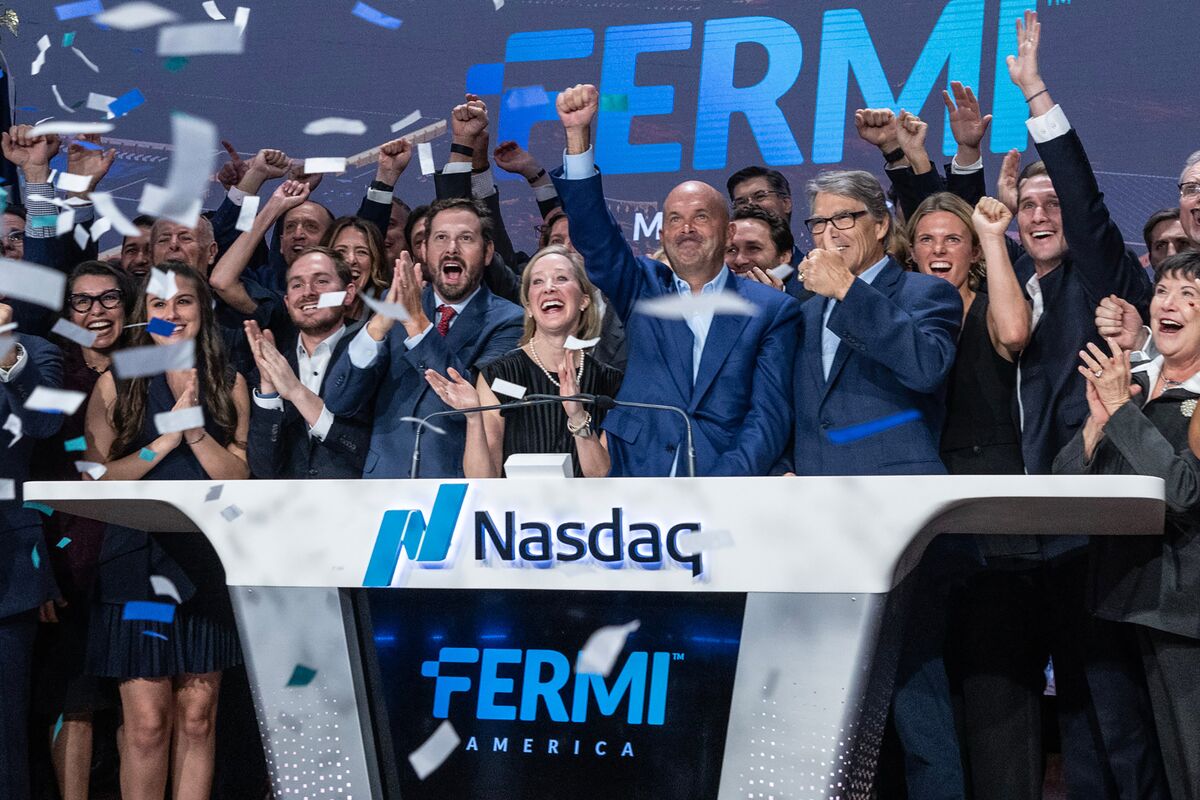
Fermi, the AI-energy startup co-founded by Rick Perry, is facing C-suite turmoil after a 72% selloff. The article highlights governance drama, including an ousted CEO who is now pushing to remove directors, adding uncertainty around the company's execution and leadership. The news is company-specific and likely to affect sentiment more than the broader market.
The market is treating this as a governance story, but the second-order issue is financing access. In private AI infrastructure, capital costs are destiny: once management credibility weakens, lenders, equipment lessors, and hyperscale counterparties reprice execution risk immediately, often before any hard operational damage shows up. A 72% drawdown in a sponsor-backed venture almost always forces a reset in valuation expectations, board control, and milestone timing, which can cascade into slower buildout and weaker negotiating leverage with power, land, and turbine suppliers.
The broader winner is incumbents with cleaner governance and visible power-delivery pipelines. Large utilities, grid-equipment vendors, and established data-center REITs can quietly benefit if customers decide the “private grid” path is too execution-heavy and migrate toward modular, utility-connected capacity instead. Second-order, this is mildly bearish for the whole AI-infrastructure complex because it highlights that power scarcity alone is not enough; the market now wants institutional-grade governance, permitting discipline, and credible capital stacking before assigning scarcity premiums.
Catalyst-wise, this is a months-not-days story unless a formal board settlement, CEO replacement, or financing announcement arrives. The downside tail is that a protracted control fight burns cash and delays commercialization, which can force a down-round or structured rescue financing. The contrarian view is that the selloff may already reflect the governance discount; if the asset base or land/power rights are genuinely scarce, a strategic buyer could still value the project above public-market-style optics, but only after the board situation stabilizes.
For now, this reads like a warning shot rather than a thesis-breaker for AI power demand. The trade is to favor quality over narrative: infrastructure names with existing cash flows and visible interconnection queues should outperform while speculative private-grid platforms remain under a governance cloud.
AI-powered research, real-time alerts, and portfolio analytics for institutional investors.
Request TrialOverall Sentiment
mildly negative
Sentiment Score
-0.35
