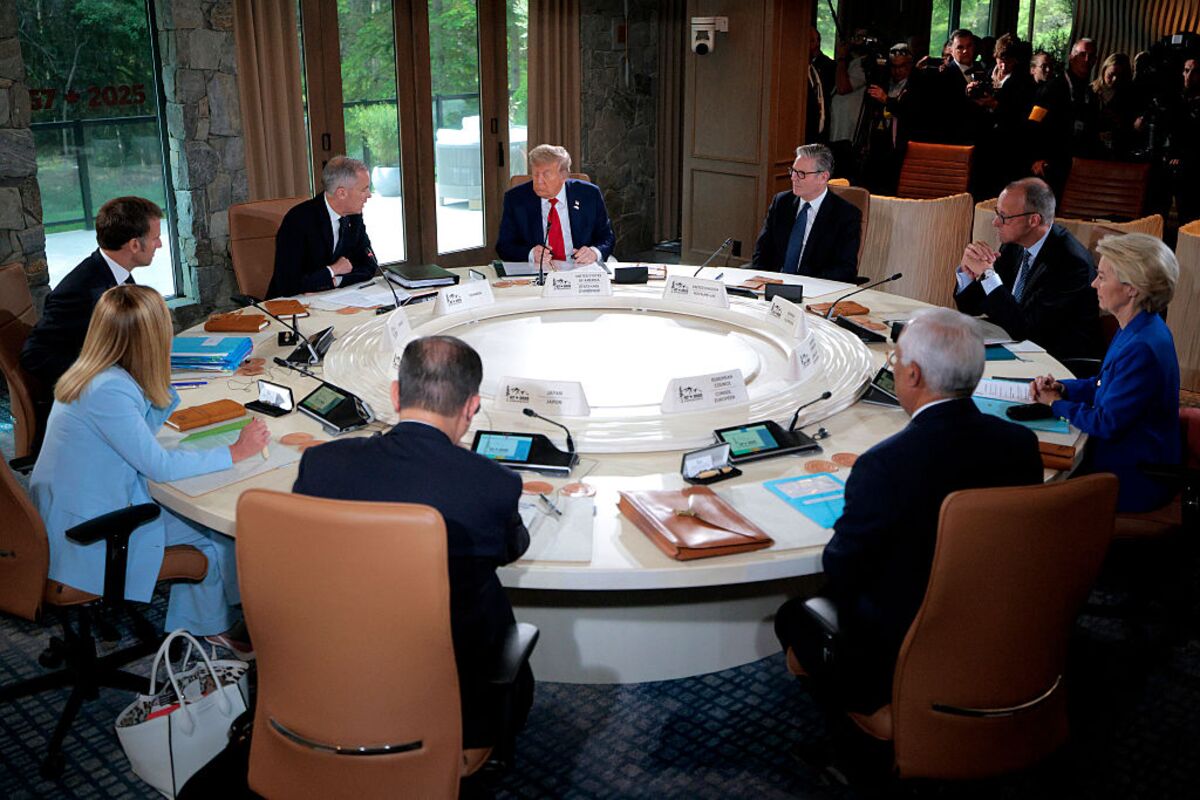
Recent developments suggest the US and Europe are preparing to exert sustained pressure on Russia, potentially signaling a turning point in the Ukraine conflict. This includes Donald Trump outlining conditions for increased sanctions and the European Commission supporting a plan to utilize Russia's approximately $330 billion in frozen central bank assets. These measures, if fully implemented, are viewed as significant levers to compel Russia to end the war.
Emerging signals from the US and Europe indicate a potential strategic shift towards applying more sustained financial pressure on Russia. This is characterized by two key developments: a statement from Donald Trump outlining conditions for escalating sanctions, which ties future US policy to the domestic political landscape, and a more concrete move by the European Commission to back a plan for utilizing approximately $330 billion in frozen Russian central bank assets. While the article frames these as potential 'game changers,' it also underscores that their effectiveness is contingent on full and unified implementation by Western allies. The move from simply freezing assets to actively using them would represent a significant escalation in economic statecraft, designed to create powerful new leverage to alter the Kremlin's calculus and potentially hasten an end to the war in Ukraine.
AI-powered research, real-time alerts, and portfolio analytics for institutional investors.
Request DemoOverall Sentiment
mildly positive
Sentiment Score
0.30
