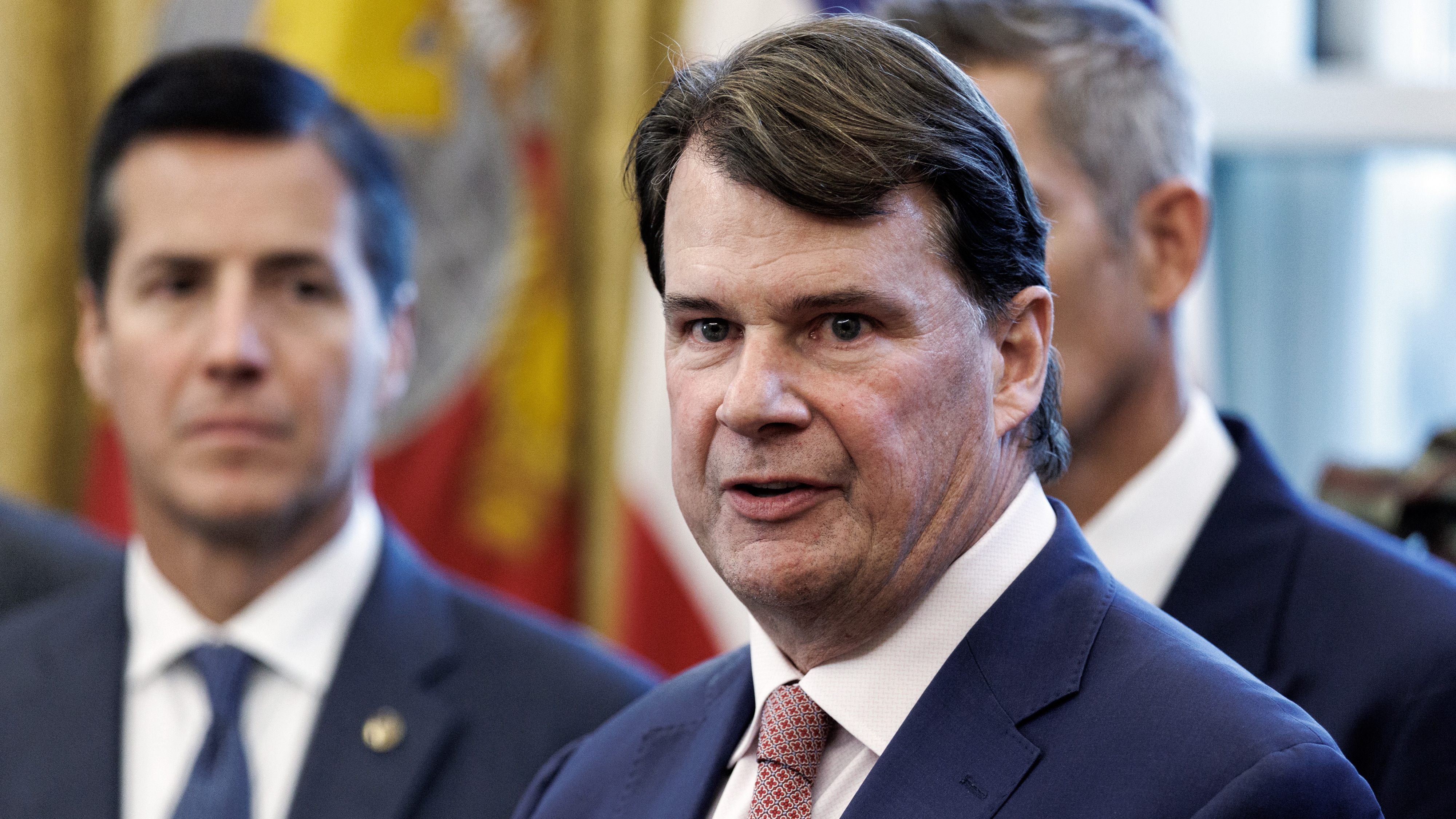
A year after a failed merger attempt, Honda, Nissan and Mitsubishi have spent two years in partnership talks but made little progress as overlapping operations and continuing financial weaknesses have stalled meaningful tie-ups. The lack of consolidation and unresolved strategic direction raises questions about potential cost synergies, governance coordination and future shareholder value for the three automakers, suggesting continued investor caution until concrete actions or deal terms emerge.
Market structure: Failure to form a tight tie-up between Honda (HMC), Nissan (NSANY) and Mitsubishi (MMTOF) favors scale incumbents and tier‑1 suppliers with diversified global footprints. Expect market share to drift ~1–3 percentage points over 12–24 months toward Toyota (TM) and low-cost EV players (BYD, TM) as fragmented Japanese OEMs delay platform consolidation and face higher unit costs. Pricing power will compress for the mid‑market segment; expect 150–300bp margin pressure on smaller OEMs versus peers over the next 12 months.
Risk assessment: Tail risks include a regulatory antitrust penalty if talks become collusive (low prob. but >5% over 12 months), a large recall or capex shock forcing equity dilution (10–20%+), or a sudden yen move (>5% in 3 months) that amplifies FX translation losses. Immediate (days) volatility will be driven by headlines; short term (weeks–months) by Q1 results and supplier contract renewals; long term (quarters–years) by EV platform decisions and battery sourcing (Ni/Li exposure).
Trade implications: Favor long exposure to scale winners (TM, select tier‑1s like Denso/Aisin) and short smaller Japanese OEMs (HMC, NSANY, MMTOF) via a beta‑neutral pair. Use 9–12 month options to express asymmetric views: buy 20% OTM puts on HMC/NSANY and buy call spreads on TM to limit upfront cost. Rotate capital from exposed small/mid auto supply positions into large-cap global EV supply chains over 3–9 months.
Contrarian angles: Consensus assumes prolonged stalemate; overlooked is that a limited tech‑sharing JV (no full merger) could unlock 5–8% operating leverage within 12–18 months — a recoverable upside for beaten-down assets. Conversely, market may be underpricing forced M&A risk where a desperate OEM sells IP/assets at >25% discount, creating opportunistic buyouts; watch corporate cash/debt thresholds and board moves as triggers.
AI-powered research, real-time alerts, and portfolio analytics for institutional investors.
Request DemoOverall Sentiment
moderately negative
Sentiment Score
-0.45
