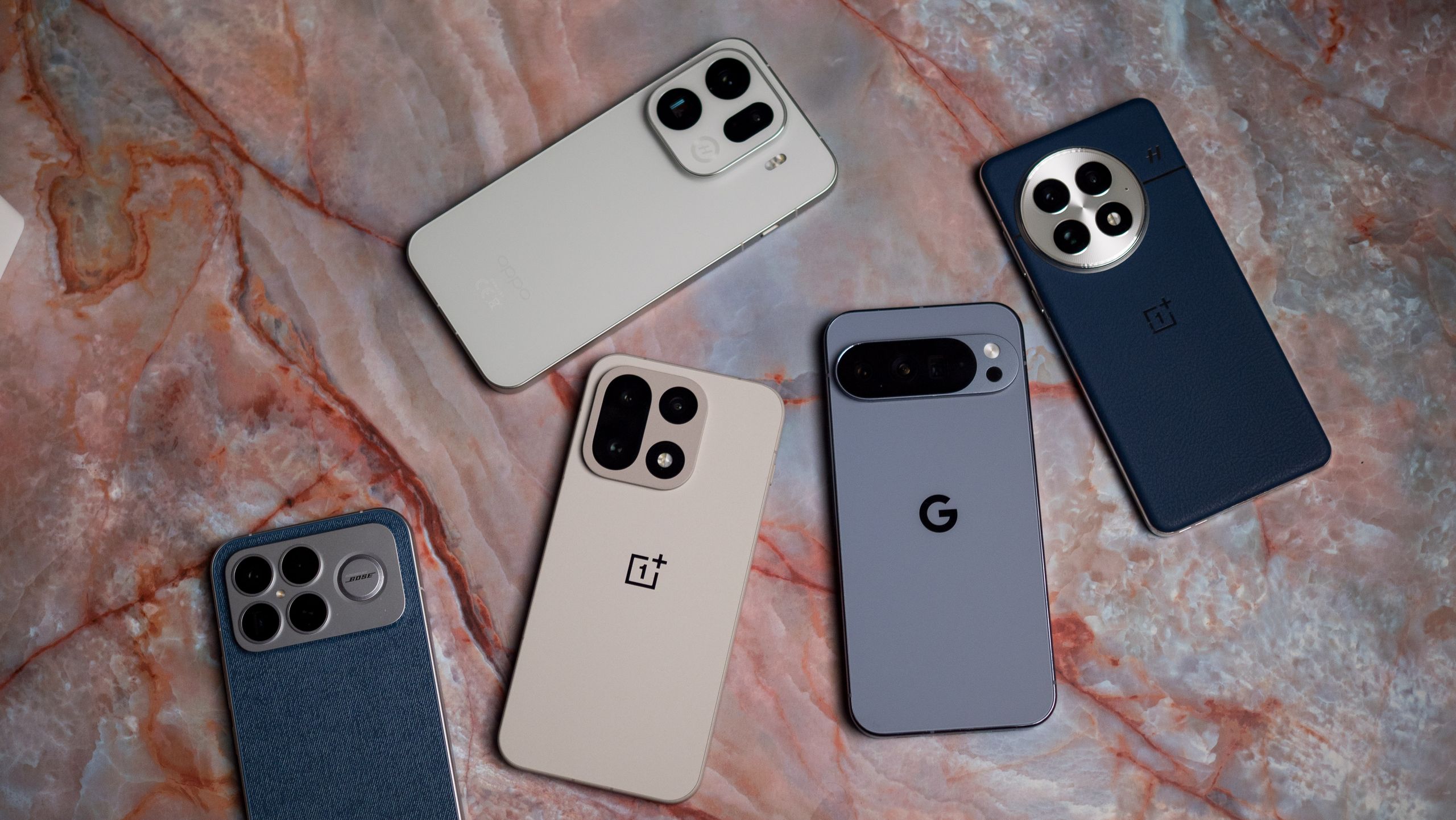
Recent benchmark comparisons show Qualcomm's Snapdragon 8 Elite Gen 5 leading Android single-core performance (Geekbench 6 single-core: 3614 vs Dimensity 9500 3391 and Tensor G5 2288) and marginally ahead in GPU tests (3DMark Wild Life score 7105; 42.55 FPS), while MediaTek's Dimensity 9500 matches or exceeds Qualcomm in multi-core (10085 vs 10785) and ray-tracing Solar Bay performance (13588 vs 13449) and demonstrates superior thermal and battery efficiency (Vivo/Find X9 Pro max ~43°C and longer battery life versus Redmagic 11 Pro crossing 48–52°C under load). Google’s Tensor G5 remains focused on AI rather than raw throughput and trails in synthetic GPU/CPU metrics but delivers acceptable real-world fluidity. These results suggest MediaTek is mounting a meaningful competitive challenge to Qualcomm on efficiency and thermal management, with potential implications for device OEM positioning and consumer demand rather than immediate market-moving financials.
Market structure: This cycle reinforces a three-way beneficiary set — foundry (TSM), IP licensor (ARM), and differentiated SoC vendors (QCOM/MediaTek). TSMC (TSM) should retain pricing power on 3nm with implied utilization >90% into H1 2026; ARM benefits as OEMs adopt C1 cores/GPU IP driving licensing uptick of mid‑teens % YoY if adoption accelerates. Qualcomm keeps a performance halo (single‑core lead), but MediaTek’s efficiency/thermal advantage signals potential ASP pressure of ~3–5% in premium Android if share shifts occur over 4–12 months.
Risk assessment: Tail risks include geopolitics (Taiwan‑China escalation) that could cut TSM 3nm output (>50% revenue shock for TSM in extreme), stricter US export controls limiting designs into China, or an EU/US antitrust action constraining Qualcomm’s licensing model. Near term (days–weeks) watch earnings/guide; short term (3–6 months) retail sell‑through and holiday orders; long term (12–36 months) architecture wins and software optimization (e.g., Google AI differentiation) determine share. Hidden dependency: OEM thermal design and software tuning—not raw silicon—will decide real world wins.
Trade implications: Tactical long TSM exposure (6–12 months) to capture 3nm scarcity and pricing; buy ARM exposure (12–24 months) for licensing upside. Hedge Qualcomm exposure: either hedge with short-dated puts (60–90 days) sized 1–2% AUM to protect vs share loss/ASP compression or use collar if long. Options: consider TSM Jan 2026 call spread to lever long thesis while selling 3–6 month calls on QCOM to harvest premium while monitoring share trends.
Contrarian angles: Consensus overweights Qualcomm’s performance lead; market is underpricing MediaTek’s thermal/efficiency gains which can win repeat flagship wins and compress QCOM margins by >200bp if MediaTek takes 3–5% share in tier‑1 Android within 12 months. Also underappreciated: Google (GOOGL) focusing on AI/software could win high‑margin differentiation without top raw benchmarks, supporting ad/Services upside vs pure hardware metrics. A key trigger to reverse views: verifiable OEM design win data (quarterly) showing Material share shifts >3ppt or TSM 3nm utilization guidance falling <85%.
AI-powered research, real-time alerts, and portfolio analytics for institutional investors.
Request DemoOverall Sentiment
mildly positive
Sentiment Score
0.25
Ticker Sentiment
