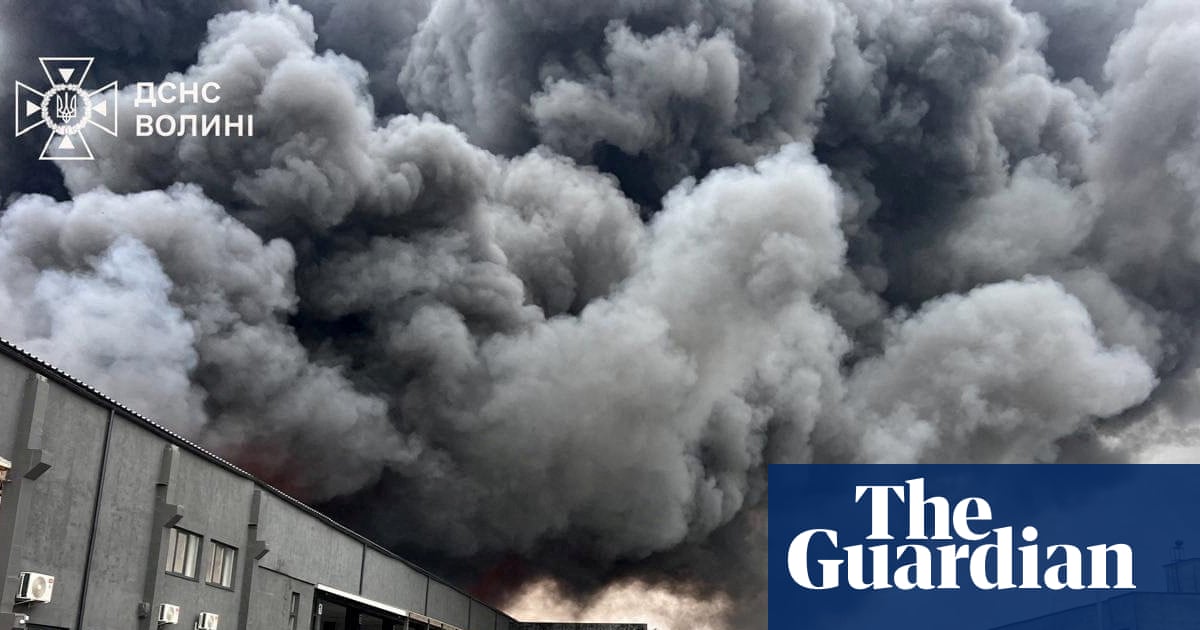
Russia launched more than 700 drones (339 overnight and over 360 during the day) in strikes that killed at least five people and destroyed infrastructure including a Nova Poshta warehouse in Lutsk. President Zelenskyy said he offered an Easter ceasefire and discussed strengthening US security guarantees with US negotiators (including Steve Witkoff, Jared Kushner and Lindsey Graham), but Russia rejected the proposal and claimed full control of Luhansk — a claim Kyiv denies. Attacks targeting energy and infrastructure increase downside risk for regional energy supply and logistics, favoring defense exposure and prompting risk-off positioning among investors.
A sustained rise in kinetic and asymmetric engagements will continue to shift demand away from commodity energy hedges and toward durable security and repair-services budgets. Expect multi-year reallocation in European and US defence procurement: authorities accelerate purchases of air-defence, EW and munitions capacity, but lead times mean most revenue realization clusters 6–24 months out.
Insurance and logistics economics will reprice non-linear risk premia across eastern European corridors — marine/air insurers and freight forwarders will widen war-risk surcharges, producing sharply higher unit costs for cross-border freight and a persistent diversion of volumes into Polish/Baltic land routes. That rerouting compresses capacity on alternative corridors and creates multi-quarter win-rates for firms owning inland terminals, short-sea operators and regional rail incumbents.
Sanctions-focused pressure on dual‑use electronics suppliers cascades upstream: constrained access to specialized semiconductors and optics will accelerate onshoring or dual-sourcing for Western defence primes, raising input-cost inflation for mid-tier suppliers but improving pricing power for vertically integrated systems vendors. Finally, political volatility raises the probability of episodic asset repricing in commodity and FX markets within days, but strategic outcomes (border lines, security guarantees) determine the multi-year winners and losers — trade sizing must therefore separate tactical hedges from structural positions.
AI-powered research, real-time alerts, and portfolio analytics for institutional investors.
Request DemoOverall Sentiment
strongly negative
Sentiment Score
-0.80
