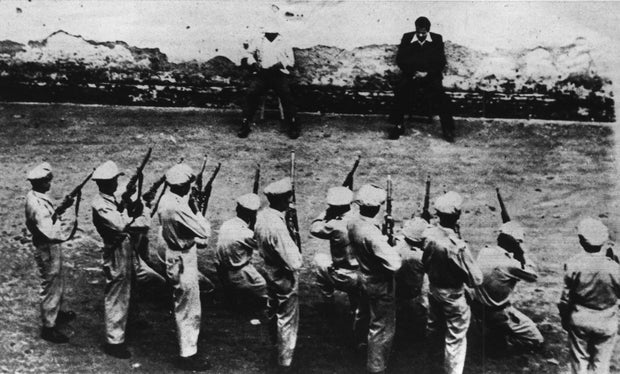
U.S. forces launched a large-scale military strike in Venezuela that resulted in the capture of President Nicolás Maduro and his wife, with the U.S. indicating Maduro will face previously filed criminal charges; the report frames the action within a long history of U.S. interventions in Latin America (Guatemala 1954, Bay of Pigs 1961, Dominican Republic 1965, support for 1970s dictatorships, Nicaragua 1979, El Salvador 1980, Grenada 1983, Panama 1989). For investors, the operation raises immediate risk-off implications for regional emerging-market assets and commodity markets (notably oil and risk premia), increases geopolitical uncertainty, and could prompt legal and sanctions-related follow-on measures that materially affect capital flows and sovereign risk in Latin America.
Market structure: Immediate winners are U.S. defense primes (LMT, GD, RTX) and short-term energy suppliers (XOM, CVX, XLE) from a risk premium on operations and potential logistical contracts; losers are Venezuelan assets, regional EM sovereign bonds and airlines/exposures to Venezuela/Caribbean where revenues could drop 10-30% regionally for 1-3 quarters. Supply/demand: crude sees a fast, tradable risk premium (5-15% upside potential within days-weeks) if shipments or PDVSA flows are disrupted; shipping insurance/war-risk premiums will tighten freight capacity and raise tanker rates. Cross-asset: expect FX weakness in LATAM (COP, CLP, ARS) and EM equities, a flight to USTs/Treasuries (TLT bid), higher gold (GLD) and elevated VIX/volatility for 2–6 weeks.
Risk assessment: Tail risks include regional escalation drawing in Russian/Chinese proxies or naval interdictions that could spike Brent +$15–25/bbl and force a formal sanctions regime; probability low (<10%) but severe for energy/insurance sectors. Time horizons: immediate (0–7 days) = volatility, options gamma trades profitable; short (1–3 months) = defense contractors and energy realize contract/newsflow; long (3–18 months) = geopolitical realignment could either normalize commodity flows or sustain higher baseline risk premia. Hidden dependencies: degree of PDVSA asset control, Chinese/Russian oil purchases, and U.S. domestic political reaction—each can reverse price moves quickly. Catalysts: U.S. sanctions lists, PDVSA production reports, OPEC+ meeting decisions and Venezuelan output/exports data.
Trade implications: Direct plays—establish 2–3% long positions in LMT and RTX (or buy 3‑month call spreads) for defense procurement upside; allocate 1–2% to GLD; buy 30–60 day Brent/WTI call spreads ~10–15% OTM to capture transient oil spikes. Hedging/shorts—buy 1–2% VIX call spread or VXX calls; initiate short EEM (or buy 2–3 month puts) for EM equity/FX downside; cut EM sovereign credit/HYG exposure by 50% vs benchmark until 60 days pass. Entry: act within 48 hours for volatility trades, reprice and reassess at 30/60-day marks; exit if oil moves >10% adverse to entry or if volatility normalizes by 50%.
Contrarian angles: Consensus may overpay defense equities—historically (Panama 1989) military interventions created spike-and-mean-revert flows: energy spikes faded in 2–3 months once exports stabilized. Missing view: capture of Maduro could lead to faster normalization if U.S.-backed transition restores PDVSA exports—this risks a 10% downside to oil from the spike and a 5–10% pullback in defense names. Use asymmetric, limited-loss option structures (call spreads rather than naked calls) and set stop thresholds: close energy longs if Brent falls 10% from its event peak within 60 days, add protection to EM shorts if EEM drops 8–10% from entry.
AI-powered research, real-time alerts, and portfolio analytics for institutional investors.
Request DemoOverall Sentiment
moderately negative
Sentiment Score
-0.35
