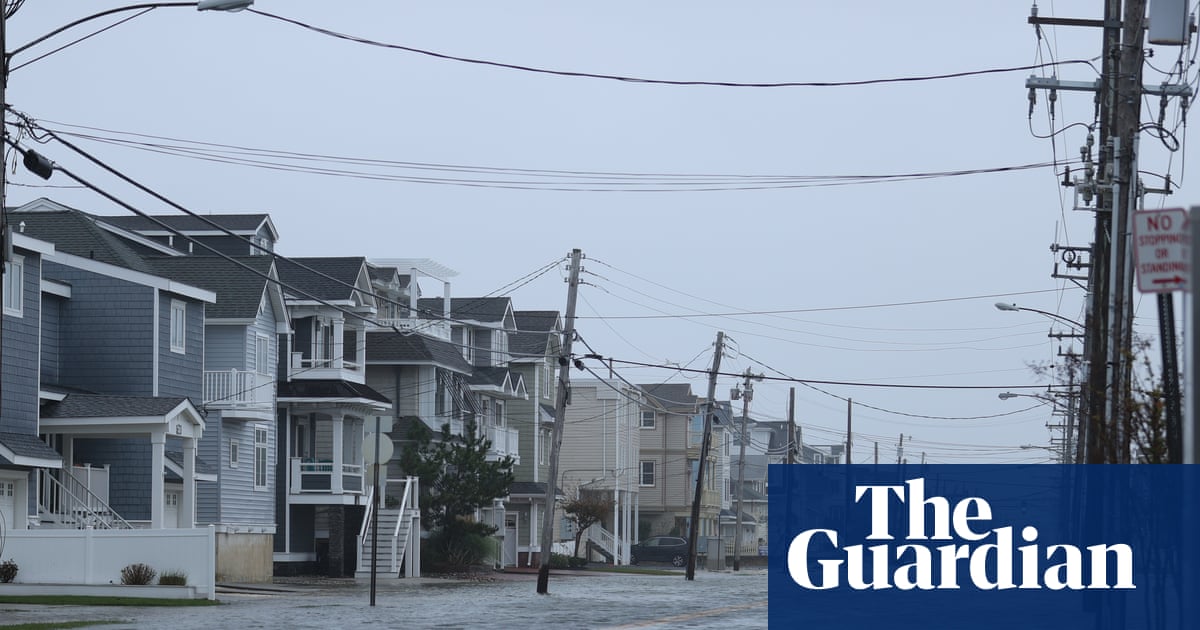
Severe weather is impacting both U.S. coasts, with a nor'easter causing widespread flooding and high winds from the Carolinas to New England, and remnants of Typhoon Halong leading to significant property damage and potential casualties in western Alaska. State of emergencies have been declared in New Jersey and parts of New York, where coastal areas anticipate potentially the highest tides in over a decade, resulting in travel disruptions and event cancellations. These concurrent events suggest potential short-term impacts on regional economies, infrastructure, and the insurance sector due to property damage and operational interruptions.
The U.S. is currently experiencing significant weather-related disruptions on both coasts, with a nor'easter impacting the Eastern Seaboard from the Carolinas to New England, and remnants of Typhoon Halong causing severe damage in Western Alaska. These concurrent events have led to widespread flooding, high winds, and substantial property damage, prompting emergency declarations across affected regions.
On the East Coast, states of emergency have been declared in New Jersey and parts of New York, where coastal areas are bracing for potentially the highest tides in over a decade, accompanied by 45-60 mph wind gusts and up to 3 inches of rain. This has resulted in travel disruptions, event cancellations, and localized infrastructure impacts such as seawater inundation of Highway 12 and nuisance flooding in areas like Freeport.
In Western Alaska, the remnants of Typhoon Halong have caused houses to be ripped off their foundations, with reports of up to 20 people potentially unaccounted for in isolated communities. The Alaska governor has extended a disaster declaration, highlighting the severe humanitarian and property damage in these remote areas.
The collective impact of these events suggests potential short-term strain on regional economies, critical infrastructure, and the insurance sector due to extensive property damage and operational interruptions. The overall sentiment is extremely negative, with a notable market impact score of 0.6, indicating material financial implications for affected regions and related industries.
AI-powered research, real-time alerts, and portfolio analytics for institutional investors.
Request DemoOverall Sentiment
extremely negative
Sentiment Score
-0.80
Ticker Sentiment
