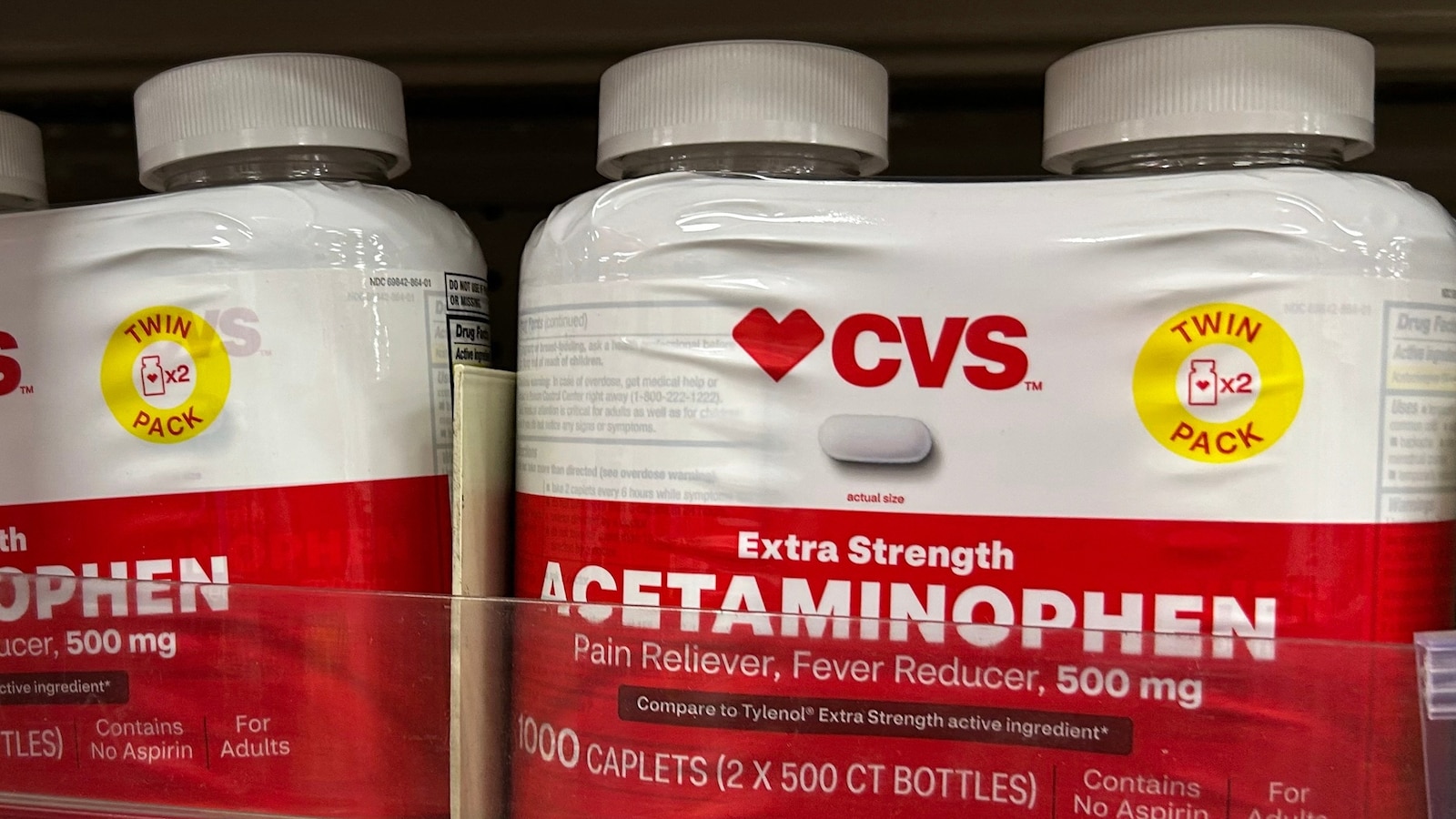
A Lancet Obstetrics, Gynecology & Women's Health meta-analysis of roughly 60 studies, emphasizing sibling-comparison designs, found no causal link between labeled use of acetaminophen during pregnancy and autism, ADHD or intellectual disability. The finding counters prior observational associations and high-profile political statements, draws supportive alignment with ACOG guidance, and reduces potential reputational or regulatory risk for acetaminophen manufacturers (e.g., Kenvue), though direct market or legal exposure appears limited in the near term.
Market structure: The Lancet sibling-comparison review materially reduces a primary demand shock risk for OTC acetaminophen, supporting steady unit volumes for brand incumbents (Kenvue/NYSE:KVUE) and distributor channels. Expect negligible price elasticity change; manufacturers retain pricing power tied to brand and supply contracts, not safety sentiment, implying stable gross margins over the next 6–12 months absent raw‑material shocks.
Risk assessment: Tail risks remain regulatory (FDA/HHS reversal or litigation), reputational (viral social-media scares) and supply (API plant outage). Immediate window (days–weeks) is social-media volatility; short term (1–3 months) is sales and PR normalization; long term (6–24 months) is legal/regulatory resolution and routine demand — probability-weighted downside to KVUE equity ~5–12% if adverse actions occur.
Trade implications: Primary actionable tilt is pro-consumer-staples/OTC: KVUE and large defensive names should outperform cyclical/healthcare small-caps if evidence solidifies. Options: lower IV on KVUE and peers should compress; consider selling modest cash‑secured puts to establish long exposure or covered-call overlays to monetize stability over 45–90 day windows. Bonds/FX/commodities: negligible direct impact; reduced idiosyncratic equity volatility should modestly compress CDS spreads on consumer-health issuers.
Contrarian angles: Consensus underestimates litigation tail — HHS critique suggests future studies or suits could reignite fears; a buy-the-dip on KVUE at >8–12% pullback is attractive. Conversely, if sibling‑design meta‑analysis becomes widely accepted, smaller OTC private-label manufacturers (lower marketing spend) may lose share slowly — consider relative long branded (KVUE) vs short low-margin private label exposure over 12–24 months.
AI-powered research, real-time alerts, and portfolio analytics for institutional investors.
Request DemoOverall Sentiment
neutral
Sentiment Score
0.05
Ticker Sentiment
