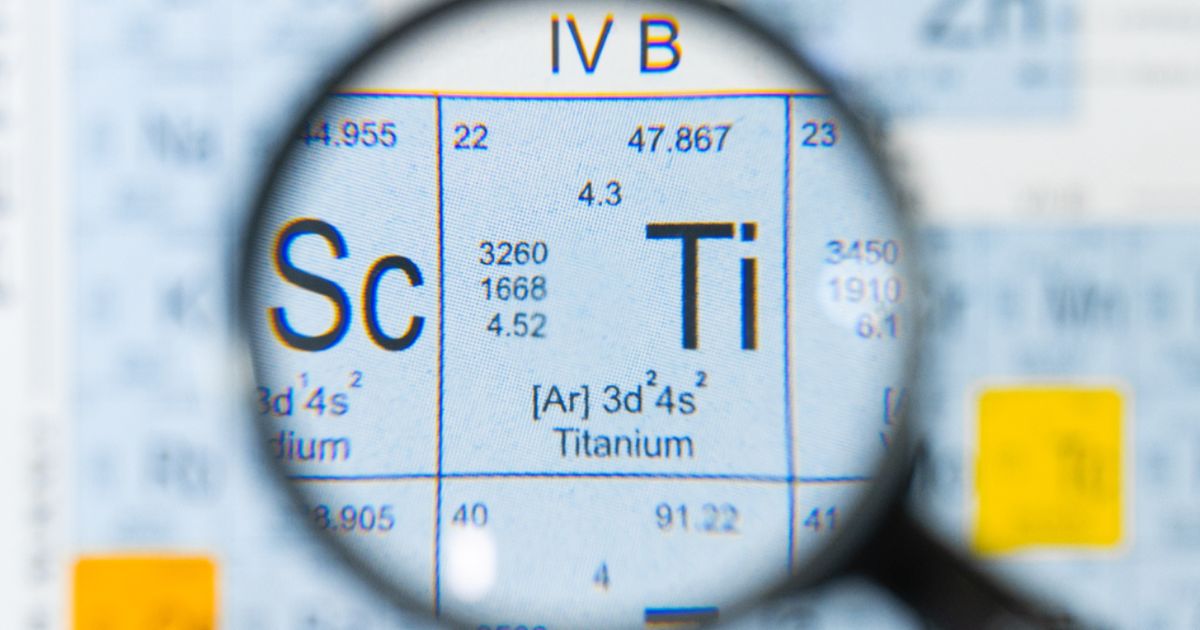
M2i Global has entered an agreement with Australia-based Titanium X and its partners to source beneficiated ilmenite for rebuilding US titanium processing capacity, and plans to define, locate and fund a domestic processing facility. The company is collaborating with UC Berkeley on cleaner, more efficient processing technologies, and expects a business combination with Volato (NYSE American: SOAR) to close within 8–12 weeks to support funding of its critical-minerals initiatives, with offtake agreements targeted to begin in early 2027.
Market structure: The deal materially favors onshore integrators and aerospace/defense OEMs that value secure U.S. titanium supply (beneficiaries include the aerospace ETF ITA) and upstream Australian ilmenite suppliers; incumbent foreign processors and middlemen that arbitrage imported sponge/ingot prices are the losers. Competitive dynamics will shift slowly—expect meaningful US processing capacity to take 12–36 months to commission, so pricing power for processors could be diluted by 10–30% vs current import premia once facilities start in 2027. Supply/demand: near-term global feedstock balance changes negligibly (<~5% incremental supply in 12 months) so prices should remain supported until US plant commissioning; offtake timing (early 2027) is the key pivot.
Risk assessment: Tail risks include SPAC/Volato deal failure (material, ~20–30% probability), CFIUS/permits blocking facilities, partner shipment delays, or Berkeley tech not scaling; any of these can trigger >50% downside for MTWO/SOAR-style equity. Time horizons split: days–weeks = volatility around SPAC close (8–12 weeks cited); months = first shipments and offtake contracts; 12–36 months = capex and commercial processing ramp. Hidden dependencies: SPAC financing, partner metallurgical performance, and U.S. permitting are all binary; failure cascades into dilution or project mothballing.
Trade implications: Tactical: use a concentrated, time-boxed approach—size exposure small (1–3% net per trade), use options to cap downside. Prioritize long SOAR (post-SPAC close) via 6–9 month call spreads to capture re‑rating if shipments/offtake confirm; rotate into REMX (rare/strategic metals ETF) as thematic 12–24 month play. Hedge with modest short exposure to broad materials (e.g., XLB) or sell calls if you hold miners to protect against a 20–30% dilution event.
Contrarian angles: Consensus underestimates capital intensity and dilution risk—histor parallels to rare-earth onshoring show multi-year delays and >50% equity dilution even when projects succeed. The market may underprice the chance that Berkeley tech fails to scale, leaving expensive US plants and depressed returns; if SPAC funding proves inadequate, downside is asymmetric. Conversely, if first shipment + SPAC close occur within 3 months, selected equities could rerate 30–70% on offtake visibility.
AI-powered research, real-time alerts, and portfolio analytics for institutional investors.
Request DemoOverall Sentiment
mildly positive
Sentiment Score
0.35
Ticker Sentiment
