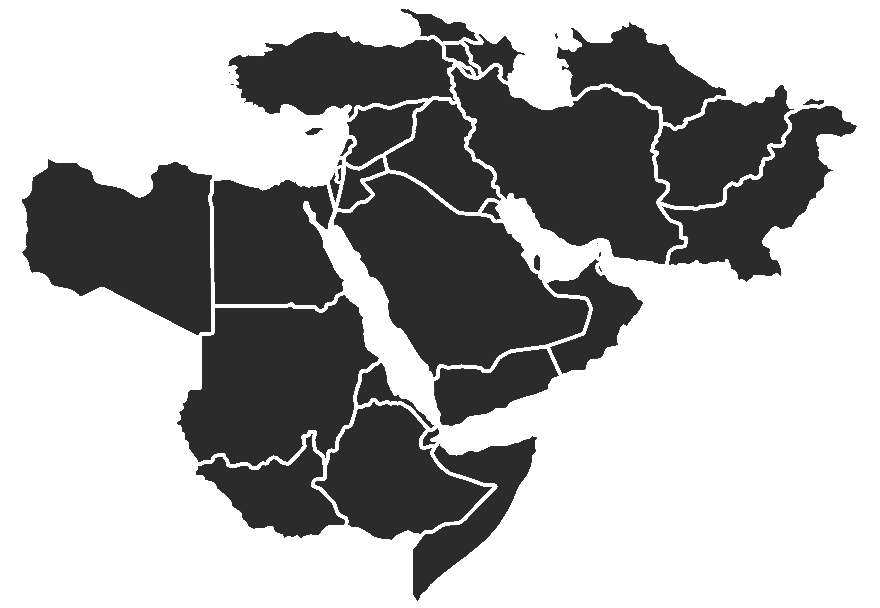
Iran is escalating pressure in the Strait of Hormuz by imposing new transit rules that some vessels appear to be following, while also signaling tighter control over shipping and the risk of disruption to global oil flows. The article also highlights continued drone-related escalation, including Iran’s reported deployment of 10,000 FPV drones to its ground forces and likely transfers of FPV technology to Hezbollah and Iraqi militias. In Lebanon, the IDF is preparing to expand ground operations in response to Hezbollah drone attacks, underscoring a widening regional conflict with meaningful implications for energy, shipping, and defense risk premia.
The market is still underpricing how quickly a maritime “customs regime” can harden into a quasi-normal operating framework. If a meaningful share of tankers begins routing, signaling, or paying fees to preserve access, the near-term winner is not generic energy but the logistics intermediaries, marine insurers, and states that can offer compliant off-ramps; the loser is any LNG exporter relying on just-in-time Hormuz throughput, because even modest friction raises demurrage, freight, and insurance costs before physical supply is interrupted.
For LNG specifically, the bigger second-order risk is not a full closure but a persistent widening between prompt and deferred cargo economics. Qatar-linked flows and UAE workarounds suggest optionality is being monetized through secrecy, vessel behavior, and selective noncompliance, which tends to widen realized discounts for producers with less routing flexibility and reward counterparties with storage or alternative shipping capacity. That setup is structurally negative for spot-sensitive LNG names and positive for firms with exposure to charter rates, port services, and route diversification.
The drone transfer angle matters beyond the Levant: low-cost FPV proliferation lowers the threshold for asymmetric denial campaigns against ports, air-defense nodes, and rear-area logistics. That raises the probability of intermittent, hard-to-model disruptions rather than headline-grabbing strategic strikes, which is usually bad for vol sellers and good for long-duration defense cash flows. The key catalyst window is days to weeks, not months: any additional attack near UAE energy infrastructure or a visible uptick in tanker compliance could reprice transport risk quickly, while a ceasefire or credible US naval escort regime would compress it just as fast.
Consensus appears too focused on whether Hormuz is "closed" and not enough on whether the marginal barrel becomes structurally more expensive to move. That distinction matters because equity markets typically wait for a catastrophic supply shock, while freight, insurance, and regional security premiums re-rate earlier and can persist longer. If Iran succeeds in normalizing partial control, this is a regime-change in maritime pricing rather than a one-off geopolitical headline.
AI-powered research, real-time alerts, and portfolio analytics for institutional investors.
Request DemoOverall Sentiment
moderately negative
Sentiment Score
-0.35
Ticker Sentiment
