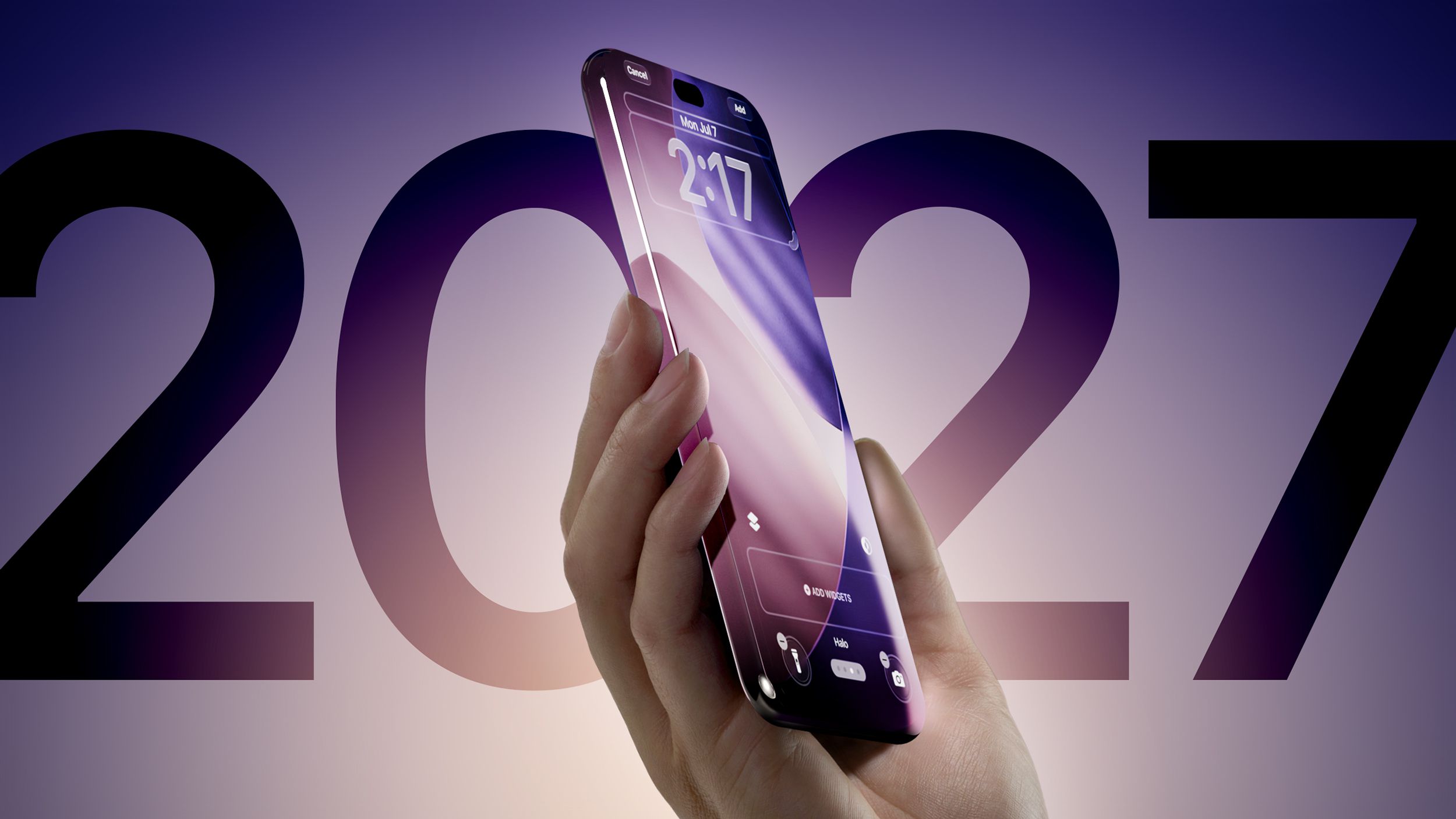
Apple is reportedly testing solid-state haptic buttons for the rumored 20th-anniversary iPhone, with support claimed for gloves, wet hands, extreme temperatures, and operation even when powered off via an ultra-low-energy microprocessor. The device is also rumored to feature a wraparound display, under-display Face ID and camera, a 6,000mAh battery, and reverse wireless charging, but these details remain unconfirmed and largely speculative. The launch is expected in fall 2027, so near-term market impact is limited.
If Apple really pushes a zero-cutout industrial design, the primary economic value is not the button itself but the normalization of a higher-spec, higher-ASP chassis architecture. The meaningful second-order beneficiary is the mechanical components supply chain getting progressively disintermediated over a multi-year horizon, while haptics, microcontrollers, and advanced display stack vendors gain content share per unit. That said, this is still a design-intent rumor, not a procurement signal; the market should treat it as a 12-24 month option on future BOM migration rather than a near-term earnings driver for AAPL. The bigger strategic read-through is that Apple may be using the 20th-anniversary device to reset the premium smartphone replacement cycle. A visually differentiated form factor plus under-display integration could extend upgrade urgency among high-income users, which matters more than unit growth given the saturated installed base. The upside case is modest but durable: even a low-single-digit ASP lift on the flagship mix can lever services attach and margin mix over several cycles, especially if the design becomes a halo that pulls older Pro users forward. The contrarian risk is execution fatigue. Apple has repeatedly telegraphed this exact category of feature and then delayed it, which means the market may already be implicitly assigning too much probability to a clean 2027 launch. If the industrial redesign slips, the setup flips from product-catalyst bullish to expectation reset bearish, and suppliers positioned for a content uplift could de-rate before Apple even ships. The most interesting risk is that an all-glass aesthetic may increase repair costs and durability concerns, which can temper consumer enthusiasm and invite regulatory scrutiny around right-to-repair if failure rates rise.
AI-powered research, real-time alerts, and portfolio analytics for institutional investors.
Request DemoOverall Sentiment
neutral
Sentiment Score
0.10
Ticker Sentiment
