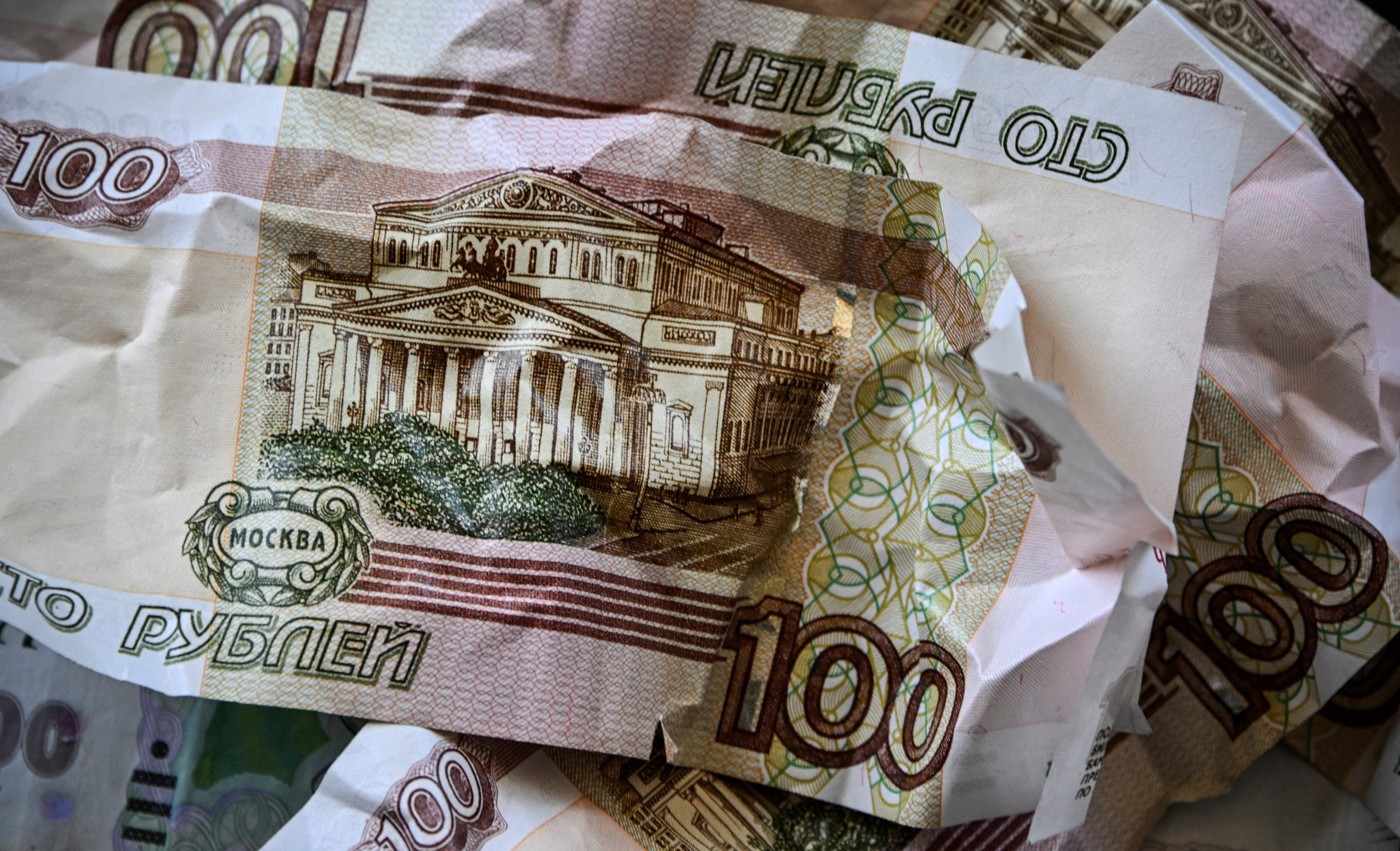
Russia's classified federal spending has risen to 12.12 trillion rubles ($152 billion), or 29.22% of the total budget, with a significant portion allocated to national defense and security amid the Ukraine invasion. Experts suggest this increase in secret spending indicates rising war costs, including recruitment, weapons, and ammunition. While high energy prices have previously supported these expenditures, potential budget cuts, increased borrowing, or tax hikes may be necessary in the future to sustain military spending.
Russia's federal budget is increasingly characterized by opacity, with classified expenditures surging to 12.12 trillion rubles ($152 billion), representing 29.22% of the total budget, an increase from 11.1 trillion rubles ($121.19 billion) in the preceding year. This marked rise in secret spending, as highlighted by experts like Janis Kluge and Yakov Yakubovich, is predominantly attributed to escalating military costs associated with the full-scale invasion of Ukraine, encompassing national defense, security, recruitment, weapons, and ammunition. The rationale for such secrecy, according to Yakubovich, includes shielding Russian companies involved in the war effort from further Western sanctions. While high energy prices previously enabled Moscow to absorb these increased military outlays since 2022, Kluge suggests that current fiscal realities may compel the Russian government to explore budget cuts, increased borrowing, or tax hikes to sustain its war financing. This situation underscores the growing economic strain and questions the long-term sustainability of Russia's current fiscal trajectory, further compounded by the classification of detailed demographic data amid a plunging birth rate and population decline exacerbated by war-related losses and emigration.
AI-powered research, real-time alerts, and portfolio analytics for institutional investors.
Overall Sentiment
strongly negative
Sentiment Score
-0.70
Ticker Sentiment
