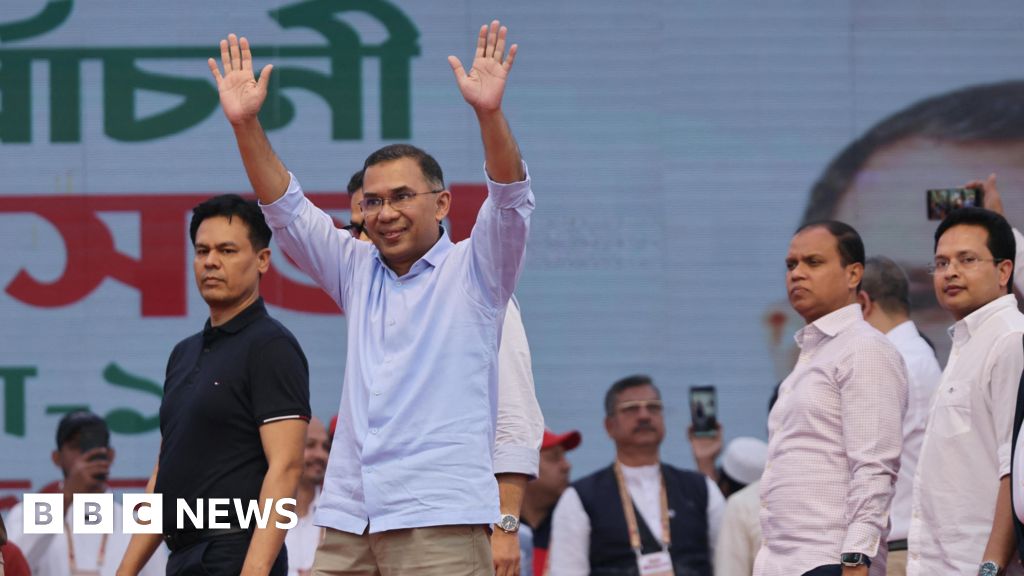
Bangladesh has seen a sudden political reversal as the Bangladesh Nationalist Party, led for the first time in an election by Tarique Rahman, won a landslide after the Awami League was barred, returning BNP and allied parties (including Jamaat and newcomer NCP) to power; 300 of 350 parliamentary seats are elected, with 50 women’s seats allocated proportionally. The incoming government faces immediate governance and economic challenges — restoring democratic and financial institutions reportedly 'destroyed' over the prior decade, reining in post-election violence, reducing food prices, and creating jobs for a large youth cohort — all of which raise policy and implementation risk for fiscal stability, banking-sector confidence and investor sentiment in Bangladesh. Political uncertainty, questions over the Awami League’s future participation, and the entry of ideologically contentious parties increase near-term tail risks for markets and foreign investors.
Market structure: A BNP-led, inexperienced coalition increases near-term idiosyncratic political risk in Bangladesh, benefiting global safe havens and USD liquidity while hurting domestic incumbents, politically connected construction/utility contractors, and short-duration sovereign paper. Expect a 3–7% BDT depreciation and sovereign spread widening of +150–300bps within 30–90 days if protests or donor caution persist; exporters (RMG) are a conditional winner only if ports/rail networks remain functional.
Risk assessment: Tail risks include large-scale unrest, military intervention, donor suspension/IMF program pause, or targeted asset freezes — each could add >300bps to spreads and cut exports by >10% for a quarter. Near-term (days) volatility spikes; short-term (weeks–months) anti-corruption probes and legal actions could trigger corporate shocks; long-term (quarters–years) outcomes hinge on IMF/World Bank re-engagement and restoration of trade preferences.
Trade implications: Tactical cross-asset moves: higher USD exposure and buying EM credit protection are priority hedges; selectively short frontier exposure versus broad EM indices if political risk premiums widen. If sovereign spreads breach +250bps or equity drawdowns exceed 25% from pre-election levels, selectively accumulate long-duration sovereign debt and domestic banks on signs of IMF re-entry (3–12 month horizon).
Contrarian angles: Markets may overprice permanent exclusion of Awami League; if BNP delivers transparent audits and secures IMF conditionality within 90 days, expect rapid tightening — sovereign spreads could retrace 100–200bps and local equities rebound 20–40% over 6–12 months. Key mispricing: current premiums likely reflect event risk but underweight the upside of a credible reform/aid restart; use thresholds (IMF staff visit, release of audit, donor statements) to flip positions.
AI-powered research, real-time alerts, and portfolio analytics for institutional investors.
Request DemoOverall Sentiment
moderately negative
Sentiment Score
-0.30
