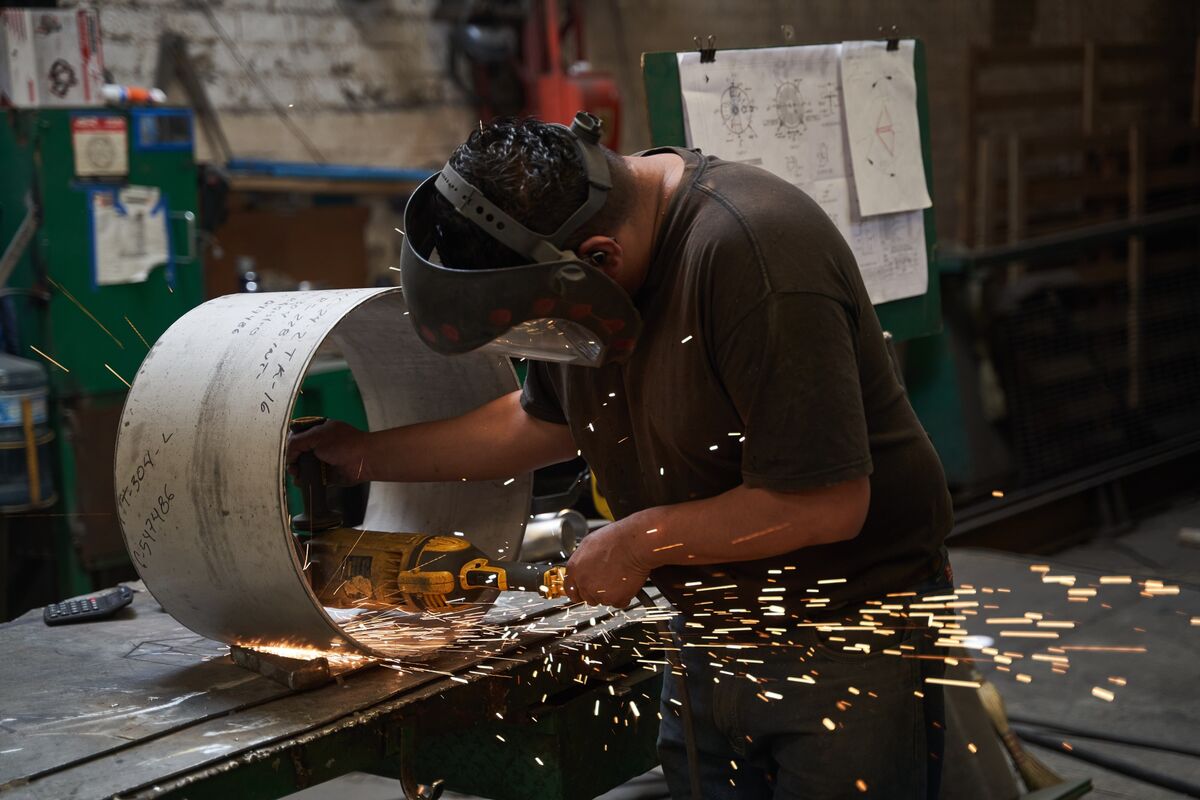
US and Mexican trade negotiators are nearing an agreement on a steel import quota system designed to reduce tariffs on a specific volume of Mexican steel. This framework aims to alleviate current duties on essential steel imports for US automakers and other industries, thereby addressing concerns of American manufacturers.
Trade negotiations between the US and Mexico are advancing toward a resolution on steel tariffs, with a quota system emerging as the likely framework. This proposed structure would reduce duties on a specific volume of Mexican steel, directly addressing the cost pressures faced by US industries, particularly automakers, that depend on these "essential" imports. The language suggests a carefully balanced compromise; while it alleviates "crushing duties" for US consumers of steel, the implementation of a quota rather than a full tariff elimination is designed to protect and "assuage concerns" of domestic American steel manufacturers by limiting the volume of lower-cost imports. This development points to a more nuanced approach to trade policy, aiming to stabilize key industrial supply chains and mitigate inflationary pressures on raw materials without completely dismantling protections for domestic producers. The moderately positive sentiment and significant market impact signal that markets view this de-escalation favorably, anticipating improved cost structures for steel-dependent sectors.
AI-powered research, real-time alerts, and portfolio analytics for institutional investors.
Request DemoOverall Sentiment
moderately positive
Sentiment Score
0.50
