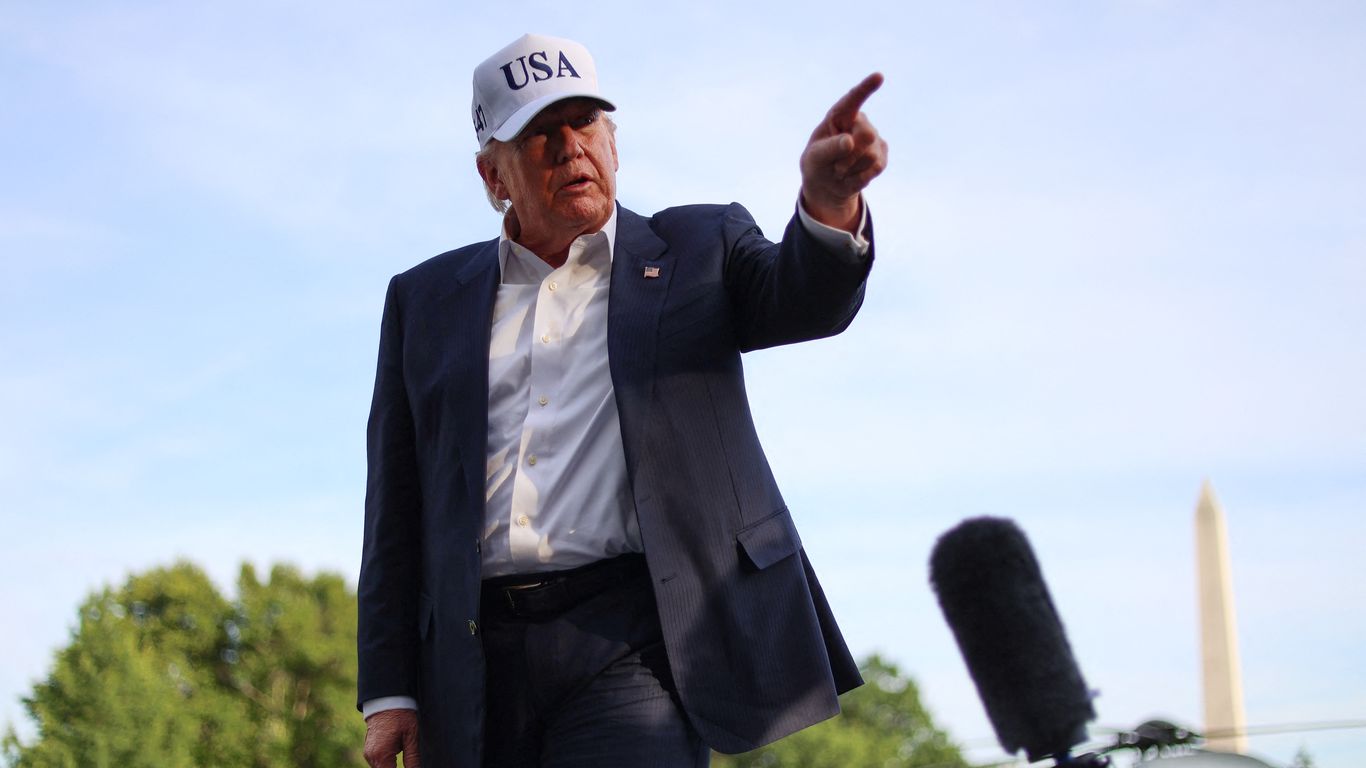
Trump said he planned to strike Iran "tomorrow" but is delaying the attack to allow negotiations another chance, after an updated Iranian peace proposal was deemed insufficient. He said he has instructed Defense Secretary Pete Hegseth and Gen. Dan Caine to suspend plans while remaining ready for a large-scale assault if no acceptable deal is reached. The geopolitical risk is high, with potential spillover into oil, energy infrastructure, and broader Middle East markets.
The market implication is less about the binary of an immediate strike and more about the probability distribution of repeated escalation/reprieve cycles. That pattern tends to keep front-end energy vol elevated, steepen the geopolitical risk premium in crude, and intermittently pressure airline, chemical, and industrial input-cost spreads without yet forcing a full macro growth de-rating. The longer this remains a live threat, the more allocators will pay for convexity rather than directional beta.
The biggest second-order winner is not just upstream energy, but any asset that benefits from higher implied volatility in commodities and rates: short-dated oil calls, energy dispersion trades, defense primes, and physical logistics names with pricing power. The losers are the most oil-sensitive balance sheets with low pricing flexibility, especially airlines and select EM importers, because even a temporary spike in crude can tighten credit spreads faster than spot equity prices reflect. A meaningful escalation would also pressure shipping insurance, Gulf regional equities, and industrial cyclicals exposed to Middle East supply chain chokepoints.
The key catalyst window is days, not months: every new headline around attack authorization, suspension, or negotiations materially shifts crude options skew and defense ordering expectations. The contrarian view is that the repeated delay itself may be suppressing realized volatility more than the situation warrants, creating a chance to buy cheap convexity before a true regime break. The market may be underpricing the probability that even a limited strike triggers asymmetric retaliation against energy infrastructure rather than a clean, short-lived headline event.
AI-powered research, real-time alerts, and portfolio analytics for institutional investors.
Request DemoOverall Sentiment
strongly negative
Sentiment Score
-0.65
