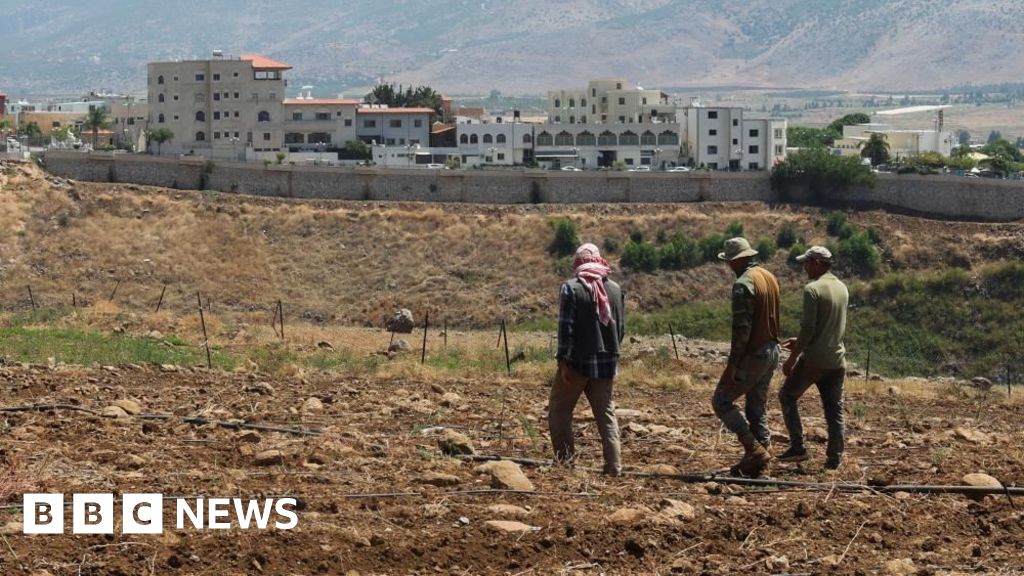
Lebanese authorities say Israeli aircraft sprayed glyphosate over southern villages at concentrations reportedly between 20 and 30 times normally accepted levels, prompting condemnation from President Aoun and a planned formal complaint to the UN Security Council. The incident risks further damaging agriculture-dependent areas (olive groves, tobacco) in the south and Bekaa, complicating returns for tens of thousands displaced after the 2023-24 conflict and adding to sector losses that the FAO estimated at over $700m from the conflict, while health risks remain contested between WHO/IARC and other regulators.
Market structure: Near-term winners are defense/security suppliers (Elbit ESLT, RTX, LMT) and specialty remediation/water-treatment firms (Ecolab ECL, Xylem XYL) as demand for border security and decontamination services rises; losers are Lebanese agricultural producers and any listed regional food exporters (localized supply shock, potential regional premium on specialty crops). Pricing power shifts modestly—defense names can command 5–15% premium in a 30–90 day risk-off window while local agricultural output may fall by an estimated 10–30% in the affected micro-regions, tightening niche supply but not global staples.
Risk assessment: Tail risks include escalation to cross‑border conflict (low-probability, high-impact: oil +$5–$15/bbl, equities down 3–6%) and accelerated global regulatory action on glyphosate (6–18 months) leading to fresh litigation exposure for agrochemical majors. Immediate (days) risks are localized humanitarian and UN operational disruptions; short-term (weeks) sees risk-premium reprice in EM and commodity-linked assets; long-term (quarters) could bring sustained litigation/regulatory cycles impacting Bayer/BAYRY and Corteva/CTVA margins. Hidden dependencies: refugee flows, insurance losses, and remediation demand create second-order revenue for specialty services.
Trade implications: Direct plays: establish tactical 1–2% long positions in ESLT and 1% long ECL/XYL for remediation exposure; hedge regulatory/legal risk with 1% protective put on BAYRY (3–6 month, 10–15% OTM). Use pair trade: long ESLT (1.5%) vs short BAYRY (1%) to express defense upside vs agrochemical regulatory risk. Options: buy 3-month call spreads on ESLT to cap cost and buy 6-month puts on BAYRY to asymmetrically protect vs litigation headlines. Rotate out of frontier/sovereign Lebanon exposure; increase Treasury and GLD allocation by 1–2% as flight-to-safety hedge.
Contrarian angles: The consensus defense rally can be overbought—historical parallels (2006 Lebanon flare-up) show risk-premiums compressed within 3–6 months, so favor short-duration options vs long-duration buys. Markets likely underprice remediation/water-treatment beneficiaries—ECL/XYL may rerate 10–25% if remediation contracts follow UN/NGO funding within 3–9 months. Unintended consequence: rapid de-escalation would leave defense longs exposed to mean reversion; size positions small (1–2%) and use option structures to control drawdowns.
AI-powered research, real-time alerts, and portfolio analytics for institutional investors.
Request DemoOverall Sentiment
moderately negative
Sentiment Score
-0.45
