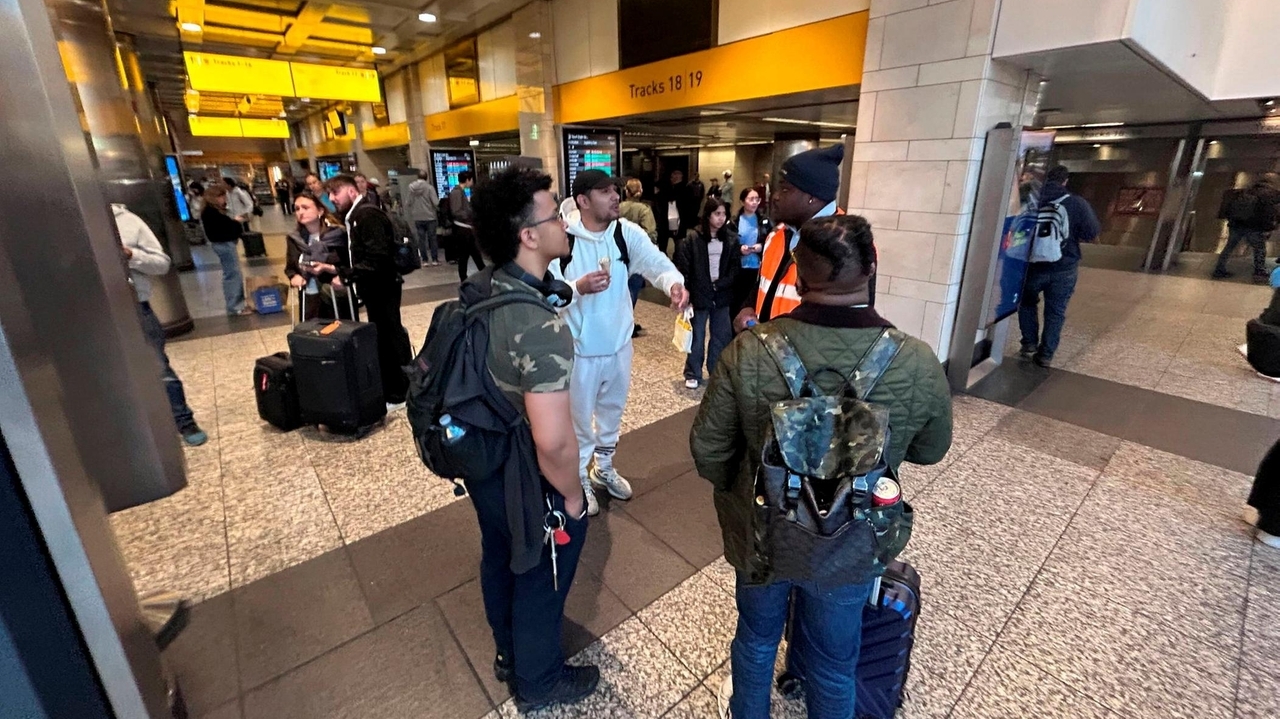
Long Island Rail Road service from Penn Station was shut down after an electrical track fire in the East River tunnels, with Amtrak and FDNY saying repairs would continue overnight. The MTA warned that Friday morning rush-hour service could be delayed, rerouted or canceled, with most trains diverted to Grand Central and some service cross-honoring subway tickets. The disruption affects commuter rail operations and creates uncertainty for the morning commute, though it is likely a temporary operational issue rather than a broader market event.
The immediate economic hit is not the transit operator’s revenue line; it is the high-cost substitution across the city’s labor market. When rail service into a dense commuter hub fails, the first-order loss is time, but the second-order winners are ride-hail, taxis, parking operators, and to a lesser extent suburban retail as commuters convert same-day plans into local consumption or skip travel entirely. The real market sensitivity is to whether the disruption is measured in hours versus multiple sessions: a one-night event is noise, but a repeat incident within weeks would begin to look like a reliability problem that pushes marginal riders toward permanent modal substitution.
For listed transport and mobility names, the setup favors a short-lived spike in urban ground transportation demand rather than a sustained trend. The more durable loser is the rail ecosystem’s “trust premium” — repeated cancellations increase elasticity toward hybrid work and reduce the willingness of premium commuters to pay for monthly passes, which matters more than the single-day fare impact. Infrastructure contractors with tunnel, signal, or emergency power exposure could see an incremental policy tailwind if the incident prompts accelerated capex, but that benefit is slow-burn and likely not visible in the next quarter.
The key catalyst is restoration timing. If normal service resumes by the next peak commute, the event fades into a headline risk; if it extends into the morning peak, the operational pain compounds via absenteeism, missed connections, and congestion spillovers across the subway and road network. The contrarian angle is that the market often underestimates how much resilience is already embedded via cross-honoring and alternate terminals, so the true P&L impact on public transit is limited unless there is evidence of structural damage or multi-day repairs.
AI-powered research, real-time alerts, and portfolio analytics for institutional investors.
Request DemoOverall Sentiment
mildly negative
Sentiment Score
-0.40
Ticker Sentiment
