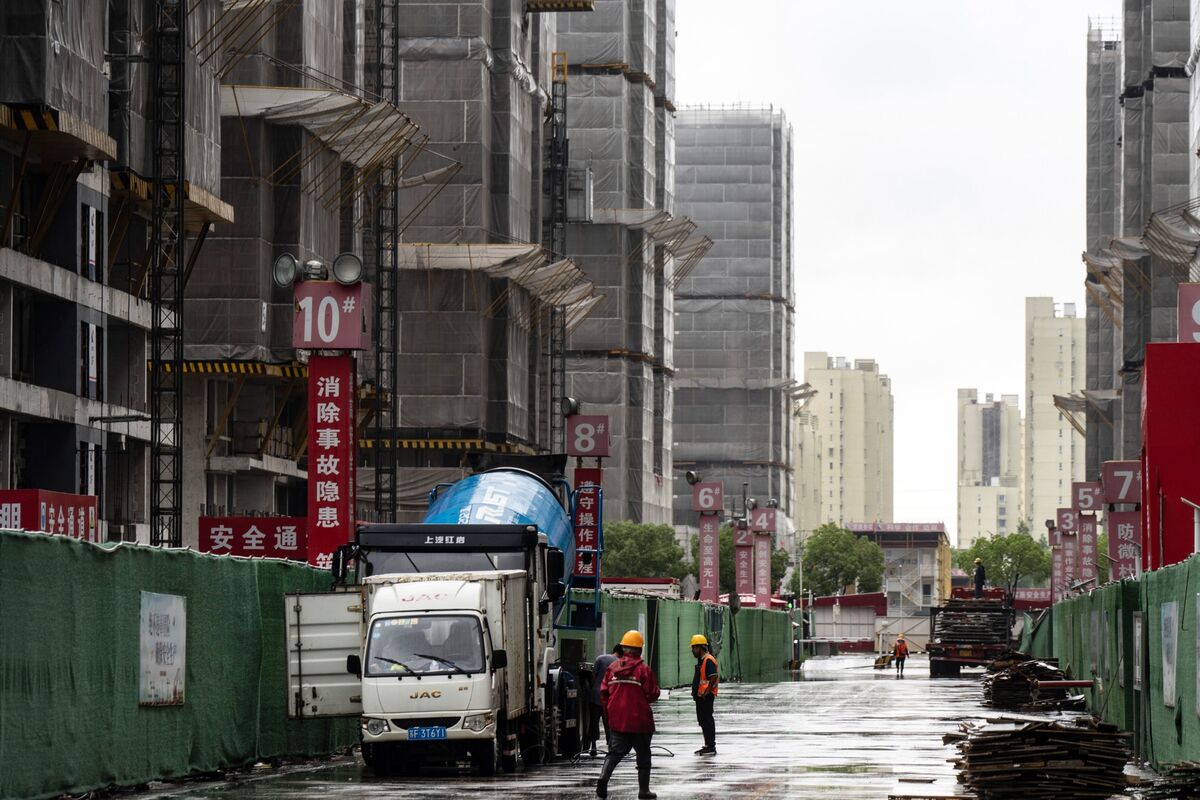
Shanghai authorities have carried out a “special campaign” removing over 40,000 social media posts on Xiaohongshu and Bilibili in under three weeks for expressing pessimism about the housing market, the Shanghai branch of the Cyberspace Administration of China said. The targeted censorship underscores authorities' efforts to manage deteriorating property-market sentiment in the city and highlights regulatory risk for platforms and investors exposed to Chinese real estate and online-media sectors.
Market structure: Short-term winners are large, state-aligned platforms (e.g., Tencent 0700.HK, Alibaba affiliates) and incumbent media that can absorb compliance costs; losers are niche UGC/video players (BILI) and ad-dependent SMEs whose engagement and CPMs will fall. The censorship is a demand-side intervention — it masks negative sentiment but does not remove unsold housing stock, implying sustained weakness in property-related demand and downstream materials (steel, cement) over 6–12 months. Cross-asset impact: expect higher spreads on China property HY USD bonds (+200–500bp tail risk), weaker CNH if contagion spreads (>7.0 critical level), and higher realized vol on China internet names (IV +5–15 pts short term).
Risk assessment: Tail risks include a coordinated regulatory escalation (platform fines, forced content policing) that could cut BILI revenues 15–40% over 3–6 months, or a systemic property default wave that forces PBOC/Treasury fiscal backstops and yuan depreciation. Immediate (days) effect = traffic/ad-revenue shock; short-term (weeks–months) = earnings misses and multiple compression; long-term (quarters–years) = structural monetization decline if user migration to private channels persists. Hidden dependencies: ad algorithms, advertiser risk tolerances, and US ADR delisting politics; catalysts that could reverse include targeted liquidity support for developers or clear policy communication in 30–90 days.
Trade implications: Directly short BILI via options or equity — expect 20–40% downside probability within 3 months; consider long-large-cap Chinese internet (0700.HK) vs short BILI pair trade to capture rotation to compliant giants. Use options: buy 3-month 20% OTM puts on BILI and KWEB (or put spreads to limit premium) and sell cash-secured covered calls on Tencent to fund hedges. Sector rotation: reduce weighting to China property/materials by 5–10% and reallocate to state banks/utilities and global cyclicals for 3–12 month resilience.
Contrarian angles: The market may be underestimating short-term stabilization from censorship — big-cap platforms could see an earnings relief rally (20–30% rerate) as advertisers consolidate; therefore staging entries is key. Reaction could be overdone for BILI if rapid compliance and advertiser guarantees restore CPMs; historical parallels (2018–2019 regulatory shocks) show 20–40% initial drawdowns then partial recoveries in 6–12 months. Unintended consequence: heavy moderation drives ad targeting efficacy down, compressing long-term multiples for all Chinese ad-based platforms, creating opportunities to sell volatility rather than outright stock longs.
AI-powered research, real-time alerts, and portfolio analytics for institutional investors.
Request DemoOverall Sentiment
moderately negative
Sentiment Score
-0.40
Ticker Sentiment
