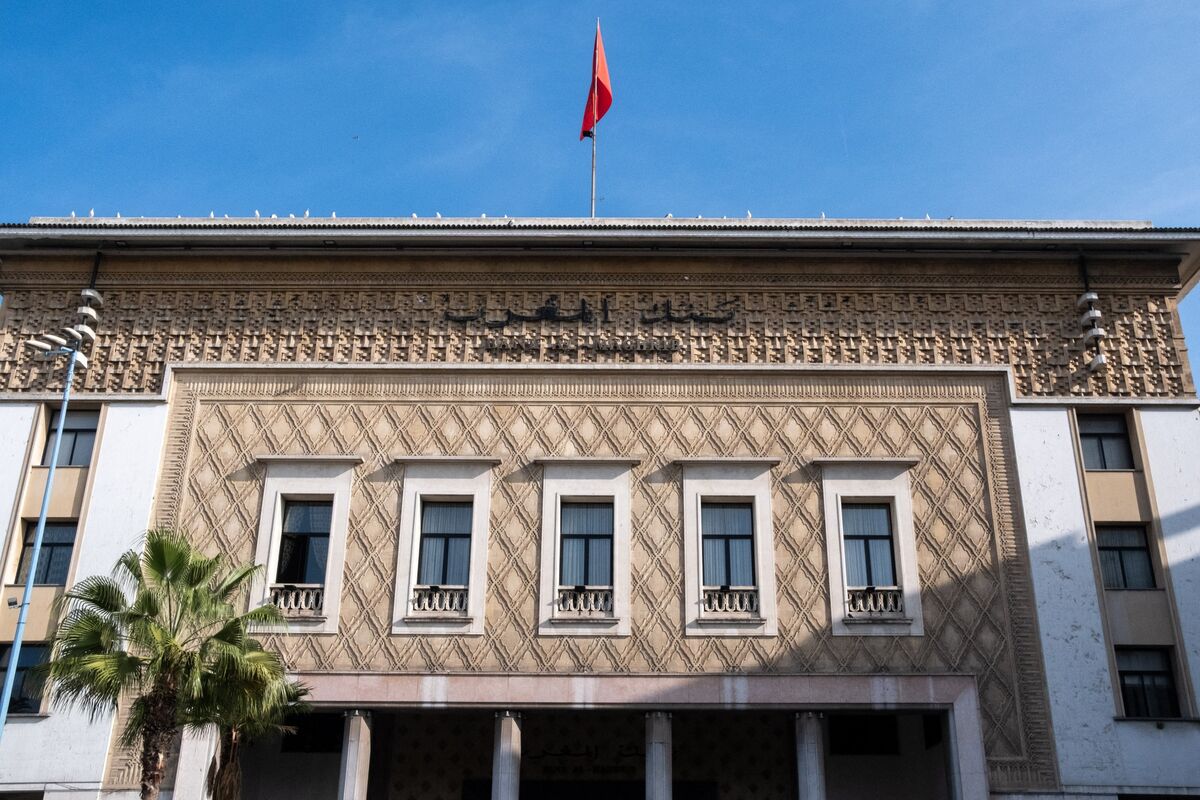
Morocco's central bank, Bank al-Maghrib, maintained its benchmark interest rate at 2.25% for a second consecutive quarter, extending a pause initiated in June. This decision reflects a continued vigilance against inflationary risks, particularly amid simmering geopolitical tensions in the broader Middle East, signaling a cautious monetary policy stance.
Bank al-Maghrib, Morocco's central bank, has maintained its benchmark interest rate at 2.25%, marking the second consecutive quarter of unchanged policy. This decision extends a pause that began in June and signals a continued cautious monetary stance. The central bank's rationale is directly linked to vigilance against potential inflationary pressures, a concern that is amplified by simmering geopolitical tensions in the broader Middle East. By holding the rate steady, the bank is adopting a wait-and-see approach, prioritizing stability and monitoring external risks that could disrupt the domestic inflation outlook before committing to a new policy direction.
AI-powered research, real-time alerts, and portfolio analytics for institutional investors.
Request DemoOverall Sentiment
neutral
Sentiment Score
0.00
