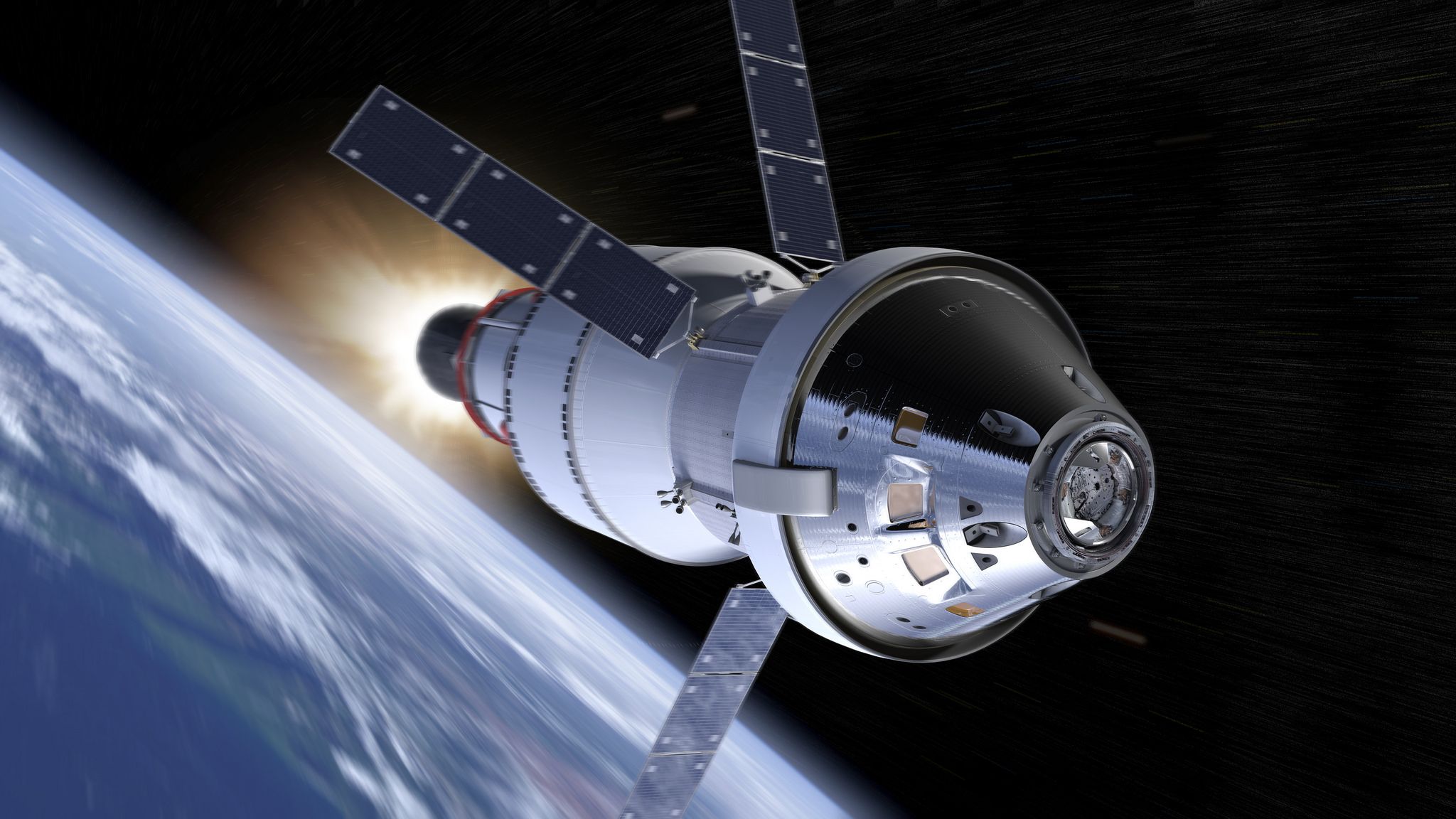
A concentrated slate of high-profile space missions in 2026 — including NASA's crewed Artemis 2 lunar flyby (launch window from Feb. 5, 2026), SpaceX orbital/refueling milestones for Starship, Blue Origin's MK1 lunar lander demo, Boeing's uncrewed Starliner-1 to the ISS (no earlier than April 2026), Rocket Lab's Neutron debut (mid-2026), Vast's Haven-1 commercial station (May 2026), Tianwen-2 asteroid arrival (July 2026) and major telescope launches (China's Xuntian, NASA's Roman) — creates multiple near-term operational catalysts and execution risks for both public and private aerospace actors. For investors, key actionable exposures include Boeing (certification and safety risk), Rocket Lab and Sierra Space (launch/vehicle commercialization milestones), and broader aerospace supply chains; SpaceX and Blue Origin developments remain strategic but largely private and therefore more speculative as market-moving events.
Market structure: 2026’s mission slate accelerates a two-tier market — large primes and launch incumbents with diversified government/defense contracts (BA, LMT, RTX) will capture stable, high-margin infrastructure spending, while pure-play launch providers face a pricing war if Starship achieves routine payload costs below $1k/kg. Success by SpaceX on orbital Starship/refueling compresses commercial launch pricing by an estimated 20–50% over 2–3 years; conversely, failures or regulatory halts create a near-term capacity squeeze that benefits Rocket Lab (RKLB) and providers with proven reusability. Commodity impacts are second-order (modest cyclical uplift in specialty aluminum/titanium demand, <2–4% incremental), while sovereign mission wins will support credit profiles of primes and tighten spreads on high-grade aerospace debt.
Risk assessment: Key tail risks include a catastrophic high-visibility failure (Artemis 2/Starship) triggering regulatory tightening and insurance repricing, and geopolitical/tech-export restrictions after Chinese mission successes. Time buckets matter: immediate event windows are Feb–Apr 2026 (Artemis 2, Starliner-1), mid-2026 (Neutron, Haven-1), and late-2026 (Roman, Xuntian); market reactions will be episodic and binary. Hidden dependencies: NASA/DoD budget timing, insurance capacity, and SpaceX’s near-monopoly on crewed ISS access — each can amplify moves.
Trade implications: Primary direct play is selective long RKLB into Neutron debut (mid-2026) sized 1–3% with a defined downside hedge; tactically hedge BA exposure into Starliner-1 (buy short-dated puts equal to 0.5–1% portfolio). Pair trade: go long LMT (1–2%) vs short BA (0.5–1%) over 6–12 months to capture relative operational resilience. Use event options: buy 60-day straddles on RKLB starting 30 days before Neutron launch or Jul-2026 25–35% OTM calls as a lower-cost asymmetric upside.
Contrarian angles: Consensus assumes rapid Starship dominance; that underprices execution risk — a failed or delayed Starship materially raises pricing power for niche competitors and primes for 12–24 months. Look for mispricings: RKLB equity (and mid-cap suppliers) may be underowned if Starship setbacks occur; conversely BA’s share reaction to incremental Starliner delays is likely overdone short-term and sets up a mean-reversion trade post successful uncrewed validation. Historically, aerospace cycles favor consolidation after capacity shocks — favor high-quality primes into any drawdowns.
AI-powered research, real-time alerts, and portfolio analytics for institutional investors.
Request DemoOverall Sentiment
mildly positive
Sentiment Score
0.35
Ticker Sentiment
