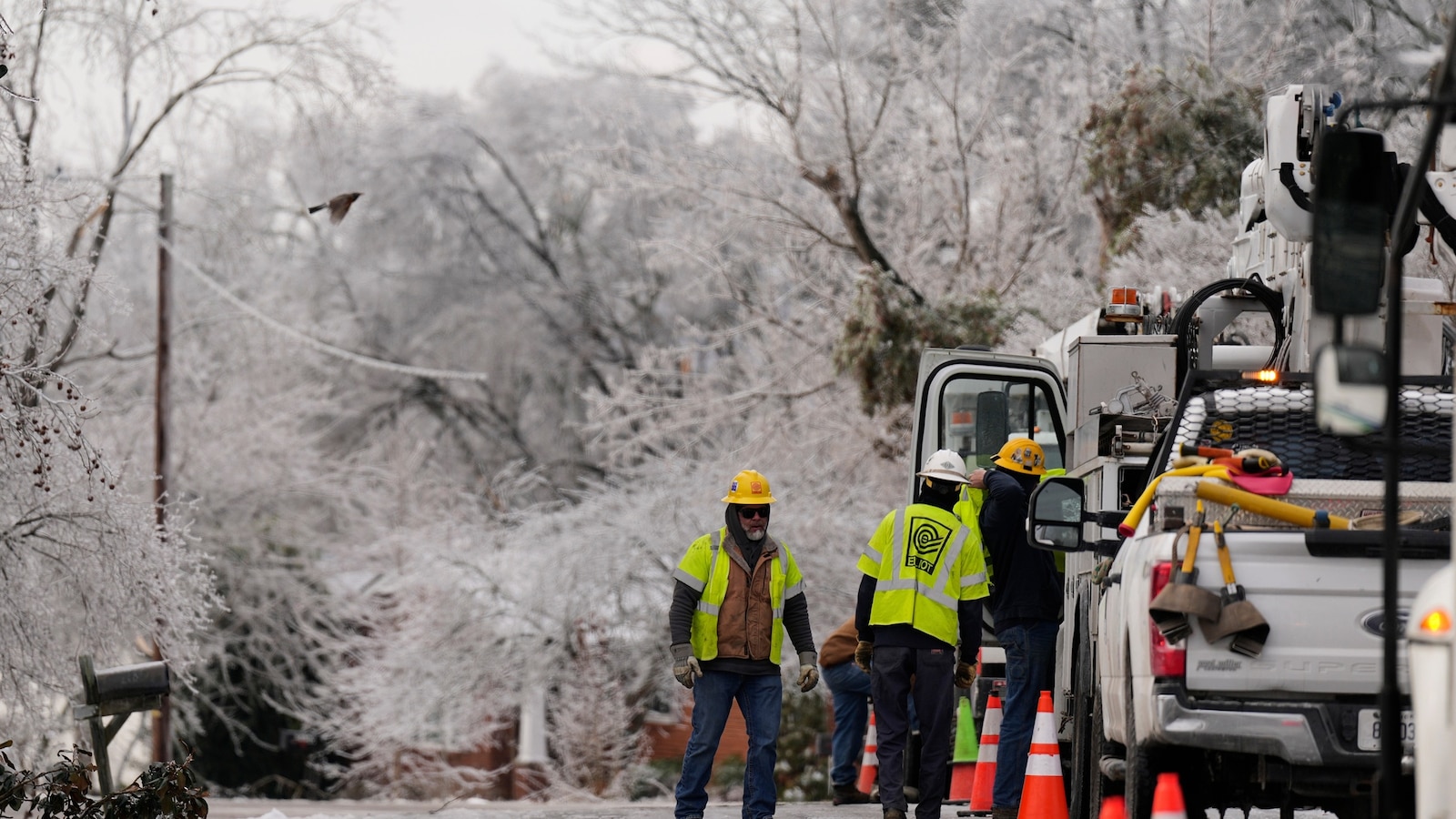
A severe winter storm and follow-on arctic blast have resulted in at least 85 deaths across multiple U.S. states and widespread infrastructure impacts from Texas to Tennessee. Mississippi reported 14 storm-related deaths and over 95,000 customers without power, Tennessee confirmed 13 fatalities and roughly 93,000 outages, Louisiana reported a ninth death tied to hypothermia, New York City found at least 10 people dead outdoors, and Texas recorded multiple fatalities; a potential nor'easter/blizzard threatening the Southeast could prolong outages, impede transportation and hamper regional economic activity and energy demand.
Market structure: acute cold outages materially boost short-term demand for heating fuels (spot natural gas, propane) and portable/home generator sales while hitting regional electric utilities’ operational performance and transportation/logistics revenues. Expect natural gas spot spikes of 15–40% within 1–4 weeks in severe, multi-week cold snaps; generator OEMs (GNRC) and HVAC suppliers (LII, CARR) gain durable order flow over 3–12 months. Insurers face elevated claims but payout timing is staggered, pressuring earnings over next 1–3 quarters rather than instantly collapsing balance sheets.
Risk assessment: tail risks include regulatory probes and penalties for utilities (state-level investigations within 30–90 days), broader grid reform mandates (capital spend increasing 5–15% annually for some IOUs over 2–5 years), and supply-chain constraints for generators/HVAC that could push prices +10–25%. Immediate (days) risks: further grid failures and price dislocations; short-term (weeks–months): margin pressure for utilities and logistics; long-term (quarters–years): reallocation to grid hardening and electrification spending.
Trade implications: prioritize short-duration commodity exposure to natural gas (directional) and buy equities tied to emergency demand (GNRC, LII) while hedging regulated-utility regulatory risk (SO, ETR) via puts. Options implied volatility will rise in NG and GNRC—use calendar or call-spread structures to limit premium decay. Reduce exposure to regional transport/logistics names that rely on southeastern lanes for the next 4–8 weeks.
Contrarian angles: consensus underprices regulatory upside for grid-modernization vendors and overprices persistent insurance losses; if state regulators announce accelerated capital programs, equipment suppliers could outperform expectations by 20–50% over 12–24 months. Conversely, if forecasts flip to milder weather within 7–14 days, short-duration NG and generator trades require strict stop-loss discipline to avoid mean-reversion losses.
AI-powered research, real-time alerts, and portfolio analytics for institutional investors.
Request DemoOverall Sentiment
moderately negative
Sentiment Score
-0.45
