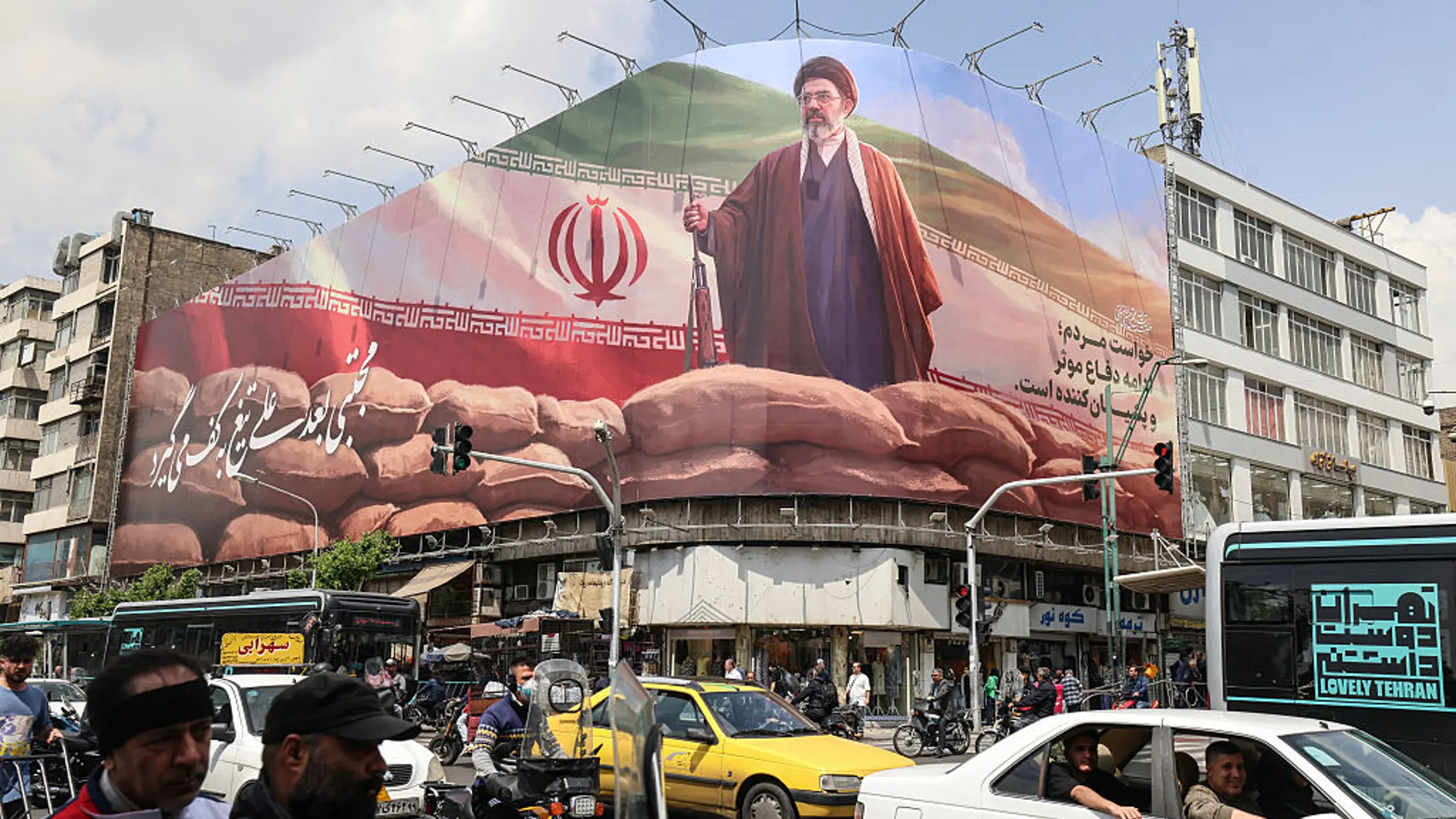
Iran briefly signaled the Strait of Hormuz would reopen to commercial shipping on Apr. 17, then reversed course after declaring the strait closed again amid continued U.S. naval blockade pressure. The article argues this reflects tighter security-centric control in Tehran and rising domestic pressure from hardline ideological factions, not a simple civilian-military split. The key market implication is heightened geopolitical risk for global energy and shipping flows through a critical chokepoint.
The key market signal is not a clean Iran rift; it is that Tehran’s decision-making is becoming more securitized while public flexibility is increasingly constrained by its own domestic base. That raises the odds of sharp, non-linear policy swings around chokepoints like Hormuz: not a durable closure premium, but recurring headline-risk spikes that can widen tanker insurance, freight, and energy volatility for days to weeks. The second-order effect is that even partial de-escalation may fail to compress risk premia quickly because the market now has to price the probability of public reversals forced by internal hardliners.
For energy, the more relevant trade is not outright direction but the volatility regime. A cleaner read is higher implied volatility in crude, product cracks, and shipping names, with upside convexity in any renewed Strait disruption but a low-confidence base case for sustained supply loss unless the situation escalates over multiple weeks. The market tends to overreact to the first headline and underprice the probability of repeated reversals, which favors owning optionality over spot exposure.
The contrarian miss is that coercive diplomacy can backfire by making Tehran less able to offer face-saving concessions, extending the period of elevated uncertainty even if actual flow disruptions remain limited. That is bearish for emerging-market risk assets and import-sensitive sectors, but the effect should be uneven: companies with flexible sourcing, low inventory duration, or pricing power can digest it; long-duration transportation and industrials cannot. The more durable winner is the volatility complex, not necessarily the directional energy beta.
AI-powered research, real-time alerts, and portfolio analytics for institutional investors.
Request TrialOverall Sentiment
moderately negative
Sentiment Score
-0.35
