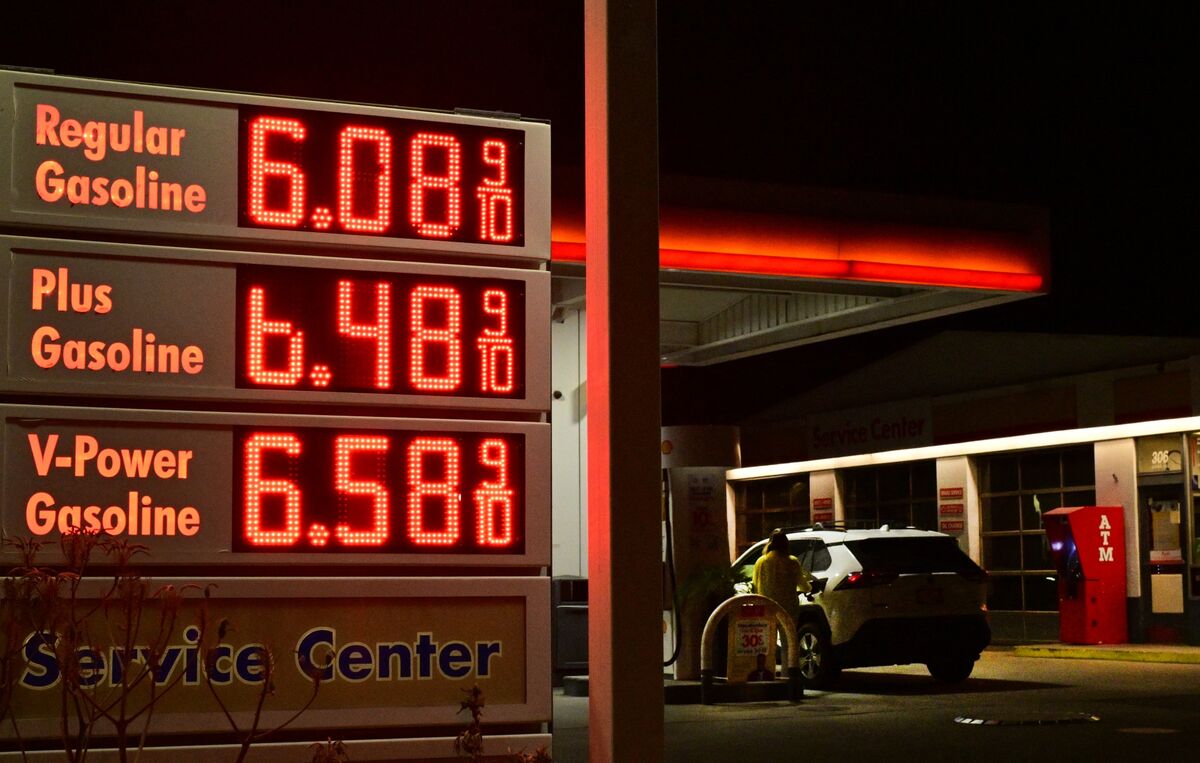
A few weeks of war with Iran are already reshaping the global economy and prompting Wall Street downgrades to the US outlook for 2026, with costs to American households and businesses expected to persist. Energy-price risk is elevated (including localized issues like oil theft in Texas), adding inflationary and supply-chain pressure while consumer strains surface (e.g., Tricolor buyers seeking paused loan payments). Separately, the satellite startup Theia dissolved amid a wave of lawsuits, signaling legal and sector-specific fallout in the space industry.
The immediate macro channel is higher energy risk premia and insurance costs that transmit into US CPI via transport and industrial input prices over the next 1–6 months. Expect shipping P&I surcharges, regional refinery margin volatility, and shorter-term forward curve steepening to add 20–60bps to headline CPI in the near term if geopolitical risk episodes persist; that passes through unevenly across services-heavy vs goods-heavy states and firms.
On consumer finance, even a modest uptick in headline inflation and localized unemployment (energy-exposed refineries, regional dealers) will amplify delinquencies in subprime auto and small-dollar consumer portfolios over 3–12 months. That creates a feedback loop: wider ABS spreads, higher funding costs for captive lenders, and more conservative loss reserves from regional banks — a concentrated P&L hit for lenders with >15% exposure to auto installment balances.
The satellite/legal wave is a structural clearing event: consolidation and higher counterparty/legal risk raise marginal costs for imagery buyers (agtech, insurance, govt) and shorten the supply tail for new entrants. Incumbent imagery and defense contractors are positioned to capture pricing power, while security/monitoring tech and insurance-for-space products become de facto growth areas. A negotiated ceasefire, large SPR release, or rapid US shale re-acceleration would materially unwind premiums within 60–120 days; absent that, expect higher base rates and recurring fiscal/defense spend assumptions for 2026 planning cycles.
AI-powered research, real-time alerts, and portfolio analytics for institutional investors.
Overall Sentiment
mildly negative
Sentiment Score
-0.35
