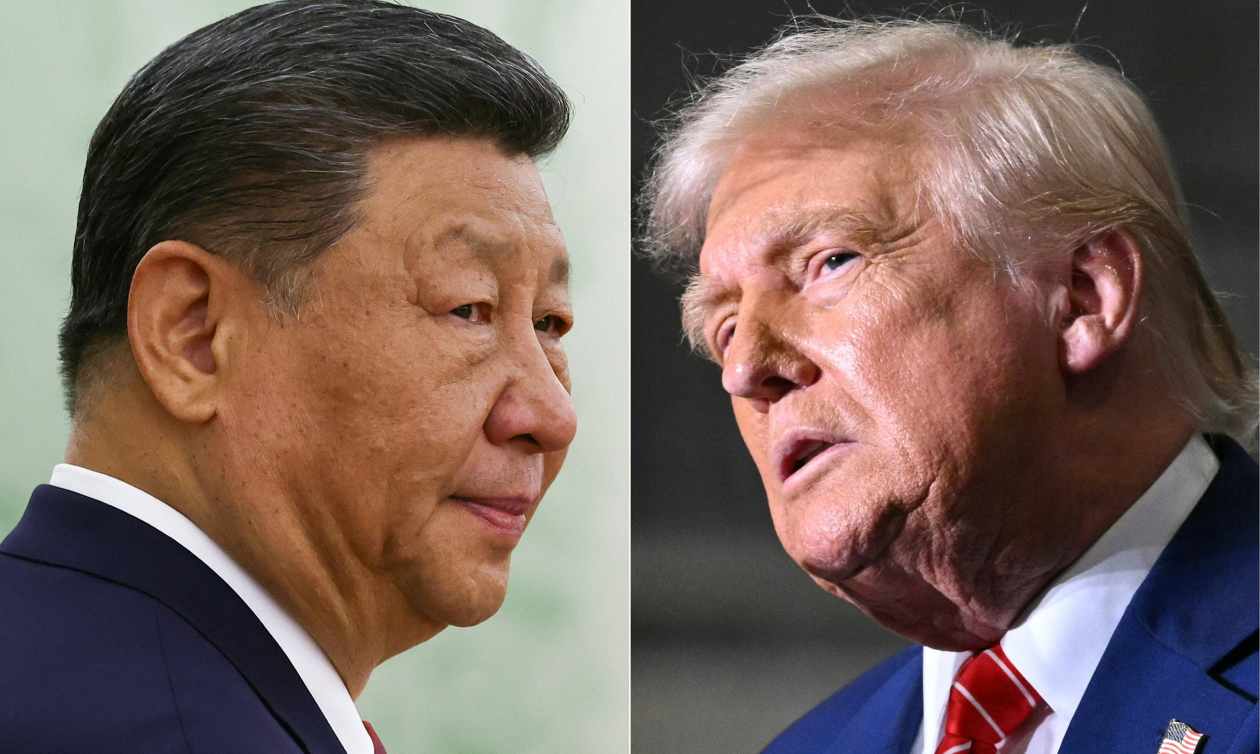
Russia's urgent need to finance its war in Ukraine is compelling discounted oil sales to China and India, who are leveraging Russia's desperation, while also driving Russia to secure new natural gas markets like the 'Power of Siberia 2' pipeline to China amidst European disengagement. This dynamic presents a strategic opportunity for the U.S. to increase liquefied natural gas (LNG) exports to China, potentially reshaping global energy supply dynamics, influencing U.S.-China trade relations, and impacting energy sector investments, particularly given the significant decline in global crude prices since the conflict began.
The global energy market is undergoing a significant realignment driven by Russia's geopolitical isolation and its need to finance the war in Ukraine. Moscow is being forced to sell crude oil at substantial discounts to energy-hungry nations like China and India, who are collectively purchasing approximately 4 million barrels per day and leveraging Russia's weak negotiating position to demand steeper price reductions. This dynamic exists alongside a complex G-7 price-cap policy and U.S. tariff threats. A critical factor for investors is the sharp decline in crude prices since the conflict began, with Brent (BRN00) falling from ~$98 to the upper $60s and WTI (WBS00) from ~$91 to ~$63. This lower price environment is presented as a potential buffer that could allow Western nations to impose a tighter embargo on Russian oil without triggering a severe price shock. In the natural gas sector, Russia faces a strategic crisis as it loses its primary customer, the EU, which aims to phase out Russian gas entirely by 2027 after dropping its reliance from 45% to 19%. This has made the 'Power of Siberia 2' pipeline to China a project of desperation for Russia, though China is deliberately delaying any final agreement on price or timeline, further exploiting Moscow's limited options. This situation creates a strategic opening for the United States to increase its liquefied natural gas (LNG) exports to China, presenting a potential 'deal' that could influence broader U.S.-China trade relations.
AI-powered research, real-time alerts, and portfolio analytics for institutional investors.
Overall Sentiment
mildly positive
Sentiment Score
0.35
Ticker Sentiment
