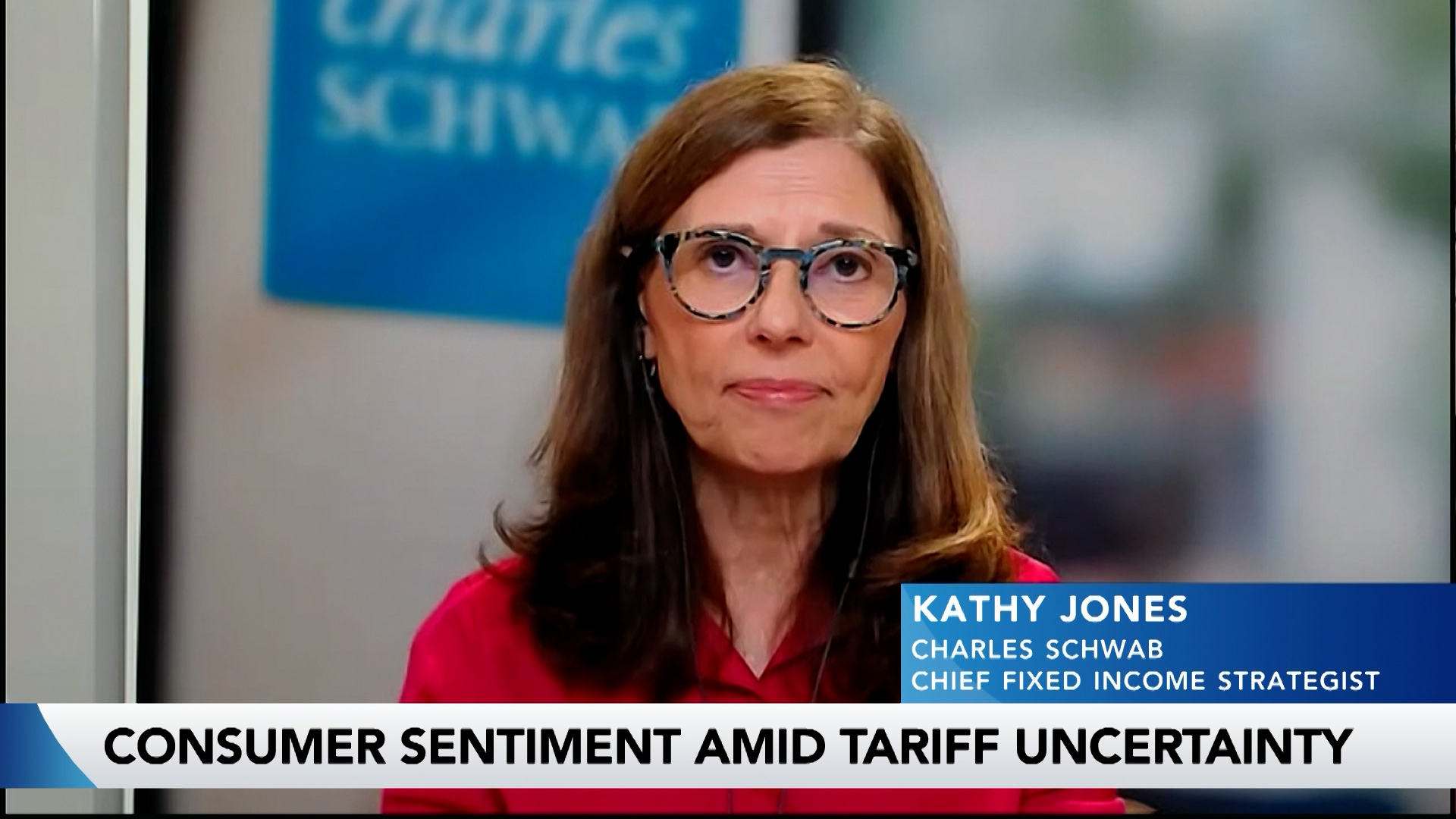
Charles Schwab's Chief Fixed Income Strategist, Kathy Jones, projects the Federal Reserve will initiate interest rate cuts as early as September, a forecast that could significantly influence market expectations for monetary policy easing and asset allocation.
A dovish outlook has been presented by Charles Schwab's Chief Fixed Income Strategist, Kathy Jones, who forecasts the Federal Reserve will begin cutting interest rates as early as September. This specific timeline provides a tangible data point for markets that are closely watching for a pivot towards monetary easing. As a projection from a prominent strategist at a major financial institution, this forecast carries weight and can influence investor sentiment and expectations. The prediction suggests a potential end to the current tightening cycle, with significant implications for asset allocation, particularly within fixed-income markets where falling rates would lead to price appreciation on existing bonds. The signal's mildly positive sentiment and dovish tone underscore the market's general receptiveness to looser monetary conditions.
AI-powered research, real-time alerts, and portfolio analytics for institutional investors.
Request DemoOverall Sentiment
mildly positive
Sentiment Score
0.30
Ticker Sentiment
