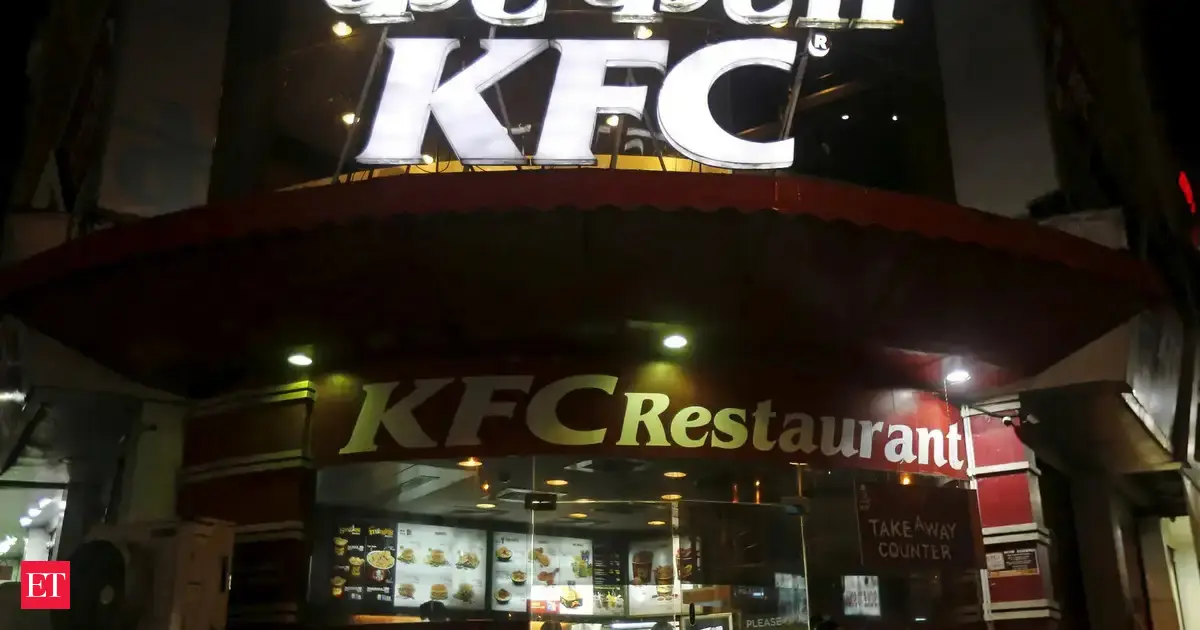
Devyani International and Sapphire Foods have agreed a merger by which Devyani will issue 177 shares for every 100 Sapphire shares, with group company Arctic International acquiring ~18.5% of Sapphire’s paid-up equity (option to assign to a financial investor). The combined group will operate 3,000+ KFC and Pizza Hut outlets across India and overseas, target annual synergies of Rs 210–225 crore from the second full year, and expects regulatory approvals to take 12–15 months. Both companies reported pressure in the September quarter: Devyani posted a net loss of ₹21.9 crore (reversing a small profit) with spending up 14.4% to ₹1,408 crore, while Sapphire posted a consolidated net loss of ₹12.77 crore and saw consolidated total costs rise 10% to Rs 768 crore, underscoring demand and margin challenges even as the deal materially reshapes the Indian QSR competitive landscape.
Market structure: The proposed Devyani–Sapphire merger creates a scaled Yum! franchisee with >3,000 outlets and target synergies of Rs 210–225 crore from year two, accelerating purchasing power and unit economics versus smaller rivals (Jubilant/Westlife). Near term this increases competitive intensity for Pizza (Domino’s) and QSR players in India, but revenue exposure is still modest for US majors; expect 100–300bp potential margin tailwinds for the merged entity once synergies are realized and 6–12 months of integration noise.
Risk assessment: Immediate risk is regulatory and integration slippage—approvals take ~12–15 months and execution risk could erase early synergy guidance; both companies reported QoQ cost inflation (10–14%) and net losses (Devyani -₹21.9cr, Sapphire -₹12.8cr), implying upside is conditional. Tail risks include Competition Commission blocking asset transfers, supplier disruptions (commodity shock to chicken/cheese), or franchise cannibalization—each could produce >30% EPS swing over 12 months.
Trade implications: Short-term, price should reflect near-term margin erosion and approval uncertainty—favor defensive positioning and volatility plays: buy 3–9 month put spreads on directly-exposed Indian QSR names or sell into strength. Strategically, rotating into franchisor/brand owners (YUM) and defensive large-cap operators (MCD) hedges country-specific consolidation risk while capturing secular consumption recovery if urban dine-in rebounds in 6–18 months.
Contrarian view: Consensus assumes merger certainty and fast synergy capture; that looks underpriced relative to 12–15 month regulatory timeline and recent losses. If approvals stall, names rally could reverse sharply; conversely, quick regulatory clearance plus early proof of Rs210–225cr run-rate would be a ~20% re-rating catalyst for the surviving listed vehicle within 6–12 months.
AI-powered research, real-time alerts, and portfolio analytics for institutional investors.
Request DemoOverall Sentiment
mixed
Sentiment Score
0.05
Ticker Sentiment
