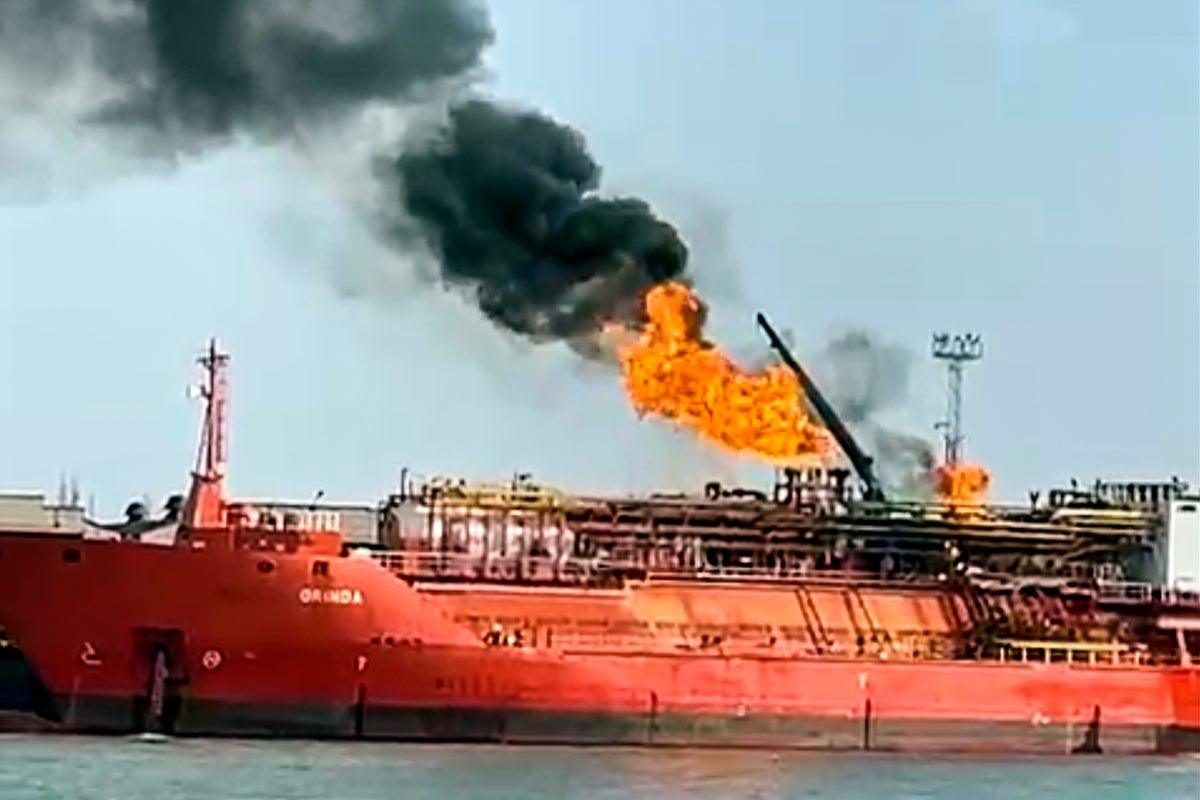
Russia is accused of escalating a hybrid campaign across Europe—blamed for the bombing of the Warsaw–Lublin rail line, an attack on a gas‑loaded tanker near Romania, repeated drone incursions into Polish and Estonian airspace and other sabotage, cyber and propaganda operations—that Western officials say amount to state‑sponsored terrorism and risk drawing NATO into a more kinetic response. A CSIS report cited in the piece attributes at least 70 acts of sabotage to Russia since 2022, with roughly 27% targeting transportation, 27% government, 21% critical infrastructure and 21% industry, predominantly using explosives and incendiaries and including tactics such as cutting rails and severing undersea cables. European leaders warn these operations are expanding the Ukraine war onto NATO's periphery, prompting talks such as France's discussions to supply 100 Rafales and likely greater military backing and defensive measures—developments that raise the prospect of escalated military engagement and heightened geopolitical risk for regional infrastructure and investors.
The article documents an intensification of Russian hybrid operations across NATO's periphery: the Warsaw–Lublin railway was bombed (Poland's security ministry said "everything points to Russian sabotage"), a gas‑loaded tanker was attacked on the Romania border forcing evacuations, and Moscow is blamed for repeated drone incursions including 23 drone penetrations into Poland in September. Polish PM Donald Tusk called the incident "unprecedented" and UK figures such as Tom Tugendhat framed the tanker attack as tantamount to Russia "attacking Nato," indicating official concern about spillover into allied territory.
A CSIS report cited in the piece attributes at least 70 acts of sabotage since 2022, with roughly 27% of attacks against transportation, 27% against government, 21% against critical infrastructure and 21% against industry, and a predominance of explosives and incendiaries; many targets reportedly had links to Western aid to Ukraine. Tactics extend beyond kinetic strikes to cyber attacks and propaganda, broadening the risk set for corporates and governments connected to Ukraine support.
Market signals show strongly negative sentiment (score -0.72) and a market impact score of 0.65, reflecting a risk‑off environment for European assets tied to infrastructure, energy and transport. France's talks to supply 100 Rafale jets (unlikely to close before next year) and stepped‑up EU/UK military backing imply higher demand for defense and persistent geopolitical tail risk that should be priced into sovereign, energy and infrastructure exposures.
AI-powered research, real-time alerts, and portfolio analytics for institutional investors.
Request DemoOverall Sentiment
strongly negative
Sentiment Score
-0.72
