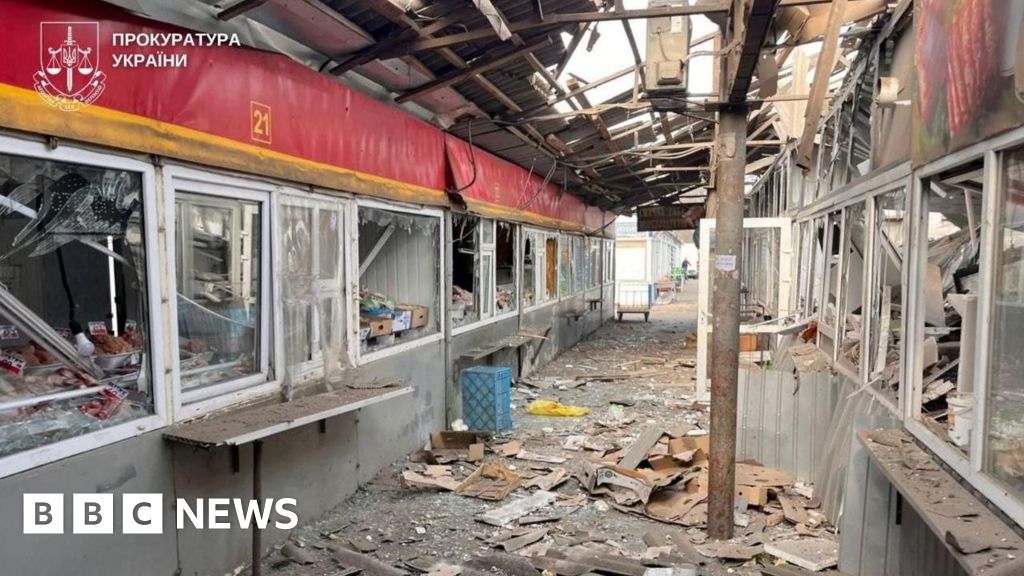
Five people were killed and 21 injured in a Russian drone strike on a busy market in Nikopol; Russia and Ukraine reported large-scale strikes overnight (Ukraine: ~300 drones launched; Moscow: 85 shot down). Ukraine reported production halts at the Alchevsk metallurgical plant and a strike on a synthetic rubber/petrochemical plant in Togliatti; Taganrog was hit with at least one dead and four seriously injured. The incidents represent an intensification of daytime attacks, increasing geopolitical risk and likely sustaining volatility and risk-off positioning in markets, particularly for regional assets and commodity-linked sectors.
The recent pattern of sustained strikes against industrial and logistics nodes is shifting this phase of the conflict from episodic battlefield engagements to attritional disruption of regional supply chains. That changes the buyer set: procurement demand will skew toward interceptors, short-range air defense rounds, ISR/detection systems, and logistics-hardened solutions — not just headline SAM programs — producing steady multi-quarter revenue tails for mid-cap defense and sensor vendors.
Second-order commodity effects will be concentrated and lumpy: damage to petrochemical and metallurgical capacity tightens specific feedstocks (e.g., synthetic-rubber precursors, steel slabs) while pushing buyers to alternative suppliers and incurring re-routing costs that lift freight and insurance premiums for months. Expect volatility in niche input prices rather than a broad commodity shock, creating asymmetric upside for producers with flexible export logistics.
Market positioning is likely to overshoot on headlines into a risk-off swing in EM and regional equities, compressing valuations short-term but creating differentiated entry points for names tied to reconstruction, defense replenishment, and logistics replacement. Key reversal catalysts are diplomatic progress (rapid), large-scale allied stockpile replenishment (weeks–months), or a pronounced domestic production surge in replacement feedstocks (quarters).
AI-powered research, real-time alerts, and portfolio analytics for institutional investors.
Overall Sentiment
strongly negative
Sentiment Score
-0.75
