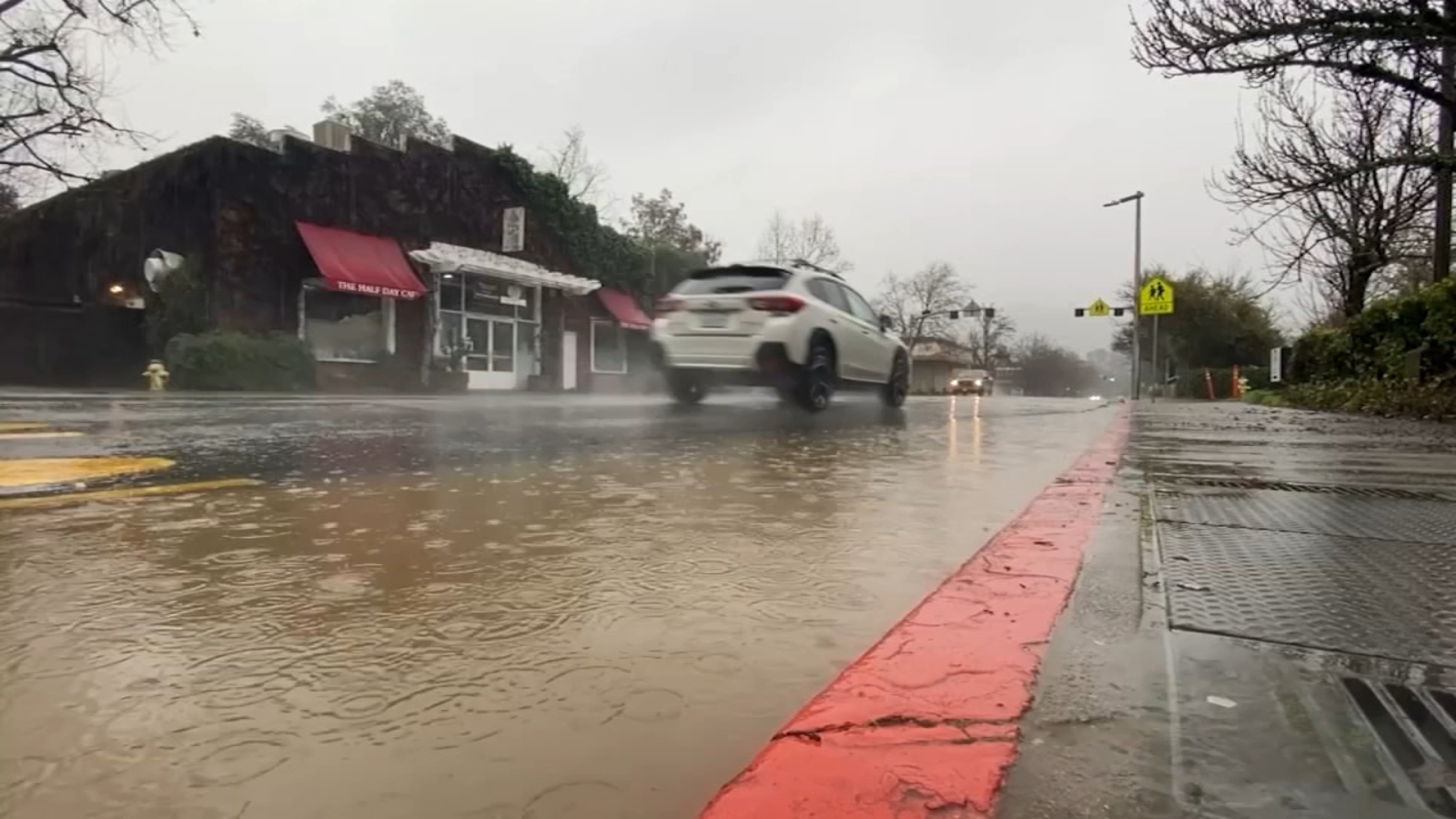
A Flood Watch is in effect for the North Bay from Saturday afternoon through Monday afternoon as an atmospheric river is expected to deliver several inches of rain, with the North Bay receiving the bulk of the precipitation and creeks and rivers likely to rise. Back‑to‑back storms could deliver roughly a month’s worth of rain to San Francisco over a few days, prompting local residents to prepare with sandbags and raising the risk of localized flooding, road closures and property damage. For investors, effects are likely localized — potential near‑term impacts on regional retail foot traffic, municipal infrastructure strain, and incremental insurance claims — but the event is unlikely to move broader markets.
Market structure: Atmospheric-river flooding in the North Bay is a localized demand shock that raises short-term spend on emergency retail (generators, pumps, lumber, sandbags) and depresses mobility/logistics for 48–96 hours. Winners: home-improvement retailers (HD, LOW) and generator makers (GNRC); losers: regional logistics carriers (FDX, UPS) and small commercial/residential REITs with flood-prone assets. Price power is transient — inventory/fulfillment controls 1–3 week realized upside.
Risk assessment: Tail risks include a major infrastructure claim (> $200–500m localized insured loss) that draws reinsurers into the market and raises premiums over quarters, or prolonged supply-chain constraints if bridges/roads close >2 weeks. Immediate window = days (disruptions, sales spike), short-term = weeks–months (claims processing, repair demand), long-term = quarters+ (insurers repricing, capex on flood defenses). Hidden dependencies: municipal emergency budgets, FEMA reimbursements and trucking reroutes amplify second-order demand for construction services and diesel.
Trade implications: Tactical trades favor short-dated demand beneficiaries (HD/LOW) and GNRC call spreads for event-driven skew; short small allocations to regional logistics names (FDX) for operational drag through next two weeks. Cross-asset: mild upward pressure on natural gas and diesel futures for 1–2 weeks; buy short-term duration (BIL/SHV) or cash if operational uncertainty spikes.
Contrarian angles: Consensus overlooks that retail uplift is front-loaded and margin-accretive only if inventory sits in-region; if supply is offshore, upside is muted — HD/LOW can disappoint. Historical parallels (NorCal atmospheric rivers 2017–2019) show initial retailer pops fade in 3–6 weeks while insurers and construction equipment see more persistent gains, suggesting larger risk-reward in GNRC and regional construction services than in broad retail exposure.
AI-powered research, real-time alerts, and portfolio analytics for institutional investors.
Request DemoOverall Sentiment
mildly negative
Sentiment Score
-0.25
