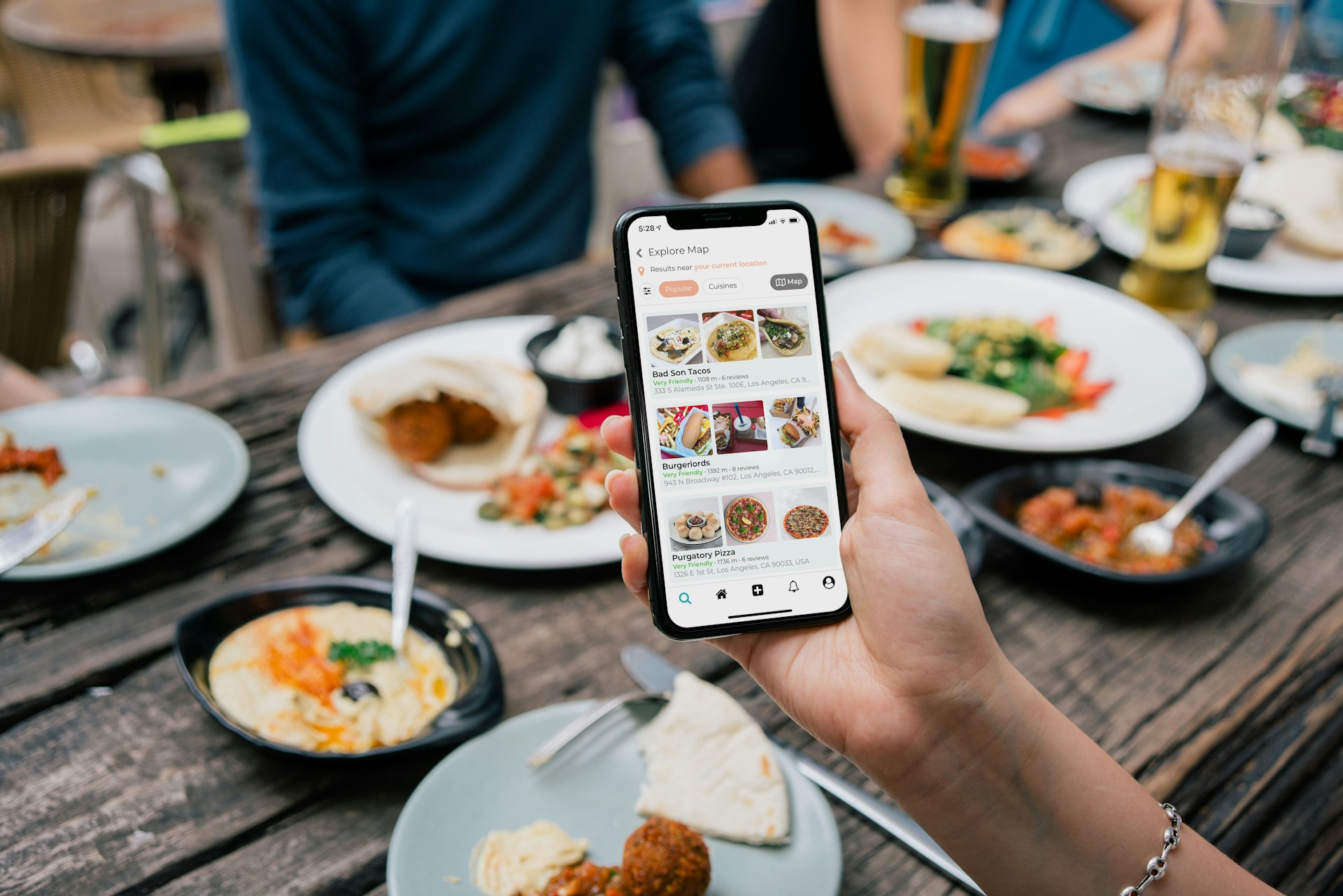
Americans check their phones more than 100 times per day, and a growing number of U.S. restaurants are instituting phone-free policies (from device-lock pouches to incentives like complimentary desserts or discounts) to encourage unplugged dining. Operators report improved guest engagement and sensory experience, and the concept is expected to expand from independents into mainstream chains, signaling a potential shift in consumer demand dynamics within the hospitality and leisure sector.
Upscale, experience-oriented dining and hospitality operators that can credibly sell “presence” as a premium are the obvious beneficiaries — think brands with tasting menus, immersive stays, or tightly curated group experiences. These operators can extract higher check averages and booking premiums without materially increasing variable cost, meaning a modest adoption (5–10% of covers) can add 50–150bps to EBITDA margins in targeted locations over 6–12 months.
A less obvious winner is reservation and CRM infrastructure: firms that enable reservations, curated guest lists, and pre-paid experiential add‑ons capture a larger share of ticket beyond the restaurant itself; that shifts margin from table turns to up-sell economics and sticky customer lifetime value. Conversely, fast-casual and delivery-heavy concepts that rely on mobile engagement for ordering, loyalty, and up-sells see a modestly higher risk to AOV and frequency if a phone-free social norm gains material traction during dine-in hours.
Catalysts that could accelerate adoption are branded “digital detox” packages sold through loyalty channels, small pilot P&L wins disclosed in earnings, or lifestyle partnerships (wellness apps, festivals) within 3–12 months; headwinds include enforcement friction, ADA/privacy pushback, and macro-driven prioritization of price over experience during recessions. Tail risk: regulatory or litigation risk around confiscating devices, and a rapid Gen Z reversal if social sharing returns as a status behavior — both could reverse adoption within quarters.
The consensus frames this as a cultural fad; the contrarian read is that even a 1–2% secular shift in dine-in consumer behavior reallocates ~$1–3bn of annual US restaurant spend into higher-margin experiential formats over 2–4 years, disproportionately favoring publicly listed hospitality platforms that can productize and scale the concept.
AI-powered research, real-time alerts, and portfolio analytics for institutional investors.
Request DemoOverall Sentiment
mildly positive
Sentiment Score
0.25
