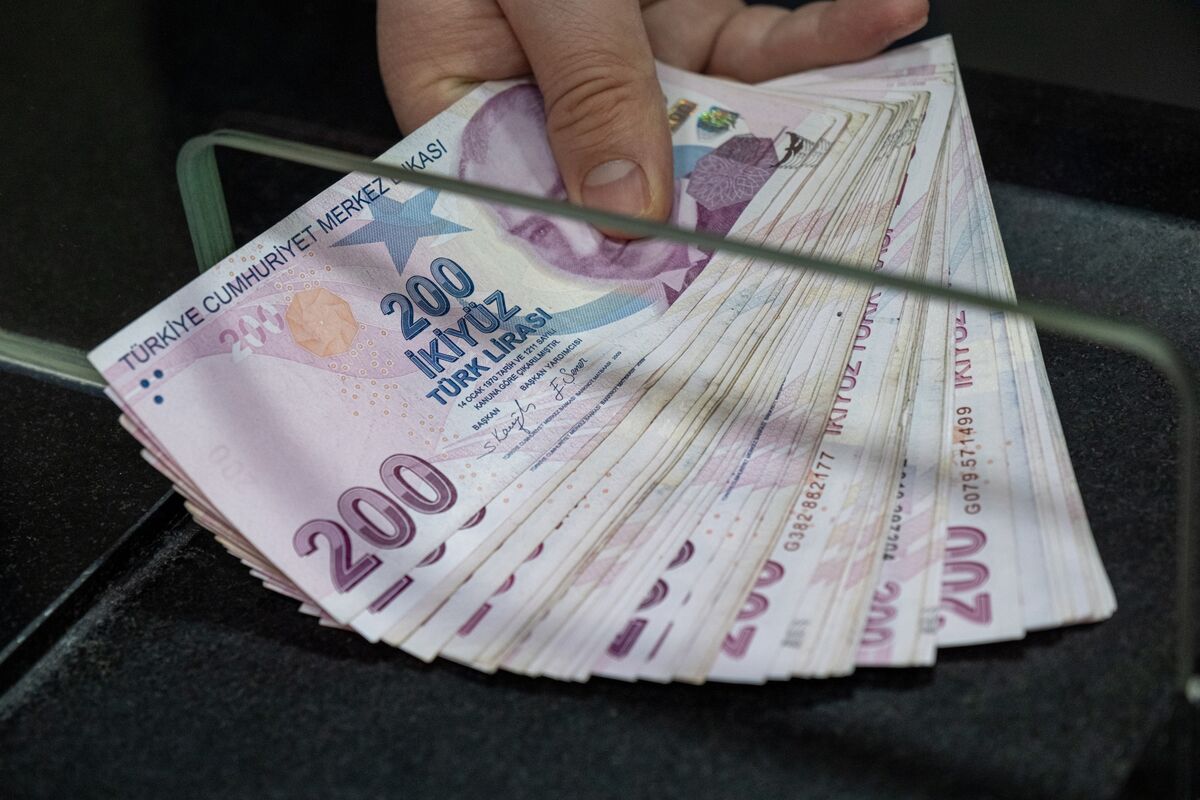
Turkey has increased withholding taxes on lira-denominated deposits and specific mutual funds, raising rates to 17.5% for short-term deposits and certain funds, and to 15% for deposits up to one year. This move, enacted via presidential decree, aims to bolster the national budget and ease the deficit by generating fresh revenue, effectively tightening the state's access to household savings.
Turkey has enacted a fiscal tightening measure by increasing withholding taxes on lira-denominated assets, a move aimed at bolstering state revenues to address the budget deficit. The presidential decree raises the tax on deposits with maturities up to six months from 15% to 17.5%, and on deposits up to one year from 12% to 15%. A similar hike to 17.5% from 15% applies to most mutual fund earnings. This policy directly reduces the net return for domestic savers, potentially disincentivizing lira-denominated cash holdings. Notably, the exclusion of equity-heavy, long-term real estate, and venture capital funds from the tax increase suggests a deliberate government strategy to steer capital away from short-term savings and towards longer-term, potentially higher-risk investments to stimulate specific sectors of the economy. The moderately negative sentiment signal reflects the immediate adverse impact on savers' returns and the underlying fiscal pressure prompting the measure.
AI-powered research, real-time alerts, and portfolio analytics for institutional investors.
Request DemoOverall Sentiment
moderately negative
Sentiment Score
-0.60
