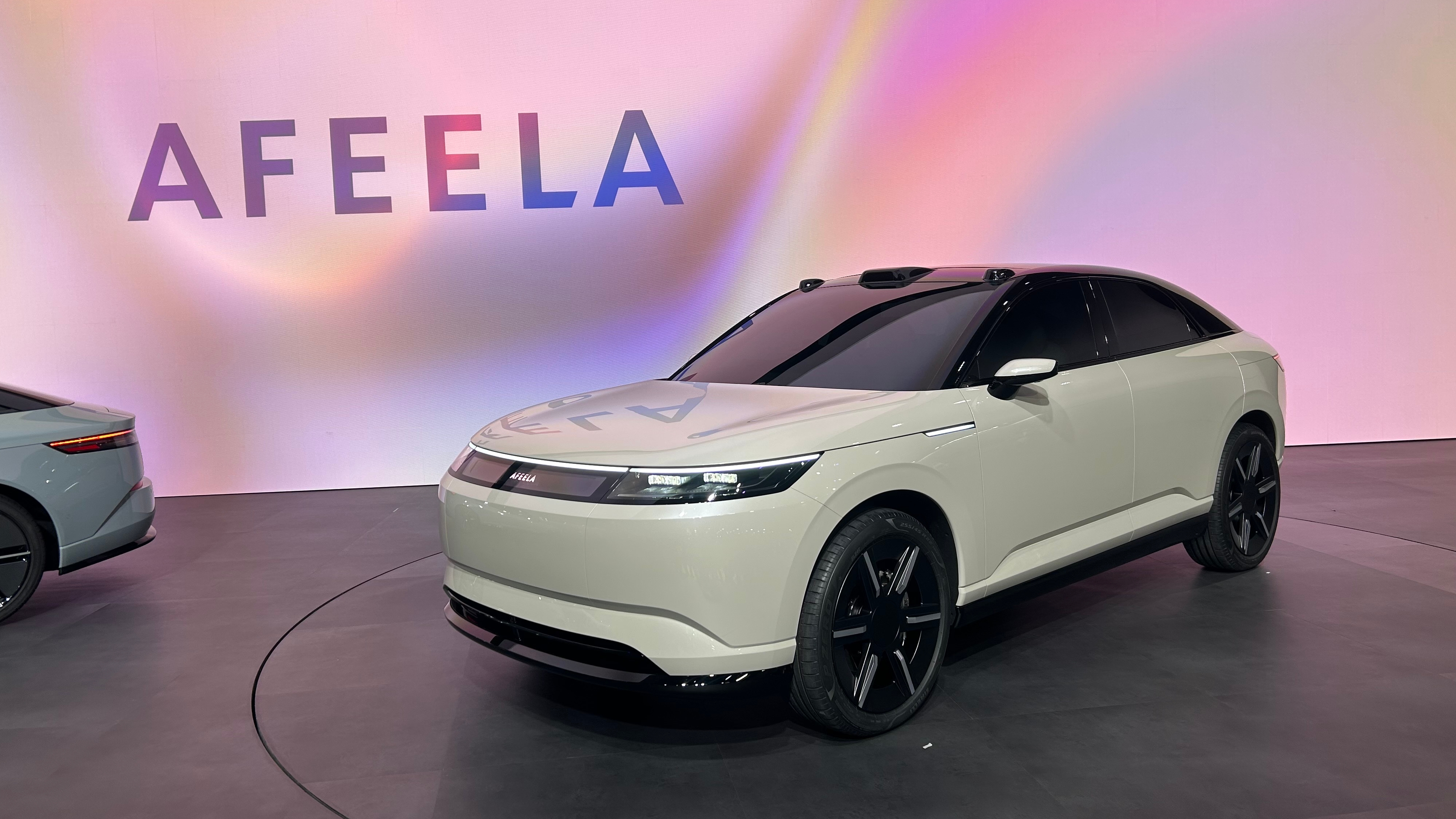
Sony Honda Mobility has canceled the Afeela EV program and is reviewing the joint venture after Honda scaled back EV plans amid high costs and weak demand. The decision signals delayed EV rollouts and reduced near-term volume/capex expectations, likely weighing on Honda and Sony shares and their supplier ecosystem while remaining a sector-specific negative rather than a broad market shock.
This is less a product cancellation than a re-pricing of execution risk in the EV value chain—expect a multi-quarter chill in bespoke spend (engineering, tooling, integration) before any structural decline in EV demand. Tier-1 suppliers and contract manufacturers that carried upfront capital or bespoke inventory for the JV will see revenue lumpiness and margin pressure; knock-on effects to battery order pacing and semiconductor sourcing are likely to depress spot pricing and push inventories higher into the next two quarters.
Strategically, rivals with scalable platform advantages (software-first OEMs and vertically integrated battery players) pick up a non-linear benefit: smaller incremental marketing spend yields outsized share gains while the market sorts out who can convert concept-to-production economically. Conversely, OEMs with high fixed-cost commitments to legacy EV programs face multi-year impairment risk if they cannot shift platforms quickly—this redistributes bargaining power toward flexible suppliers and low-capex software/integration partners over 12–36 months.
Key catalysts to watch: supplier quarterly guides (next 1–2 quarters) for order cancellations and margin revisions, registration/retail data for EVs (monthly), and any JV asset-sale or licensing announcements (3–12 months) that would crystallize write-downs or transfer IP value. A reversal could come from rapid price cuts, new government incentives, or a competitor strategically accelerating volume production—any of which would restore OEM confidence and restart upstream capex within 3–6 months.
Contrarian angle: the headline shock likely overstates permanent demand loss. Consumer EV adoption remains driven by total cost of ownership and regional incentives; program delays shift timing more than terminal volume in most scenarios. That makes short-term supply-chain plays more attractive than binary bets on OEM survivability—the latter will be resolved over years, not weeks.
AI-powered research, real-time alerts, and portfolio analytics for institutional investors.
Request DemoOverall Sentiment
moderately negative
Sentiment Score
-0.65
