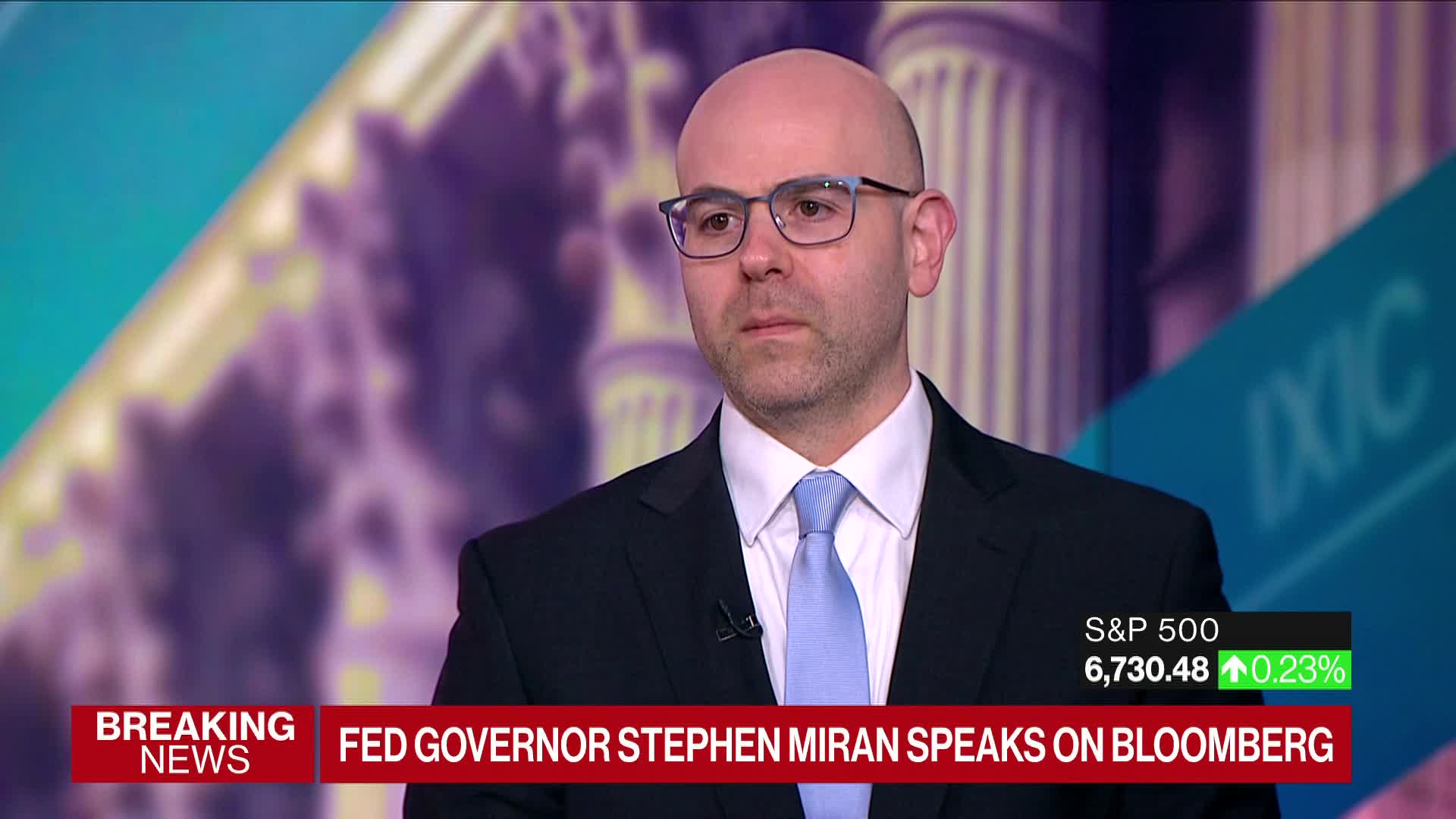
A Federal Reserve official, Miran, indicated a belief that the neutral interest rate is not zero, a stance that suggests the U.S. economy can sustain higher borrowing costs without becoming restrictive. This perspective has significant implications for future monetary policy, potentially signaling a higher baseline for interest rates than previously assumed and influencing market expectations for the Federal Reserve's trajectory.
A Federal Reserve official's statement that the neutral interest rate is not zero introduces a hawkish element into the monetary policy outlook. This perspective suggests the U.S. economy possesses a greater capacity to withstand higher borrowing costs, implying that the current policy rate may be less restrictive than previously thought. Such a view challenges market expectations for a swift pivot to rate cuts and supports a 'higher-for-longer' interest rate scenario. If this view gains traction within the Federal Open Market Committee (FOMC), it could lead to an upward revision of the long-term federal funds rate projection, fundamentally altering the valuation landscape for fixed income and equity markets. The moderately negative sentiment and hawkish tone signal that markets may need to reprice assets to account for a potentially higher baseline for interest rates, increasing volatility, particularly for long-duration assets.
AI-powered research, real-time alerts, and portfolio analytics for institutional investors.
Request DemoOverall Sentiment
moderately negative
Sentiment Score
-0.35
